Iran to Toll Hormuz Strait; Israel Continues Lebanon Strikes
Iran will implement a toll system for the Strait of Hormuz, while Israel continues military actions in southern Lebanon despite a ceasefire extension.
Lauren Collins ·
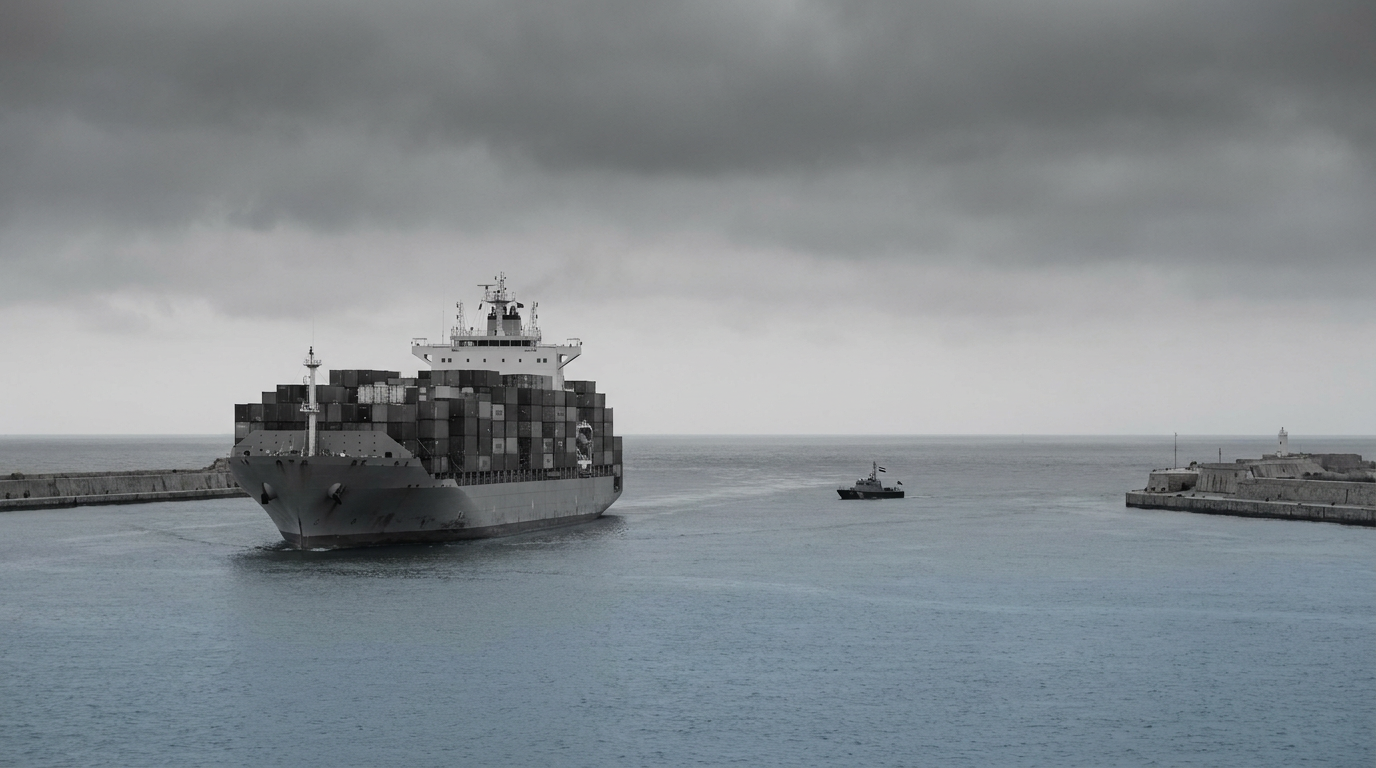
Iran plans to introduce a toll system and traffic management for the Strait of Hormuz. This initiative will restrict passage to commercial vessels and parties cooperating with Iran, with fees collected for specialized services.
Simultaneously, Israel has continued air attacks in southern Lebanon, including Zawtar al-Sharqiyah. This follows an agreement to extend a ceasefire between Israel and Lebanon for an additional 45 days.
One Israeli soldier was killed in combat in
One Israeli soldier was killed in combat in southern Lebanon, bringing total losses to 21 personnel since March 2. Reports indicate European countries are negotiating with Iran's Revolutionary Guard's navy regarding transit through the Strait of Hormuz.
The US military has redirected 78 commercial ships and disabled four vessels during its ongoing blockade of Iranian ports. Pakistan's Interior Minister visited Tehran to facilitate peace talks between Iran and the US.