Tennessee Redistricting Alters Representation
Tennessee's new Republican-approved congressional maps divide Memphis, sparking legal challenges over racial representation and partisan impact.
Lauren Collins ·
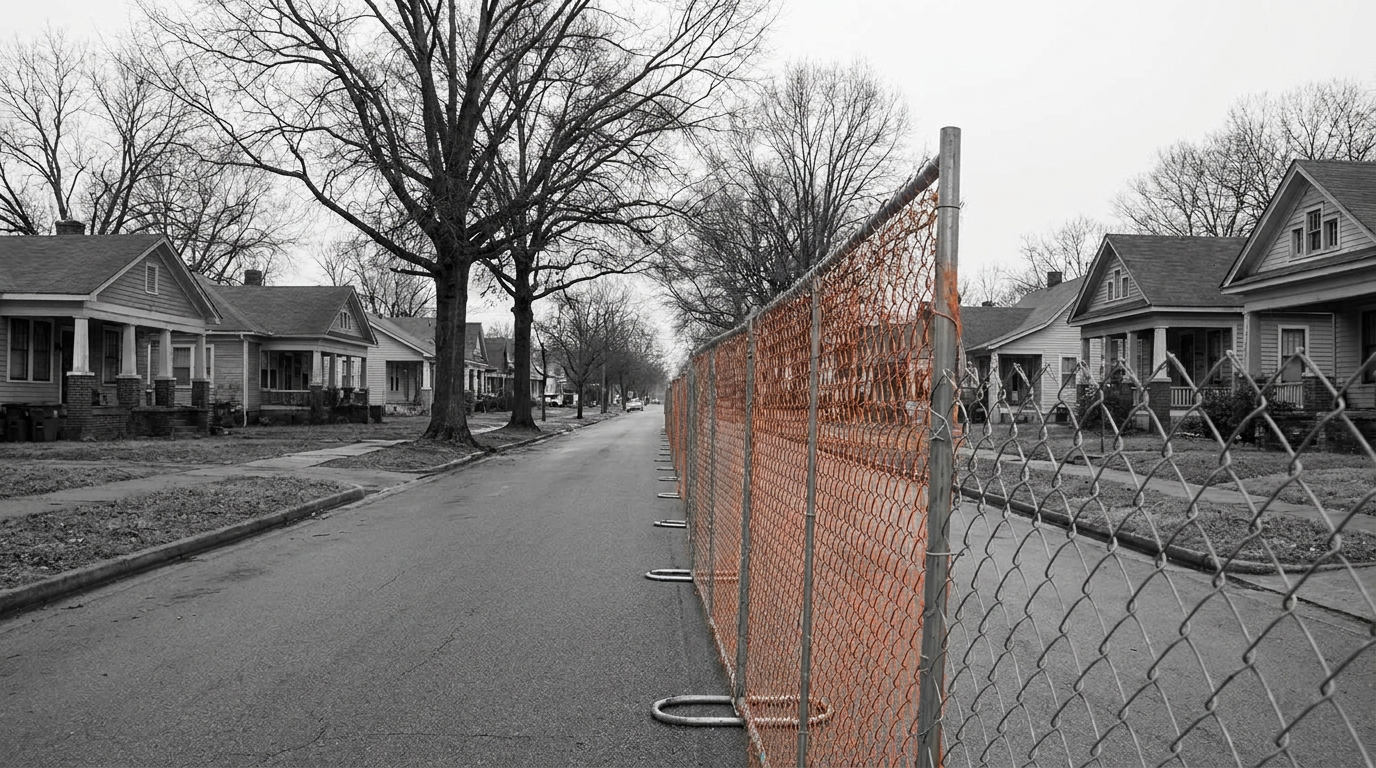
Tennessee Republicans approved new congressional maps last week, altering the representation for residents in Memphis and surrounding areas. The redistricting divides the majority-Black city of Memphis into three congressional seats, which are projected to be held by Republicans. This action follows a Supreme Court decision that weakened aspects of the Voting Rights Act of 1965 concerning racial discrimination. The new maps extend from Memphis into the Nashville suburbs, creating districts that Republicans argue are more representative of the state's overall population by distributing Black voters, who predominantly support Democrats, across multiple districts rather than concentrating them into a single seat. Democrats and voting rights organizations have initiated legal challenges against these changes, citing a history of discriminatory voting practices in the South where racial identity and partisan preferences are closely linked. Both parties acknowledge that the revised maps introduce significant geographic and cultural complexities for voters and candidates within the newly formed 9th Congressional District.