Iran-US ceasefire wobbles after crossfire and Trump warning
Iran and the US exchanged fire, raising doubts over a ceasefire that had been meant to contain a wider regional war.
Mateo Fernandez ·
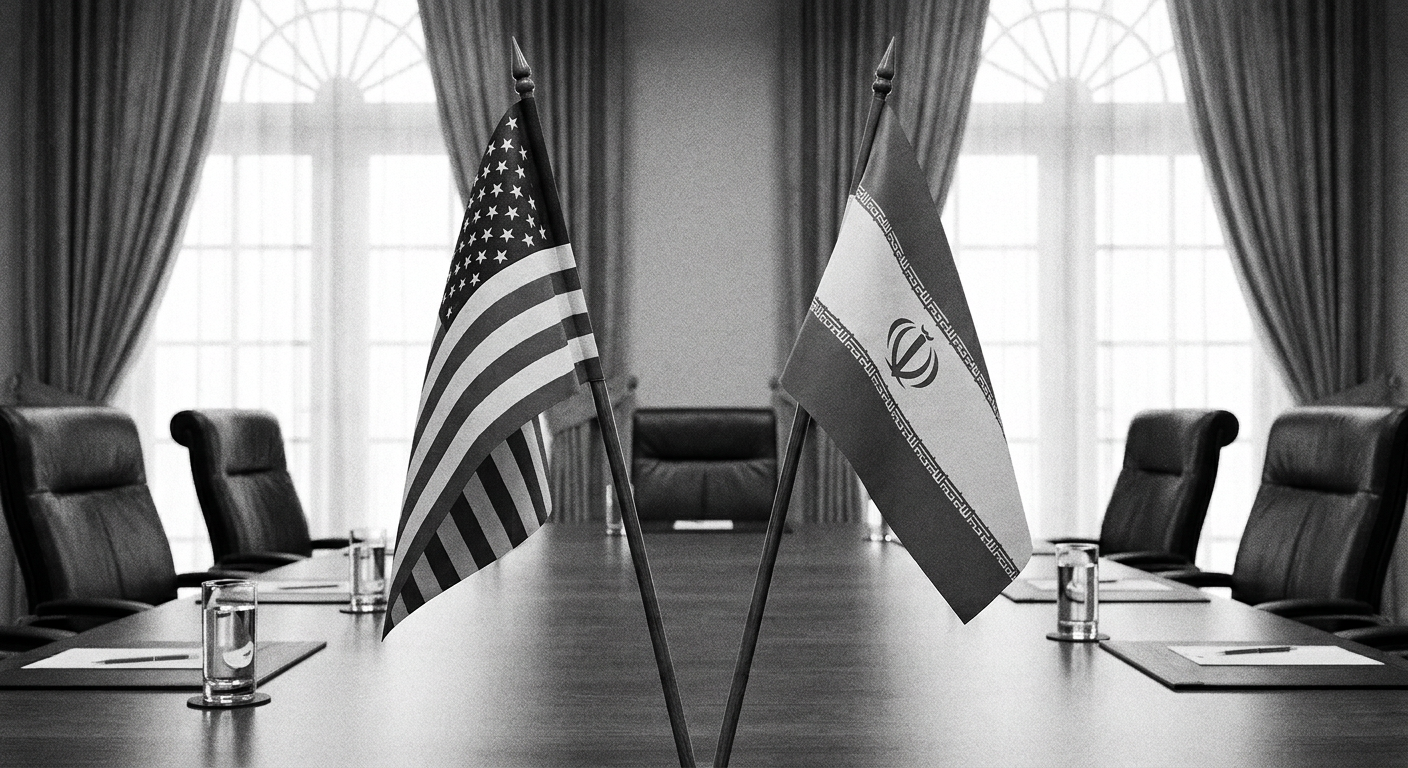
Iran and the United States traded fire, and President Donald Trump called the ceasefire into question on Wednesday, sharpening concern that the conflict could resume after a brief pause. Market reaction was not immediately available, but the axis is geopolitical risk because any renewed fighting could feed through oil, shipping security and haven demand.
Officials said the crossfire raised fears that the war involving Iran could reignite. The central issue is whether the ceasefire is still a binding pause in hostilities or only a temporary lull vulnerable to miscalculation.
Ceasefire credibility drives Iran risk
The immediate risk is escalation by sequence rather than strategy. If one side treats the latest exchange as a violation requiring response, each new strike can narrow the room for diplomatic restraint and make the ceasefire harder to restore.
For global markets, the mechanism is direct: renewed conflict would put attention back on energy supply routes, regional airspace, insurance costs and haven assets. Oil and gold would be the first assets to watch if traders price a higher probability of prolonged confrontation.
For Washington and Tehran, the company-level analogue is policy credibility. Each government has to show domestic audiences it can respond to fire while also avoiding a wider war that would carry military, fiscal and diplomatic costs.
The next test is Wednesday, July 8, 2026: whether both governments can keep fire contained through the next 24 hours and clarify if the ceasefire terms still apply. If restraint holds, markets may treat the exchange as a contained breach; if another round follows, the conflict risk premium is likely to rise across energy and regional assets.