US strikes Iran after tanker attacks
Officials said the action followed attacks on tankers and a Treasury move revoking a licence tied to Iranian oil sales.
Mateo Fernandez ·
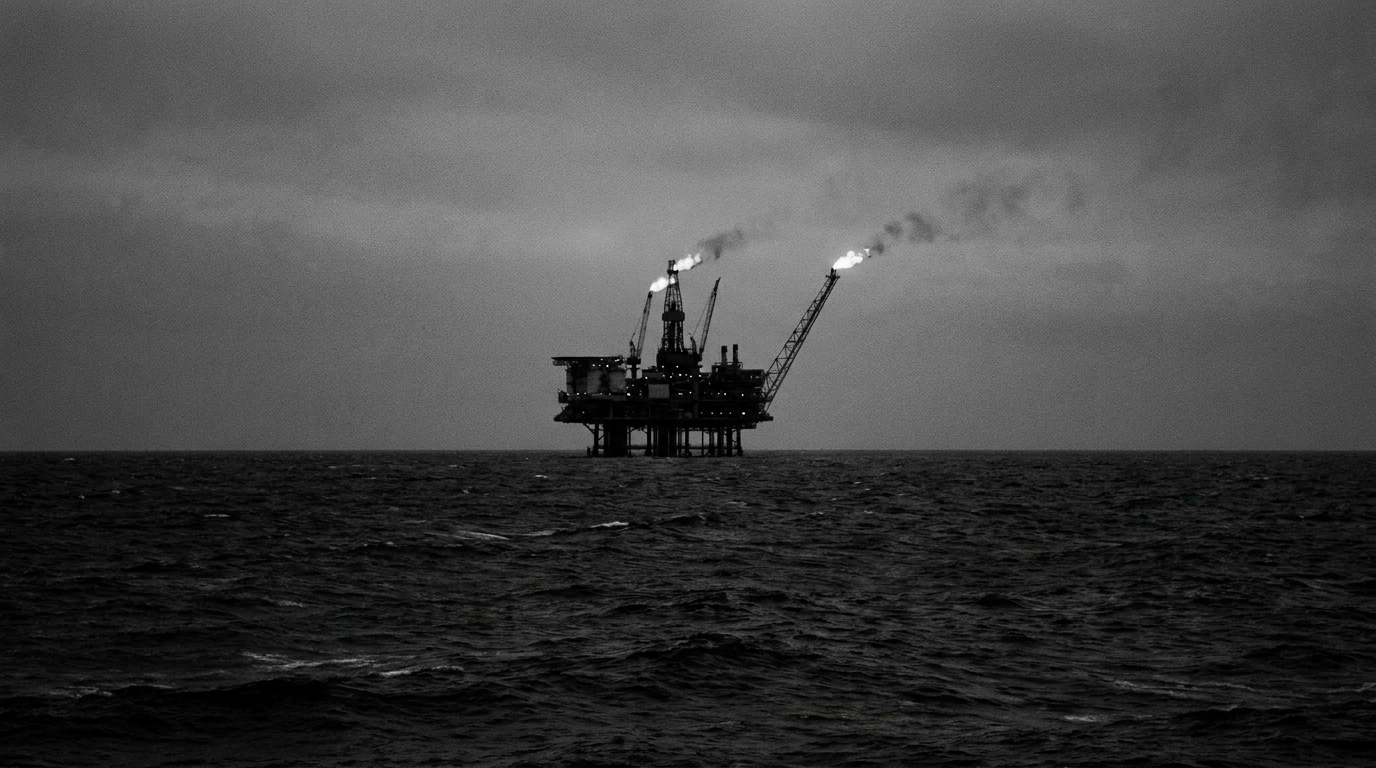
The US struck Iran on Tuesday after attacks on tankers, officials said, marking a direct military escalation in a confrontation already tightened by energy sanctions. Reaction pending.
Officials linked the action to tanker attacks and to Washington’s recent decision to revoke a general licence that had allowed sales of Iranian oil. The sequence puts military pressure and oil-market restrictions on the same track, increasing the risk that shipping, insurance and crude flows become part of the confrontation.
Treasury oil licence raises stakes
The Treasury decision matters because oil sales are central to Iran’s external financing and to the risk premium embedded in energy markets during regional crises. Revoking a licence narrows the legal channel for buyers and intermediaries, while the strike adds a security dimension that can affect freight costs, tanker routing and political calculations among importers.
For global markets, the immediate question is whether the confrontation remains contained or spreads into maritime chokepoints and commercial shipping. If traffic keeps moving and retaliation is limited, the macro effect may stay concentrated in oil-risk pricing and haven demand. If shipping disruption widens, higher crude and insurance costs could feed into inflation expectations and complicate rate-cut timing for major central banks.
For the US, the action raises the need to define the strike’s scope, legal basis and end-state. For energy companies and tanker operators, the next mechanism is practical: routes, port calls, insurance cover and counterparty risk.
Officials are expected to face pressure for further details by July 8, 2026, including the scale of the strike, any damage assessment and whether additional sanctions or military steps are planned.