US Strikes Iran's Kharg Island Military Sites
US forces struck military targets on Iran's Kharg Island, avoiding oil infrastructure, prompting Iranian threats against regional energy facilities.
Lauren Collins ·
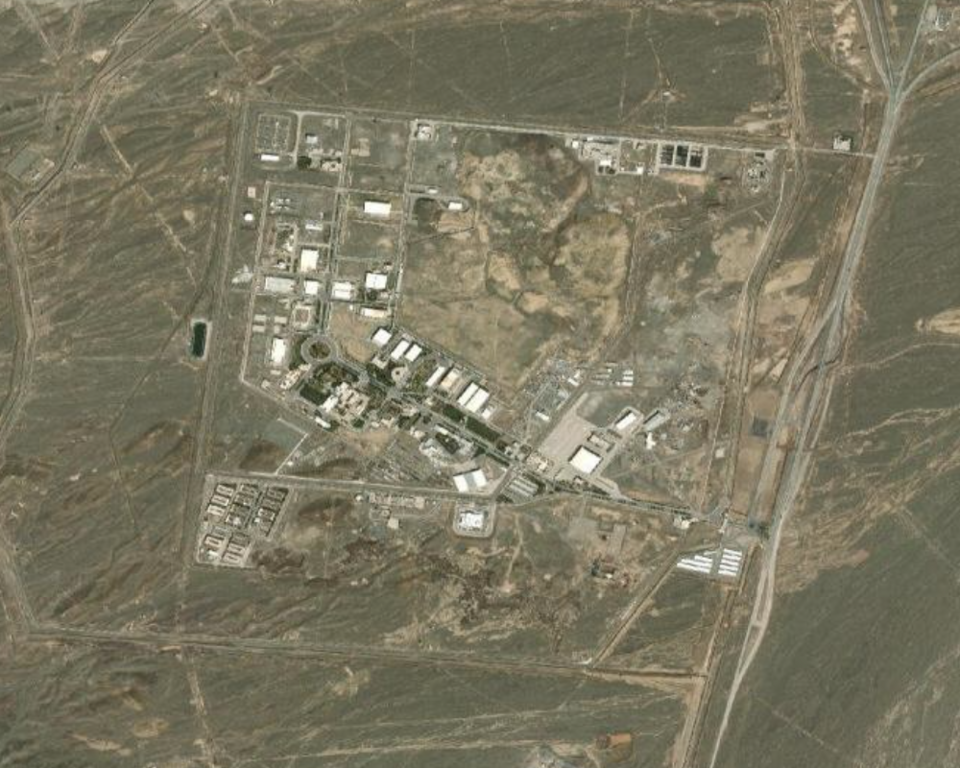
United States forces executed precision strikes against military installations on Iran's Kharg Island on Friday, March 14, 2026. The operation, described as "large-scale" by U.S. Central Command, targeted approximately 90 military objectives, including naval mine storage facilities and missile bunkers. This action has led to warnings from Tehran regarding potential retaliation against regional oil infrastructure.
Kharg Island, situated 15 miles off the Iranian coast in the Persian Gulf, is a vital hub for Iran's crude oil exports, facilitating roughly 90% of the nation's shipments. Despite the extensive military action, U.S. officials confirmed that the island's critical oil infrastructure was deliberately avoided during the strikes. Energy Intelligence, an oil market research firm, corroborated that the oil terminal sustained no damage.
US Strategic Objectives and Iranian Response
U.S. President Donald Trump indicated that while oil facilities were spared in this instance, they could become targets if Iran disrupts shipping lanes, particularly in the Strait of Hormuz. This strategic waterway is crucial for global oil transit, underscoring the geopolitical sensitivity of the region.
Iranian state media, specifically Fars News Agency, reported more than 15 explosions on Kharg Island. Their accounts confirmed hits on air defense systems, a naval base, and an airport control tower, aligning with the U.S. assessment of military targets. However, Fars News also emphasized the absence of damage to oil-related facilities.
Regional Energy Security Concerns
Following the strikes, Iran's armed forces issued a stern warning. They stated that any future attack on Iran's energy infrastructure would provoke a response targeting oil and gas facilities across the broader region, impacting areas where the U.S. and its allies maintain significant interests. This threat highlights the potential for escalation and broader disruption to global energy markets.
Iran's economy is heavily reliant on oil exports, which generated an estimated $53 billion USD in net revenues in 2025. This figure represented approximately 11% of the country's annual Gross Domestic Product (GDP), illustrating the strategic importance of its energy sector to national finances. The deliberate avoidance of oil infrastructure by U.S. forces in this operation suggests a calculated effort to limit economic fallout while demonstrating military capability.
Geopolitical Implications
The incident underscores the ongoing tensions between the United States and Iran, particularly concerning maritime security in the Persian Gulf. The Strait of Hormuz, a narrow chokepoint, remains a flashpoint for potential conflict, with any disruption having immediate global economic repercussions. International observers will closely monitor further developments and diplomatic efforts to de-escalate the situation and prevent broader regional instability.
Implications
Country Impact: The strikes intensify geopolitical tensions between the U.S. and Iran, potentially leading to further retaliatory actions. Iran's economy, heavily reliant on oil, faces increased vulnerability if its energy infrastructure becomes a target.
Industry Impact: The energy sector faces heightened risk of supply disruptions in the Persian Gulf, particularly if the Strait of Hormuz is impacted. Oil prices could see volatility due to increased geopolitical risk premiums.
Market Impact: Global financial markets may react to increased instability in the Middle East, potentially leading to a flight to safe-haven assets. Energy commodity prices, especially crude oil, are likely to experience upward pressure.