Trump Pledges Hormuz Escorts Amid Mideast Tensions
Former U.S. President Trump pledged Strait of Hormuz escorts and hinted at Iran strikes on March 13, 2026, amid rising oil prices.
Lauren Collins ·
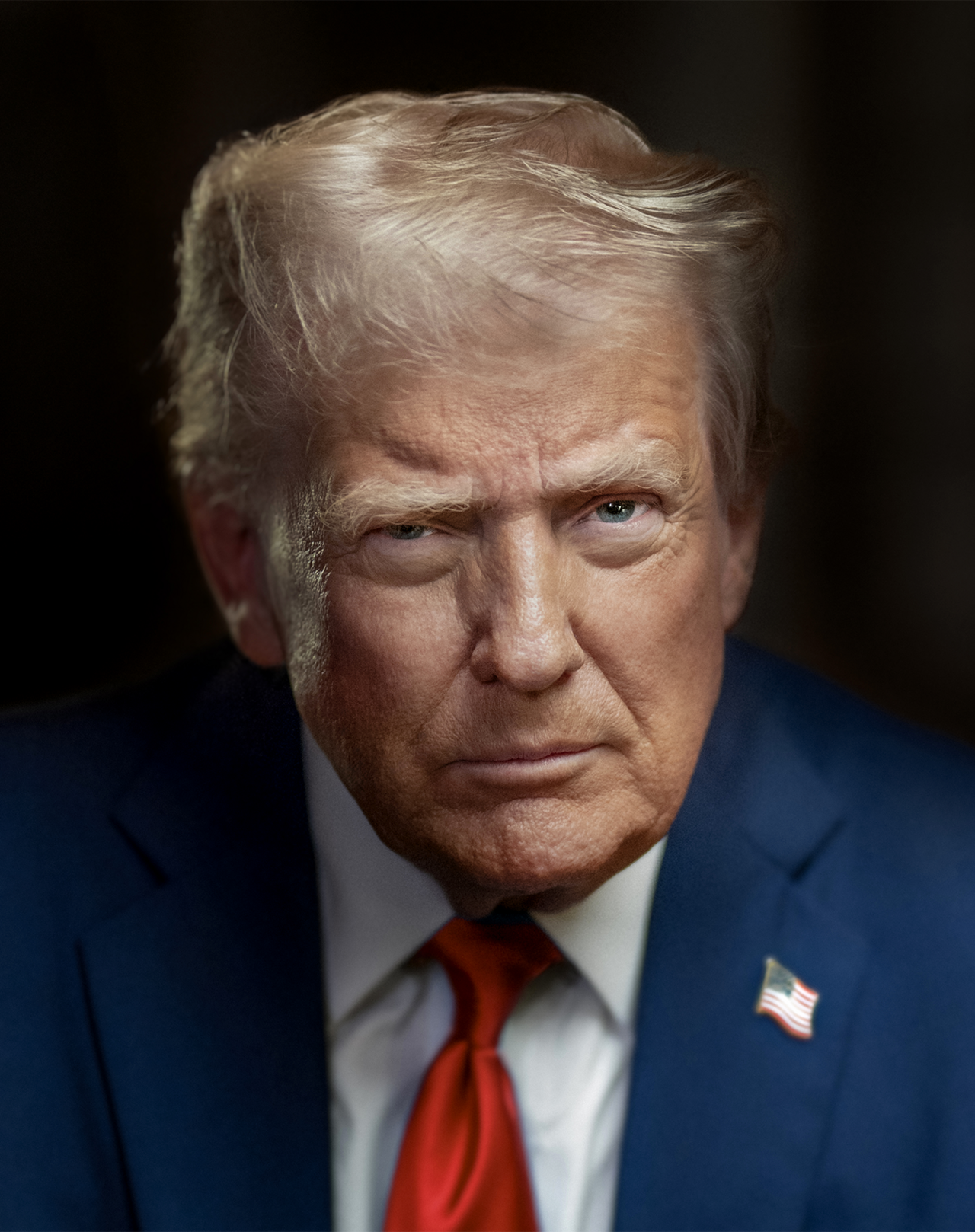
Former U.S. President Donald Trump indicated on Friday, March 13, 2026, that the United States would provide escorts for commercial vessels navigating the Strait of Hormuz. He also suggested potential military action against Iran within the coming week. These statements were made during a televised interview, signaling a possible escalation of American military engagement in the Middle East.
The remarks from the former President coincide with a period of heightened energy market volatility. Crude oil prices approached $100 per barrel on the same day, reflecting concerns over regional stability. The broader context includes the ongoing conflict between the U.S. and Israel, which had reached its fourteenth day at the time of Trump's comments.
Strategic Waterway Concerns
The Strait of Hormuz is a vital maritime chokepoint, essential for a significant portion of global oil shipments. Disruptions in this narrow passage, located between the Persian Gulf and the Gulf of Oman, have historically led to substantial impacts on international energy markets and global trade. The potential for U.S. military escorts underscores the strategic importance of maintaining open shipping lanes in the region.
Geopolitical Context and Energy Markets
Trump's declarations did not include specific operational details regarding the proposed escorts or the nature of any potential strikes against Iran. However, they highlight persistent geopolitical tensions in the Middle East, which frequently influence global oil prices. The region's stability is a key factor for energy security worldwide, given its role as a major oil and gas producer.
Historically, any perceived threat to shipping in the Strait of Hormuz has prompted an immediate reaction in commodity markets. Past incidents involving vessel seizures or attacks have led to sharp increases in crude oil futures, demonstrating the market's sensitivity to regional security developments. The current environment, marked by an active conflict involving a key U.S. ally, amplifies these concerns.
Implications for Regional Stability
The prospect of increased U.S. military presence or action in the Persian Gulf could reshape regional dynamics. Such moves often lead to diplomatic challenges and could potentially draw in other regional and international actors. The statements from a former U.S. President, particularly one with a history of assertive foreign policy, carry significant weight in international discourse and market expectations.
Global powers closely monitor developments in the Strait of Hormuz due to its economic and strategic significance. Any shift in security posture by a major power like the United States is typically met with careful analysis by allies and adversaries alike, influencing defense planning and economic strategies across the globe.
Implications
Country Impact: The U.S. statements suggest a potential increase in military involvement in the Middle East, impacting its diplomatic relations and strategic commitments in the region. Iran's response to such declarations could further complicate regional stability.
Industry Impact: The energy sector, particularly oil and gas, faces heightened volatility due to potential disruptions in the Strait of Hormuz. Shipping and maritime insurance industries would also see increased costs and risks associated with transit through the critical waterway.
Market Impact: Global financial markets, especially commodity markets, are likely to react to perceived threats to oil supply. Increased geopolitical risk could lead to higher crude oil prices and potentially impact investor confidence in regional assets.