Iran warns retaliation after Caspian tanker strike
Iran warns retaliation after a July 28, 2026 Caspian tanker strike it blames on Ukraine, as the US issues a fresh warning and boosts surveillance.
Mateo Fernandez ·
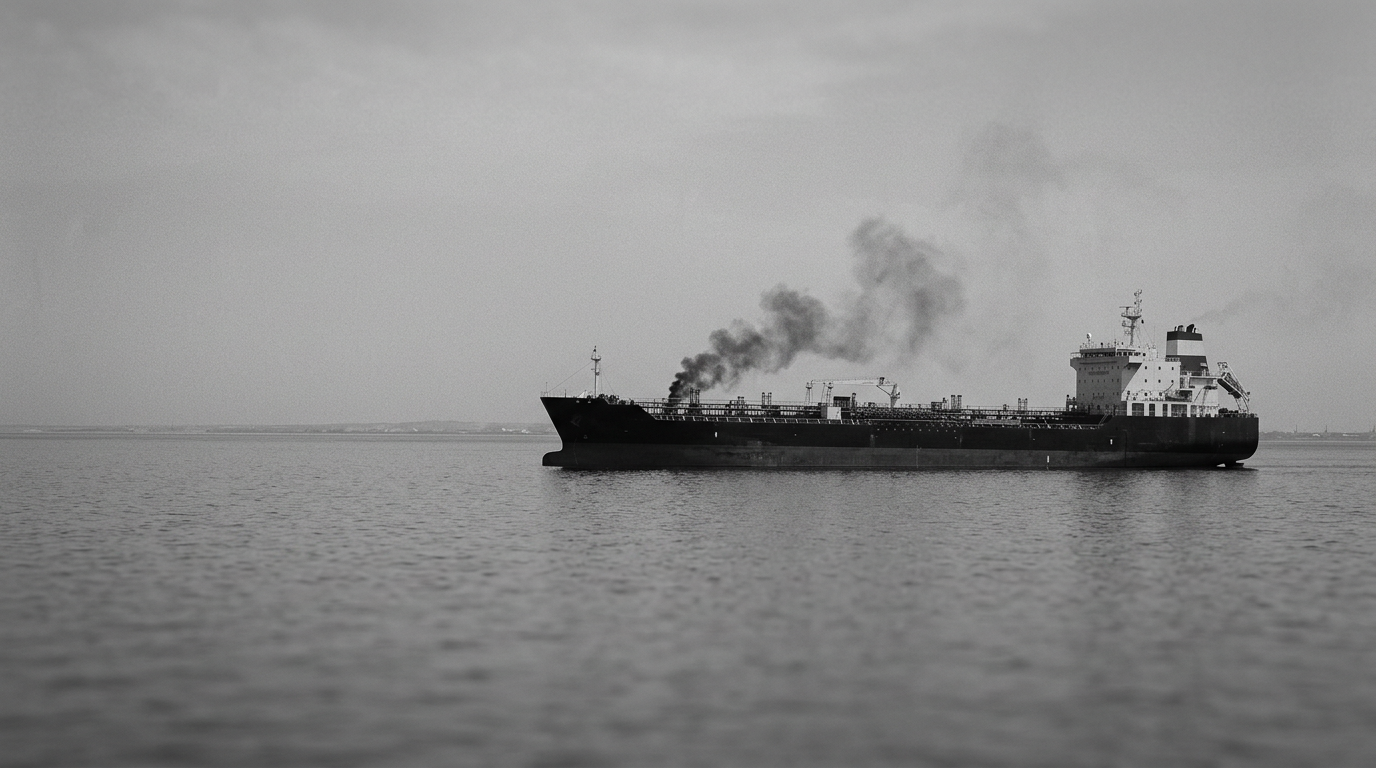
Iran on July 28, 2026 accused Ukraine of launching a missile that struck a tanker in the Caspian Sea, damaging a commercial vessel and triggering fresh warnings of retaliation from Tehran. The allegation has not been independently verified, and no other governments had confirmed the claim at the time of the report.
Iranian officials publicly attributed the incident to a Ukrainian strike and said “measures will follow,” signaling a potential response while details about the damage and responsibility remain unresolved. The tanker’s owner has not released a technical assessment of the impact, leaving key operational and safety questions unanswered.
Tehran’s accusation and the unanswered verification gap
Officials in Tehran framed the tanker damage as a hostile act and coupled the attribution with an explicit warning that Iran would retaliate. The government made its position public, raising the political stakes around what is, so far, an unverified claim.
At the same time, the report noted that third parties had not independently corroborated Iran’s account. With no confirmation from other governments and no technical report from the vessel’s owner, the immediate picture remains incomplete, including the nature of the strike and the extent of damage.
Washington’s warning and security posture in the region
The incident also fed into broader tensions involving the United States. President Trump said the US would resume “strong military action” if negotiations with Iran collapse, a message that officials said increased the risk of a wider confrontation.
US officials said Washington responded with increased surveillance in the region. They added that US military advisers briefed policymakers on contingency options, while also stating that no new large-scale deployments had been announced at the time of the report.
Immediate pressure on shipping, insurance, and risk pricing Officials warned that diplomacy and commerce could face near-term strain as a result of the incident and the rhetoric that followed. Shipping through nearby routes could see higher security-related costs, and insurers may reassess premiums for vessels operating in the Caspian Sea.
The report also pointed to the potential for energy markets to react if threats to regional exports become credible, while noting that direct exposure from Caspian cargoes is limited. The market sensitivity, however, could increase quickly depending on official actions and the perceived likelihood of escalation.
Deadlines by July 30 and the next signals to track Officials set expectations for statements or concrete steps from Tehran or Washington by July 30, 2026, tied to deadlines for diplomatic exchanges and military readiness reviews. In the near term, monitoring official communiqués and any movement of naval assets over the coming 48 hours was flagged as a key indicator of direction.
Until additional confirmations emerge, the central uncertainty remains the attribution of the strike and the extent of damage to the tanker, both of which will shape the pace and intensity of any subsequent measures.