Iran targets US bases in Kuwait after US strikes
Iran reportedly launched missiles and drones at US military facilities in Kuwait on September 3, widening regional confrontation.
Mateo Fernandez ·
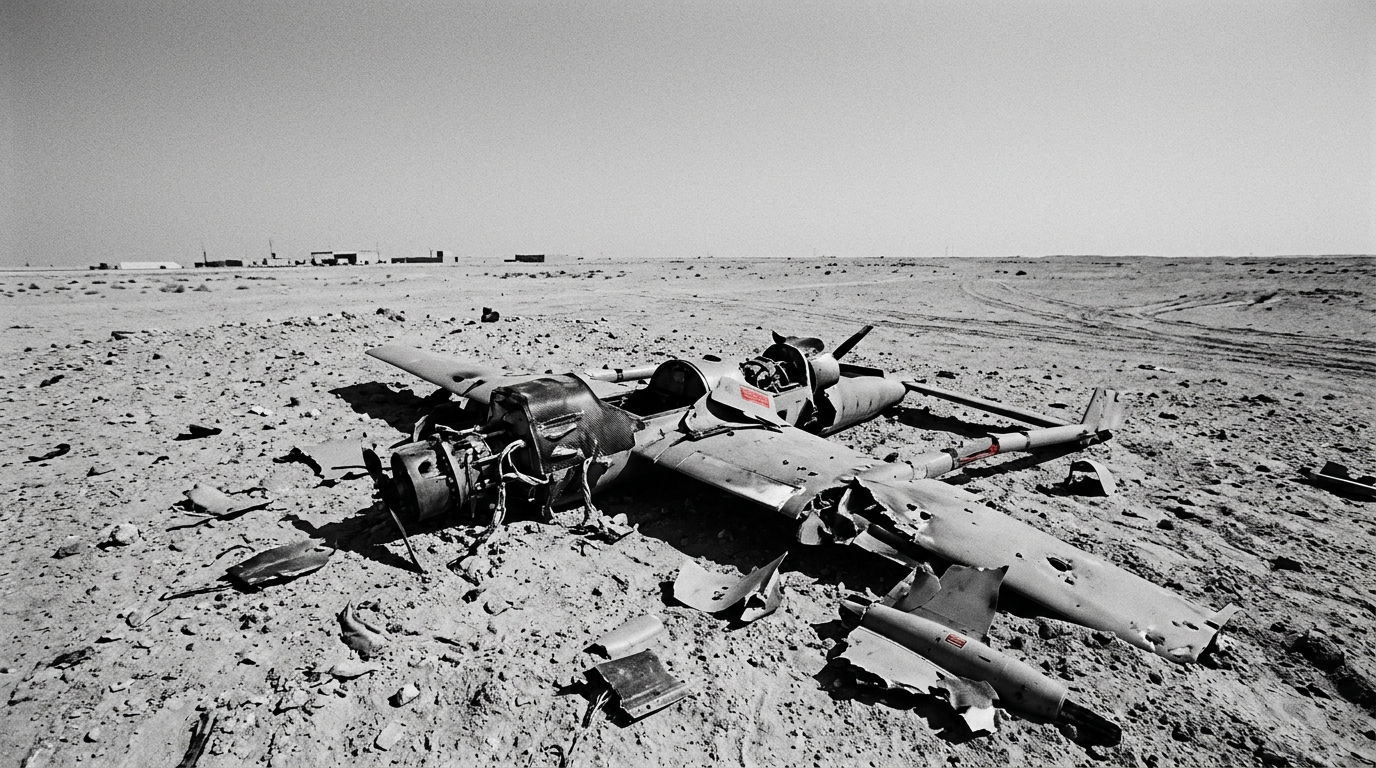
Iran allegedly launched missile and drone attacks against United States military installations in Kuwait on September 3. This reported action occurred shortly after US strikes took place on Iranian targets, escalating a confrontation that now directly impacts Gulf security dynamics. Market reactions to these developments were pending as news emerged.
The reported assault draws Kuwait, a significant security partner of the United States, directly into a military conflict already linked to ongoing Israeli operations in Gaza and heightened tensions in southern Lebanon. As of the immediate aftermath, no verified figures for casualties, assessments of damage, or counts of intercepted projectiles were available.
Escalation in the Gulf Region
The geographical context of this alleged strike is particularly significant. Kuwait is strategically located on the northern edge of the Persian Gulf and hosts substantial US military assets. These facilities are crucial for supporting American operations throughout the broader Middle East. Consequently, any attack on these installations represents a direct challenge to US force protection capabilities and its regional deterrence posture.
The timing of the reported launch also carries considerable weight. Officials indicated that the attacks were linked to earlier US strikes against Iran, suggesting this incident is part of a retaliatory cycle rather than an isolated border event. If this pattern of action and counter-action continues, the immediate risk increases for a broader exchange potentially involving US assets, Iranian launch sites, and allied air defense systems within the region.
Broader Implications and Market Concerns
For global macroeconomic conditions, the primary transmission channels of such a wider confrontation would be through energy markets and overall risk pricing. A more extensive conflict in the Gulf would pose a substantial threat to shipping confidence and could disrupt oil supply expectations. Conversely, a contained exchange might limit the immediate economic shock but would likely sustain a geopolitical premium on regional assets.
In response to the reported attacks on US military presence in Kuwait, immediate questions arise regarding Washington's potential actions. These include whether the US will reinforce its bases in the area, alter alert levels, or engage in a military response. For the wider defense and energy sectors, such events signal a potential increase in demand for advanced air defense systems, enhanced surveillance capabilities, and measures to bolster supply-chain resilience.
Looking ahead to September 4, 2026, a critical indicator will be whether officials from either the US or Kuwait confirm any damage incurred, report casualties, or announce a subsequent response to the alleged attacks.