Syria Destroys Covert Chemical Weapon Stockpile
Syrian authorities are dismantling a secret chemical weapons program, destroying munitions and materials as confirmed by UN and OPCW officials.
Atlas Newsdesk ·
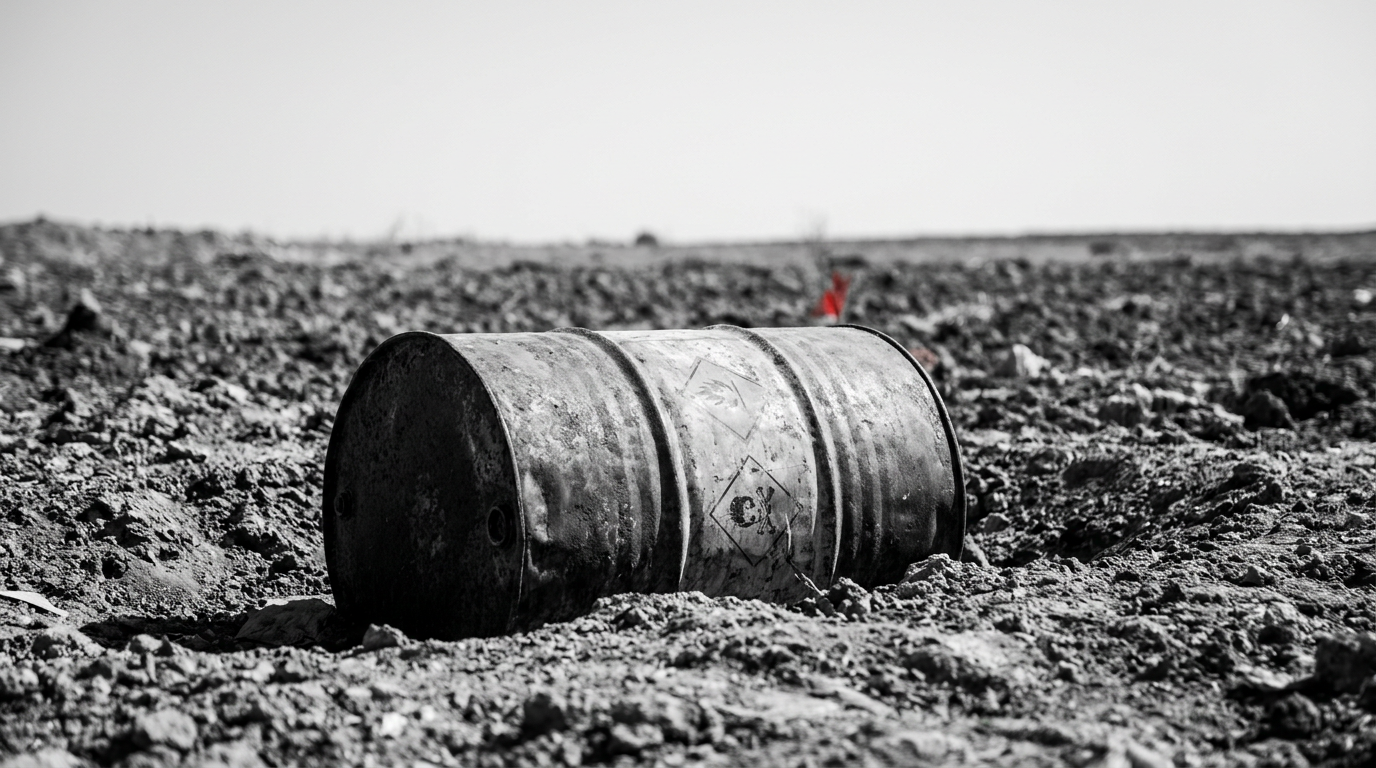
Syrian authorities have initiated the destruction of components from a previously hidden chemical weapons program, a development confirmed by both United Nations and Syrian officials during a UN Security Council briefing on Thursday. This marks the first verified destruction of such munitions within Syria since 2014. The program, which included undeclared production facilities and storage locations, originated under the administration of former President Bashar al-Assad.
Disarmament efforts began in May, following the discovery of these sites by the new Syrian leadership. An inspection team from the Organisation for the Prohibition of Chemical Weapons (OPCW) subsequently confirmed the irreversible destruction of 42 aerial bombs. These munitions were classified as 'category-three chemical weapons,' indicating their potential deployment in chemical warfare scenarios.
Verification and Accountability Measures
Beyond the demolished bombs, recent discoveries also encompassed raw materials and precursors specifically utilized in the manufacture of nerve agents. The OPCW's rigorous verification procedures are essential for establishing the credibility of Syria's commitment to eliminating its remaining chemical weapons capabilities. These ongoing inspections ensure adherence to international standards.
In conjunction with the destruction activities, the Syrian government has taken legal action against individuals implicated in the historical program. Eighteen high-ranking military and technical officials have been detained, with preparations currently underway for their initial court proceedings. This action signals a renewed emphasis on accountability within the country's governance structure, directly addressing past aspects of the chemical weapons issue.
Persistent Operational Challenges
Despite the significant progress achieved, comprehensive search and destruction operations continue to encounter substantial difficulties. Ibrahim Olabi, Syria's UN envoy, highlighted that ongoing regional military tensions and persistent Israeli airstrikes in the area have complicated the overall process. These external factors introduce considerable obstacles, which could potentially affect the timeline for full site remediation and the complete elimination of all undeclared chemical weapon materials.
The current destruction initiative illustrates a complex interaction of international oversight, domestic political shifts, and prevailing regional instability. The global community, represented by the UN Security Council and the OPCW, continues to closely monitor these developments, underscoring the critical importance of adhering to international chemical weapons conventions and non-proliferation treaties. Syria's commitment to these agreements remains a key area of international focus.
International Oversight and Future Trajectory
The new Syrian leadership's commitment to disclosing and dismantling these facilities represents a crucial stride toward fulfilling its international obligations. The OPCW's role remains central to ensuring the integrity and transparency of the destruction process. Its continued inspections and verification efforts are indispensable for building trust, providing accurate accounting, and ensuring the neutralization of all chemical weapon-related materials.
This latest development could indicate a potential shift in Syria's international relations and its overall stance on weapons non-proliferation. Future progress will largely depend on sustained political will, effective security management on the ground, and the cultivation of a constructive regional environment. Continued international support and rigorous scrutiny will be vital in navigating the remaining complexities of Syria's chemical disarmament efforts within such a volatile region.