Iran Targets US Bases: Hormuz Tensions Escalate
Following US airstrikes near the Strait of Hormuz, Iran launched retaliatory missile attacks on US bases in Jordan and the Gulf region, jeopardizing fragil…
Lauren Collins ·
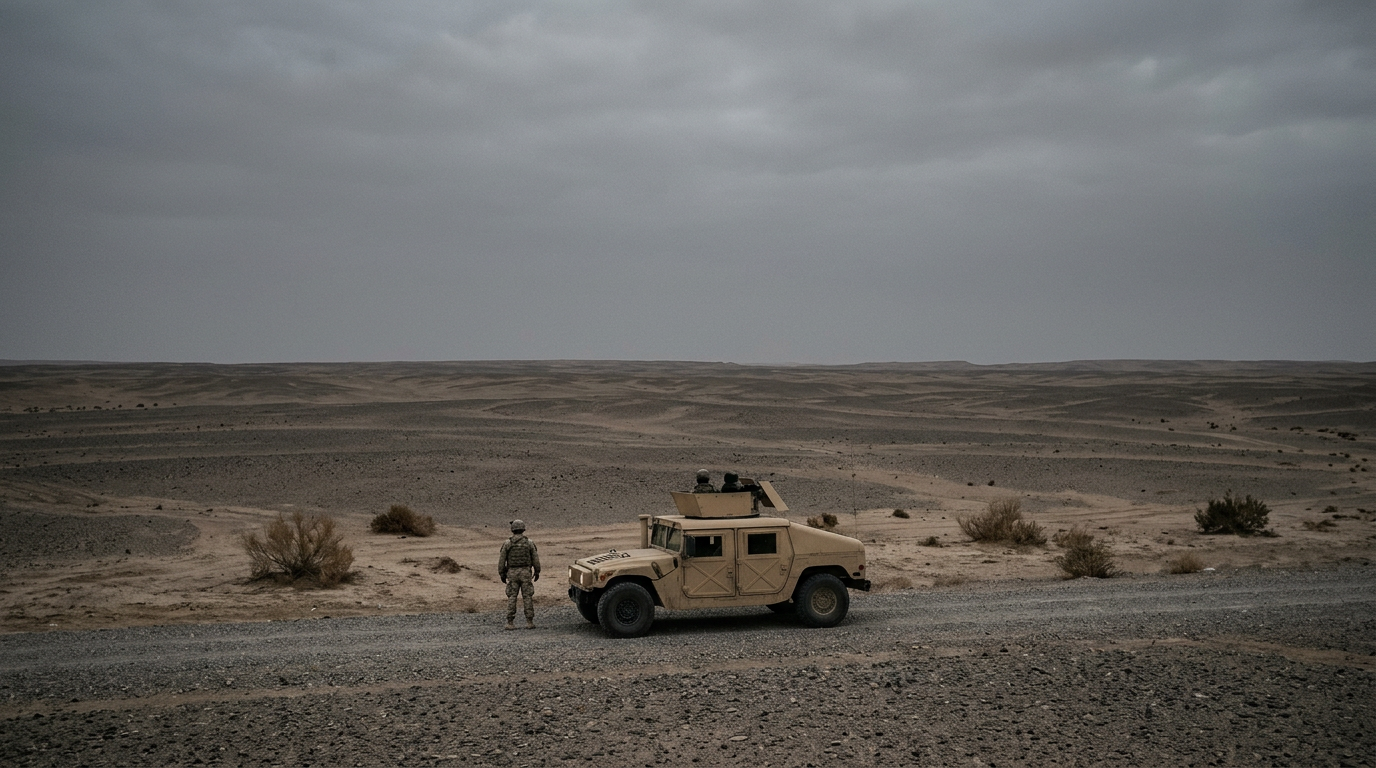
Iran has targeted multiple US military installations across Jordan, Kuwait, and Bahrain, a direct response to American strikes around the strategically vital Strait of Hormuz. These escalations emerged despite an uneasy ceasefire agreement established in April between Washington and Tehran.
US forces initiated attacks on Iranian air defense and radar sites after an American Apache helicopter was reportedly downed. Former President Donald Trump described these US actions as a "very strong, very powerful" response to the incident.
Regional Strikes Unfold
On Wednesday, Iranian missile strikes directly targeted the US al-Azraq base in Jordan. Jordanian military officials confirmed intercepting five missiles aimed at F-35 fighter jet hangars and a command-and-control center at the facility.
While debris landed on Jordanian territory, authorities reported no casualties or significant material damage. Concurrently, Kuwait's Ministry of Defense announced the interception of "hostile aerial targets" early Wednesday morning, and Bahrain's Defense Force claimed to have thwarted several Iranian attacks.
Diplomacy in Peril
Esmaeil Baghaei, spokesperson for Iran's Foreign Ministry, indicated that ongoing diplomatic efforts with the United States are in jeopardy. He cited repeated ceasefire violations and Washington's "contradictory messages" as undermining prospects for a stable environment necessary for negotiations.
This latest exchange marks one of the most significant outbreaks of hostilities since the initial ceasefire in April. Both nations had previously engaged in indirect talks, mediated by Pakistan and Qatar, aimed at securing a lasting peace and reopening the Strait of Hormuz.
Impact and Outlook
The Strait of Hormuz, a critical global shipping lane for oil and gas, found itself nearly choked off by the recent Iranian actions. This escalation swiftly impacted global markets, with oil prices rising in early Asian trading and gold experiencing an 11-week low.
The clashes cast further doubt on the viability of a permanent resolution to the conflict that began in February with joint US-Israeli strikes against Iran. Prospects for future agreements, including discussions on Iran's nuclear program, appear increasingly uncertain as hostilities continue to simmer.