Iran strikes kill three US soldiers in Jordan
Three US service members were killed in recent strikes as dwindling Pentagon interceptor stocks raise serious concerns about regional air-defense gaps.
Mateo Fernandez ·
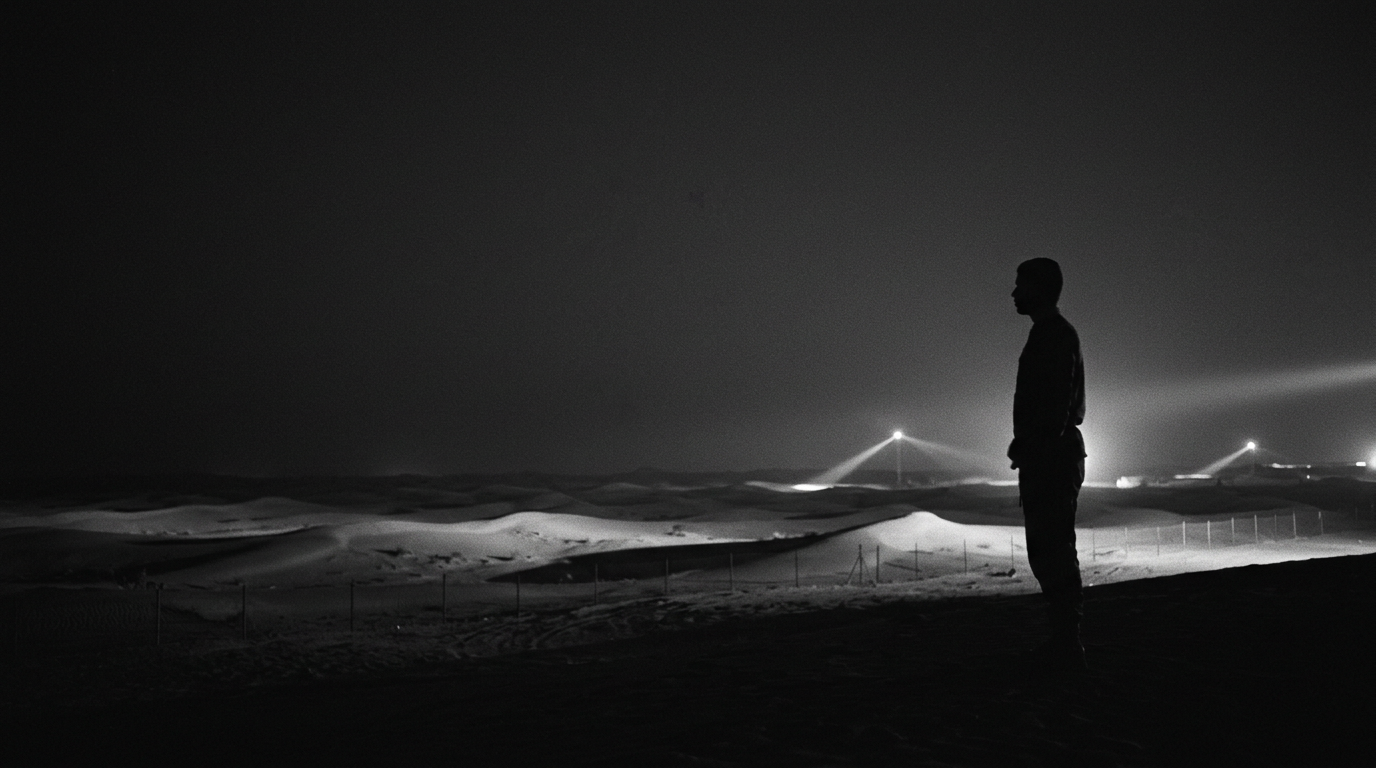
Officials said Iranian strikes in Jordan this week killed three American service members and demonstrated rapid changes in Tehran’s attack methods as US interceptor supplies ran low. The attacks exposed strains on allied air-defence coverage and prompted a classified review of munitions inventories.
Jordan attack tactics
Defense officials said Iran adjusted its approach as US interceptors became scarcer, forcing regional commanders to rely more on layered radar and allied cooperation. Officials declined to provide exact interceptor counts but said resupply timelines are a central concern for planners.
Officials said the immediate operational effect was longer windowing for hostile launches and increased reliance on passive defences and dispersal of assets. That shift reduces the effectiveness of single-point interceptor deployments and raises logistical pressure on forward bases.
Implications for US posture
Officials said planners are evaluating three responses: accelerate interceptor transfers, reroute allied air-defence assets, or expand passive measures such as hardening and camouflage. Each option carries trade-offs: transfers would relieve shortages but strain inventories elsewhere; redeployments could leave other theatres more exposed.
Watch Aug. 19: whether the Pentagon publicly updates interceptor inventory levels or announces additional transfers, a disclosure that would shape allied air-defence posture in the coming weeks.