Delhi Youth Protesters Clash with Police over Autonomy
Delhi protests escalated after medical entrance exams were cancelled, affecting over two million students as parliament’s monsoon session opened.
Atlas Newsdesk ·
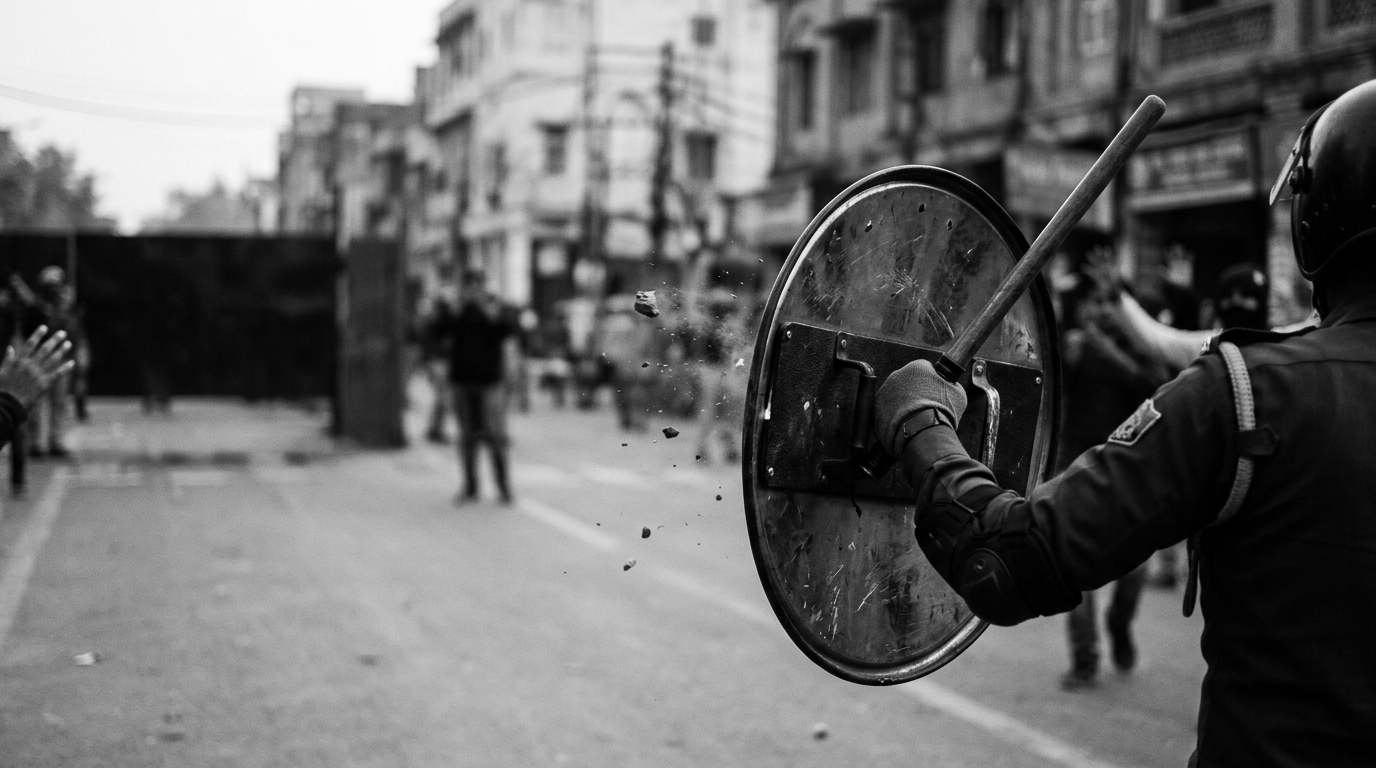
Large demonstrations in New Delhi escalated after the government cancelled medical college examinations that affected more than two million students. The protests, driven largely by young people, have included clashes with police and have sharpened calls for the education minister to resign, according to officials and protest organisers.
Authorities responded with significant policing measures as crowds gathered in the capital. Officials said prominent activist Sonam Wangchuk was detained amid the unfolding demonstrations, a move that added to tensions on the streets and intensified scrutiny of the government’s handling of the unrest.
Parliament session opens under pressure
New Delhi
The protests are unfolding as the parliamentary monsoon session begins, giving the confrontation an immediate political backdrop. Opposition parties have used the government’s response to the exam cancellation and the policing of demonstrations to question the ruling administration’s credibility, according to parliamentary and party officials. With the capital at the centre of both national governance and public mobilisation, the timing increases the risk that street-level volatility will spill into legislative debate. Officials and lawmakers have warned that continued instability could complicate proceedings during the session. Ladakh autonomy demands deepen the dispute The current unrest is also linked to longer-running grievances over the administrative status of Ladakh. Pressure on the central government has grown since the 2019 revocation of the region’s special constitutional protections, with regional stakeholders seeking implementation of earlier pledges on local autonomy and Sixth Schedule status, according to officials and advocates.
Campaigners have argued that the absence of these reforms has kept frustrations unresolved and allowed sector-specific advocacy—particularly around environmental and educational issues—to merge with wider concerns about decision-making power. In recent days, that mix has contributed to a broader challenge to central authority, as protests in the capital draw attention to regional demands as well as student anger over examinations.
Governance risks during the current fiscal cycle
Officials and political observers said the government is now facing concurrent pressure from youth constituencies and regional stakeholders, creating an unusually complex domestic challenge. The detentions and police intervention have become part of the wider political narrative, as opposition parties link public-order tactics to the underlying crisis.
It remains unclear how quickly the government can stabilise the situation or address the separate sets of demands. Continued disruption in New Delhi could raise the likelihood of further civil disobedience and make it harder for the administration to advance its broader policy agenda during the current fiscal cycle, according to officials and lawmakers.