Iran Blocks Strait of Hormuz, Oil Prices Rise
Iran blocks Strait of Hormuz on Aug. 12, lifting oil prices and disrupting Gulf shipping and flights; officials expect updates through Aug. 14.
Mateo Fernandez ·
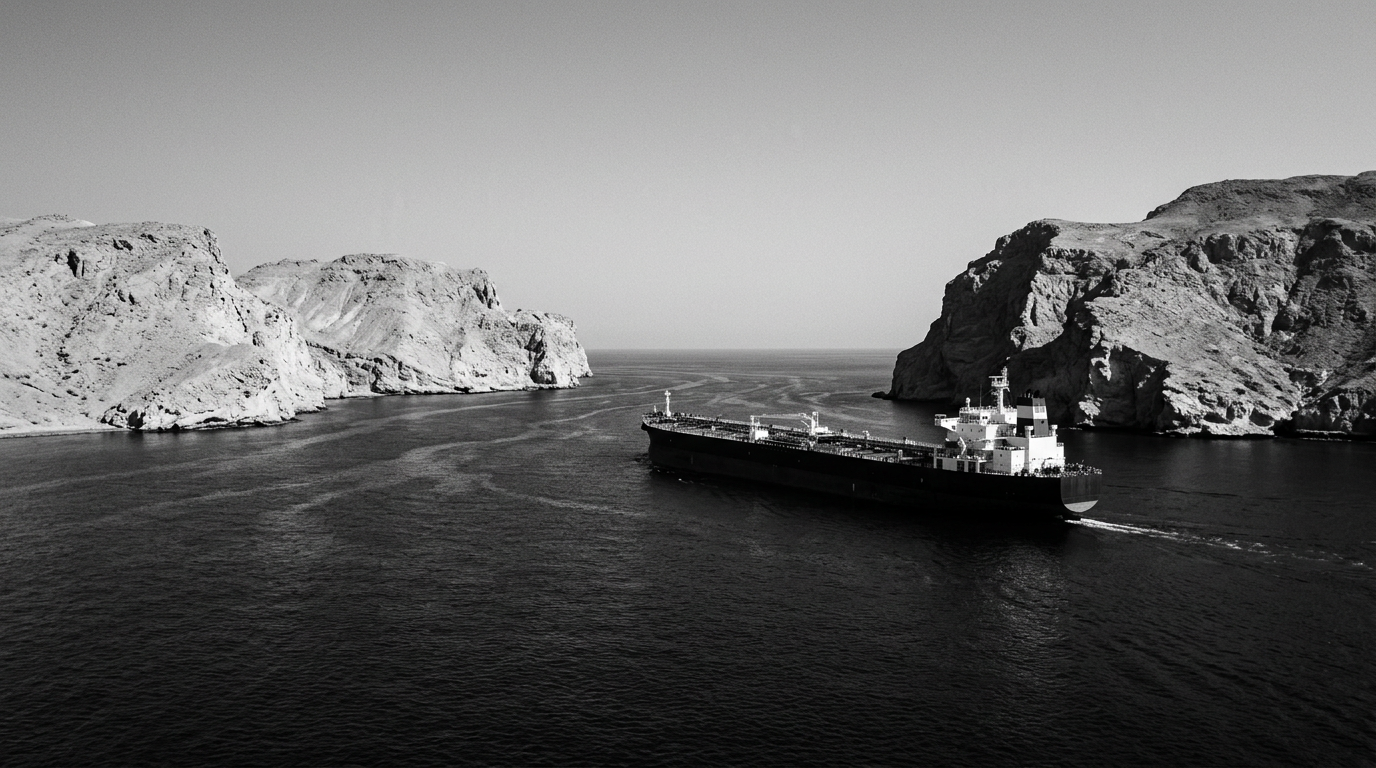
Iranian forces have blocked transit through the Strait of Hormuz, officials said on Aug. 12, triggering an immediate shift in oil-market sentiment and causing disruption to travel across the Gulf.
Oil prices moved higher after the announcement, as traders quickly repriced supply risk linked to the strategic shipping corridor. Airlines also reported cancellations and delays on routes that usually cross the Gulf, creating short-notice disruption for passengers, including UAE residents.
Shipping and tanker movements slow after blockade Shipping Shipping and tanker movements slow after blockade Shipping firms said vessels began rerouting and reducing Shipping firms said vessels began rerouting and reducing speed following the incident, a combination that is lengthening delivery times for crude oil and refined fuels destined for Gulf ports, according to the reports. Officials said some tankers were held offshore while authorities assessed navigational safety. Market participants are watching whether congestion becomes sustained, which could further constrain flows if port clearances and vessel movements remain limited. Traders and refiners are focusing on tanker positions and port processing as near-term indicators of whether bottlenecks persist. Firms involved in maritime logistics said the pace of movement in and out of ports will be a key signal for how quickly shipments can normalize.
Fuel distributors monitor supply and essential deliveries
Regional fuel distributors said they were monitoring supply Regional fuel distributors said they were monitoring supply conditions and prioritising deliveries to essential domestic customers. The statements reflect efforts to manage near-term distribution as shipping schedules adjust. Industry participants said attention remains on operational constraints rather than longer-term forecasts. Reports highlighted that delivery timing, vessel availability, and port throughput are the main variables being tracked while the disruption continues. Airlines issue cancellations and warn of rapid schedule changes Local airports and carriers announced operational changes affecting flights that typically use the southern Gulf corridor. Airlines reported cancellations and delays, and officials warned that schedules could change with little notice as operating plans are updated. Authorities urged passengers to check notices from airlines Authorities urged passengers to check notices from airlines and local government channels before travelling. Officials also advised travellers to contact their airline directly for confirmation, citing ongoing adjustments to operations.
Officials said information would be provided through Aug. 14, and residents were encouraged to follow official government and airline updates. Further notices on routing and passenger travel are expected over the coming 48 hours.