Iran says Strait of Hormuz will stay closed
Iran said on August 9 the Strait of Hormuz will remain closed until the US meets Tehran’s demands, leaving timing and enforcement unclear.
Mateo Fernandez ·
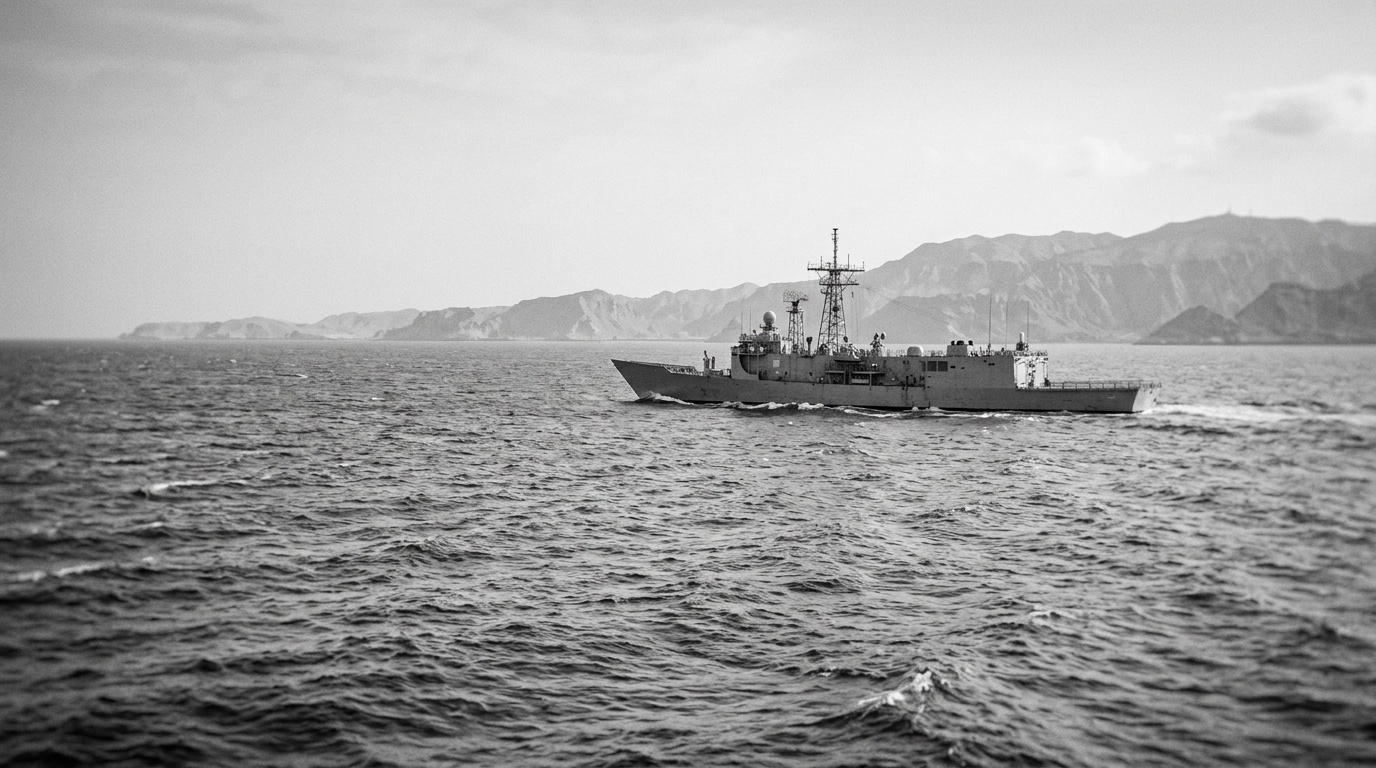
Iran’s top security official said on August 9 that the Strait of Hormuz will remain closed until the United States meets Tehran’s demands, a move that officials and shipping firms are treating as a direct risk to global oil flows.
Officials said the closure would continue until Washington changes what Tehran described as its “hostile policies” and accepts a package of demands. The statement did not publish the full list of demands and did not set out a timetable for negotiations.
Unanswered questions on enforcement and timing
Iran’s statement provided no operational details on how the closure would be enforced. It also left open how ships transiting the area would be handled, and what criteria would be used to determine when the closure ends.
At the time of the announcement, reaction was pending. Officials and commercial operators were awaiting clearer signals on whether the closure is being implemented in a way that affects physical movements, documentation, or insurance requirements.
Shipping and insurance plans under review
The Strait of Hormuz is widely treated by energy and shipping industries as a strategic maritime chokepoint for trade and fuel. Officials and shipping firms are assessing transit plans and insurance coverage in response to the stated closure.
Port operators and tanker owners typically react to disruptions by re-routing voyages, slowing schedules, or seeking convoy protection. Those steps can increase costs and delay deliveries even before any change appears in cargo volumes.
Early market signals depend on follow-on actions
Officials said the near-term impact will be shaped by commercial and policy actions that follow the announcement. Traders and physical market participants are expected to look for evidence of bottlenecks through shipments data and insurance notices.
Insurers and major producers are likely to adjust risk premiums if transit disruption appears sustained. Any increase in perceived risk can feed through to freight pricing and coverage terms, affecting the economics of moving cargoes even if voyages continue.
August 12, 2026 set as a key date to watch Markets will monitor whether Tehran reopens the strait by August 12, 2026. Officials said any movement on that date would be the first clear indicator of whether the closure is temporary or points to a longer standoff.
Until further details are released, the scope of the closure, the mechanism of enforcement, and the pathway to negotiations remain uncertain, leaving commercial decisions to hinge on updates from officials, shipping advisories, and insurance guidance.