U.S. withdraws staff from Harir base after 23 years
U.S. technical teams are leaving Iraq’s Harir base near Erbil after 23 years, as Baghdad’s Sept. 30, 2026 deadline for U.S. forces approaches.
Mateo Fernandez ·
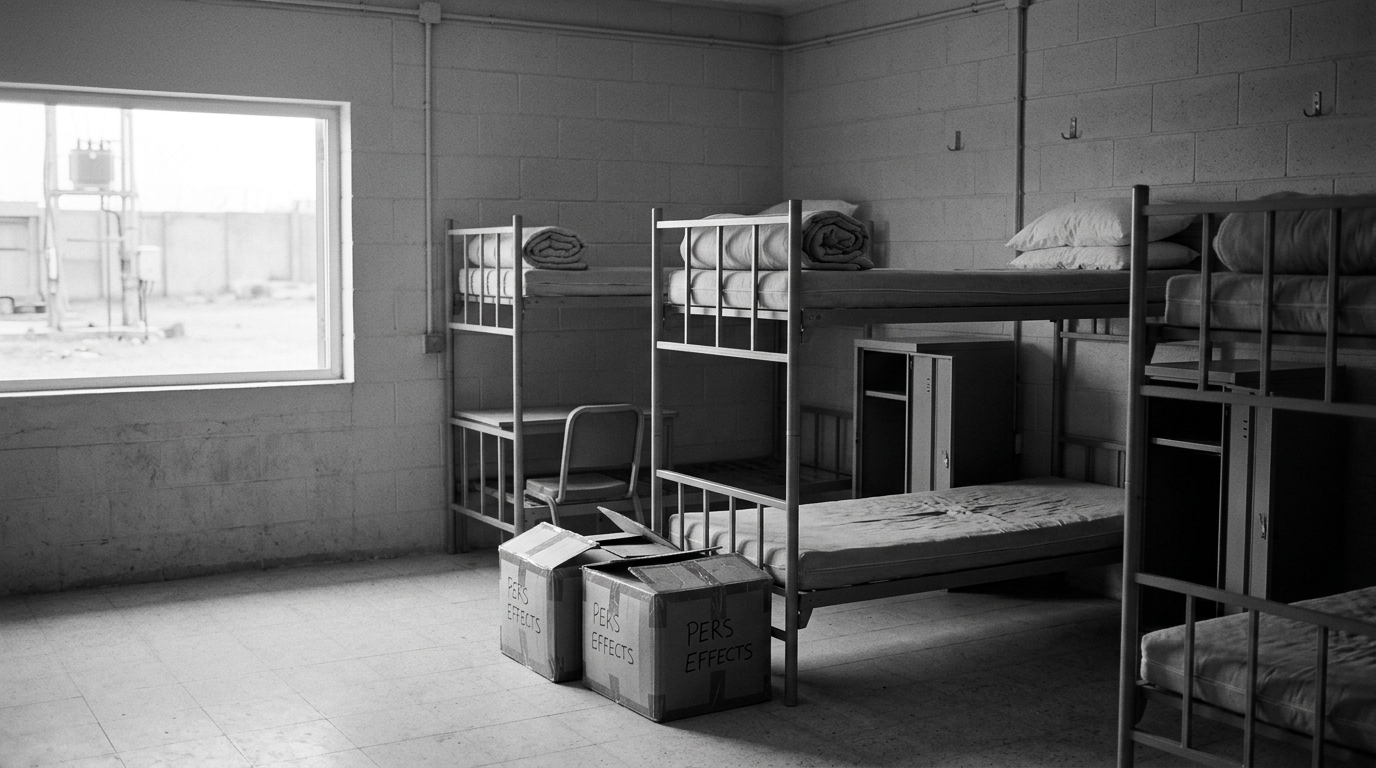
U.S. technical and engineering personnel are withdrawing from the Harir base near Erbil after a 23-year presence, in a move Kurdish officials framed as part of a planned drawdown. The shift brings Washington closer to completing its military exit from Iraq under a timetable set by Baghdad.
Kurdish officials said heavy equipment has been relocated from Harir, including Patriot air-defence systems. They described the activity as organised and deliberate, rather than a rapid departure triggered by an immediate threat.
Harir base drawdown and equipment movements
The relocation of air-defence assets and specialist staff changes how the site is supported on a day-to-day basis. Officials and commanders cited by regional authorities said responsibilities for logistics and base maintenance are expected to move increasingly to Iraqi and Kurdish forces as U.S. technical teams depart.
Those officials said the shift could complicate parts of the mission that depend on sustained infrastructure and technical capacity, including counter-ISIS operations and local air-defence coverage. They also said the removal of systems such as Patriots could affect how protection is layered across facilities tied to the U.S. posture.
Baghdad’s Sept. 30, 2026 timeline for remaining U.S. forces Baghdad has announced that the remaining declared U.S. forces are scheduled to leave by September 30, 2026. Officials said the date is intended to mark the final phase of Washington’s long-standing military footprint in Iraq.
While the withdrawal described at Harir focuses on technical and engineering personnel, regional authorities said the speed of equipment relocations will be watched closely. They added that whether departures extend into October could help clarify if the pullback stays procedural or accelerates following recent regional security incidents.
Regional strikes and heightened alerts at installations
In parallel reporting, regional military officials said missiles they attributed to Iran struck bases across the Gulf. Those officials said the incidents increased pressure on the U.S. regional posture and led to heightened alerts at several installations.
Officials and regional authorities said the drawdown at Harir should be tracked alongside those wider developments. They also pointed to Baghdad’s September 30 deadline as a key reference point for any follow-up troop movements and for signs of coordination between Iraqi authorities and U.S. planners.