Iran keeps Hormuz closed, ties reopening to US conduct
Iran keeps Hormuz closed until US conduct changes, officials said on Aug. 9, 2026, as Gulf shipping risks rise and markets await reaction.
Mateo Fernandez ·
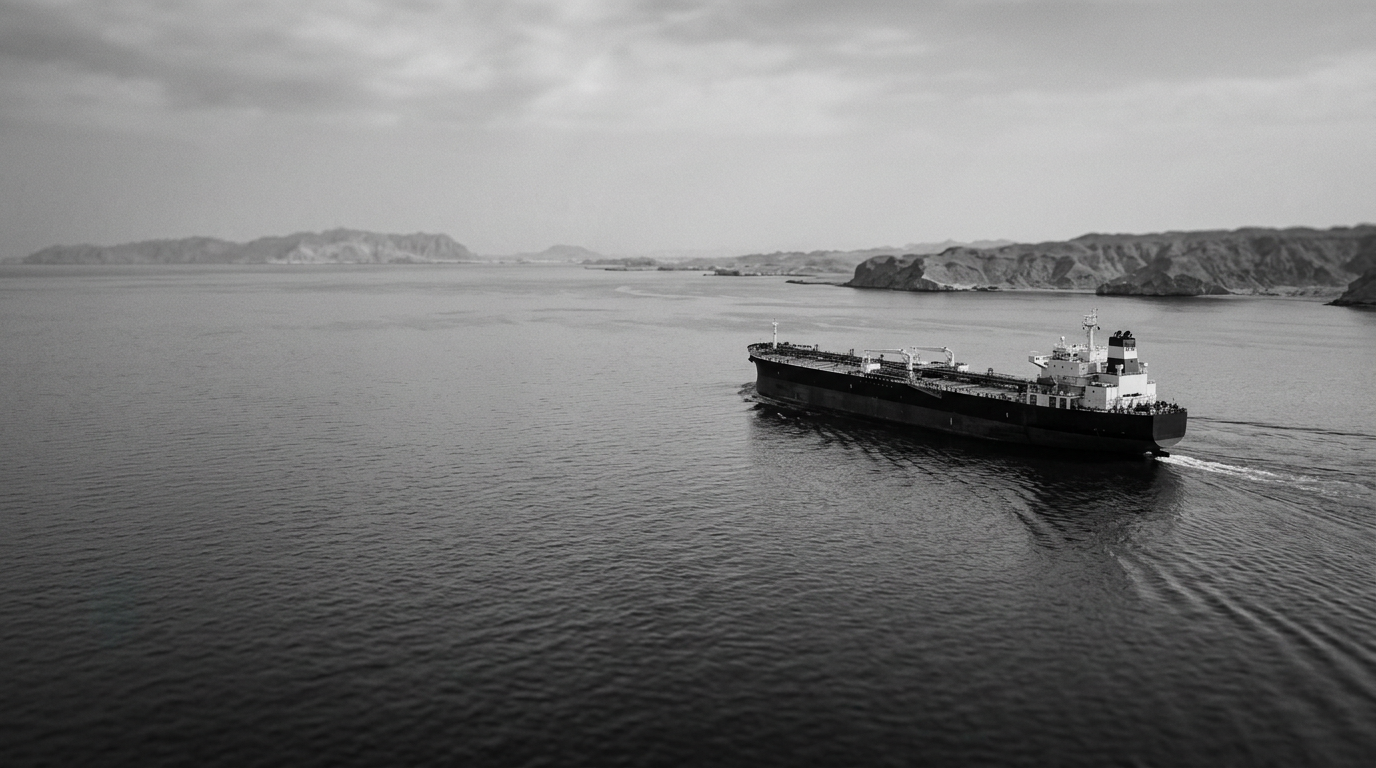
Iran said the Strait of Hormuz will stay shut until the United States changes its conduct, officials said on Sunday, maintaining pressure on a maritime passage described as central to global oil and gas trade. The statements were dated August 9, 2026, and officials did not provide a timeline or conditions that would trigger reopening beyond the broad reference to US behavior.
The situation drew additional attention because other security-related claims emerged around Gulf shipping routes at the same time. Officials said a market reaction was still pending, leaving uncertainty about the immediate pricing impact and whether shipping patterns would adjust quickly.
Gulf shipping tension broadens beyond the strait
UAE officials separately reported that an Iranian missile struck a ship, creating a second point of risk for maritime traffic in the region. The source material did not identify the vessel, confirm damage, or provide independent verification, so the scope of any disruption tied to that report remains unclear.
At the same time, military officials in Yemen said they launched attacks against Iran-backed Houthi rebels following recent strikes. That account, as described, expands the regional security picture beyond the immediate Hormuz closure and adds another layer of uncertainty for shipping corridors and risk assessments in nearby waters.
Why Hormuz matters for energy trade and costs
Officials described the Strait of Hormuz as one of the world’s major energy choke points, connecting Gulf producers with buyers in Asia, Europe, and other destinations. While the source material emphasizes its role in oil and gas trade, it does not include a verified share of volumes flowing through the passage, so the supply risk cannot be quantified here.
For markets, the key transmission channel described in the source is shipping risk rather than a confirmed loss of supply. Delays for vessels, changes in routing, or revised insurance pricing for Gulf transits can raise delivered energy costs, which can then feed into inflation expectations and increase the burden of fuel subsidies for governments, even before any physical shortages emerge.
Separate political track in Turkey
Separately from the Gulf developments, officials said Turkey’s parliament approved a draft law aimed at advancing peace efforts with Kurdish insurgents. The source frames this as a distinct process from the Hormuz dispute, but also as an example of regional governments seeking to contain security risks while tensions around Gulf shipping remain unresolved.
Next steps over the coming day
According to the source material, attention in the next 24 hours after the August 9, 2026 statements is expected to focus on whether officials set terms for reopening the strait, announce additional maritime security measures, or signal retaliation connected to the reported ship attack. For now, the timing and requirements for any change in the Strait of Hormuz status remain uncertain.