Iran Claims Ample Foreign Reserves Amid Sanctions Pressure
Iran's central bank governor stated Tuesday that the nation possesses sufficient foreign currency reserves, aiming to alleviate pressure from U.S. sanctions.
Mateo Fernandez ·
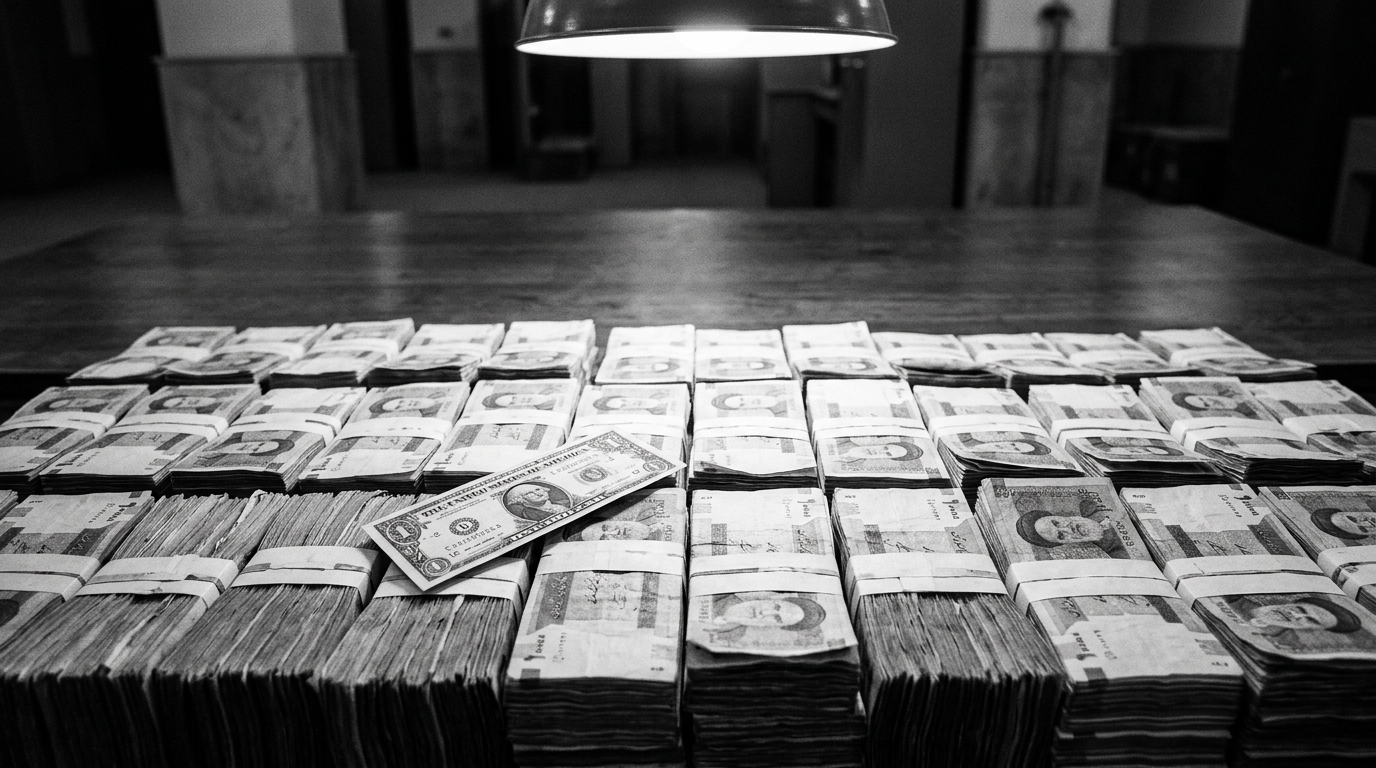
Iran's central bank governor, Abdolnaser Hemmati, announced on Tuesday that the country maintains adequate foreign currency reserves. This declaration comes despite ongoing stringent U.S. sanctions, which have severely restricted Tehran's access to international banking and trade networks. The governor's statement suggests Iran is well-positioned to meet its financial obligations, a claim that could potentially lessen the impetus for additional punitive financial measures.
The central bank conveyed Hemmati's remarks as the Iranian government continues to grapple with economic isolation. The assertion of reserve strength is widely seen by officials and diplomats as a strategic move designed to bolster domestic confidence among the population. It could also complicate future attempts by international bodies to intensify the enforcement of existing sanctions or introduce new ones.
Assertions and Counter-Statements
Hemmati's statement directly contrasts with recent comments from U.S. Treasury Secretary Scott Bessent, who suggested earlier this week that Iran's current geopolitical posturing stemmed from its perceived losses in an 'economic war.' The conflicting narratives highlight the ongoing economic struggle between Washington and Tehran, with both sides presenting interpretations of Iran's financial health.
The adequacy of Iran's foreign currency holdings has significant implications for its ability to conduct international trade, manage its currency, and service its external debts. Historically, a nation's foreign exchange reserves are crucial for maintaining economic stability and absorbing external shocks, particularly for countries facing trade restrictions.
Potential Market Reactions and Future Monitoring
Should the central bank's claim of robust reserves be substantiated by subsequent official data or independent verification, it might dampen calls for immediate new sanctions. Conversely, any future disclosures or statements that contradict this assertion could prompt targeted actions aimed at further limiting Iran's capacity to engage in international transactions. Such measures might include tightening restrictions on specific financial channels or imposing penalties on entities facilitating Iranian trade.
Market observers, diplomats, and international traders are expected to closely monitor further official communications regarding Iran's financial status. This period of scrutiny is anticipated to continue, with particular attention to any developments or additional comments up to September 8, 2026, a date frequently cited in discussions surrounding the longevity of specific sanction mechanisms or review periods.