Iran Sanctions Off: Trump Cites Negotiations, Markets React
President Trump paused planned Iran strikes after speaking with Qatar and Saudi leaders about ongoing negotiations.
Lauren Collins ·
President Donald Trump announced a halt to planned military strikes against Iran, citing recent discussions with leaders in Qatar and Saudi Arabia. He stated on Truth Social that these negotiations are reportedly making significant progress.
Market Volatility and Oil Prices
The announcement immediately impacted oil markets, which had already experienced substantial swings throughout the day. Brent crude futures saw an initial dip following the news of the paused strikes, reflecting a shift in perceived geopolitical risk.
Earlier in the day, reports circulated of a potential temporary lifting of U.S. sanctions on Iranian oil. However, an official U.S. denial of these claims caused prices to rebound before Trump's subsequent post further influenced market sentiment. Treasury Secretary Scott Bessent confirmed a 30-day extension for sanctions waivers on Russian oil, adding another layer of complexity to global energy market dynamics.
Strait of Hormuz and Iran's Assertions
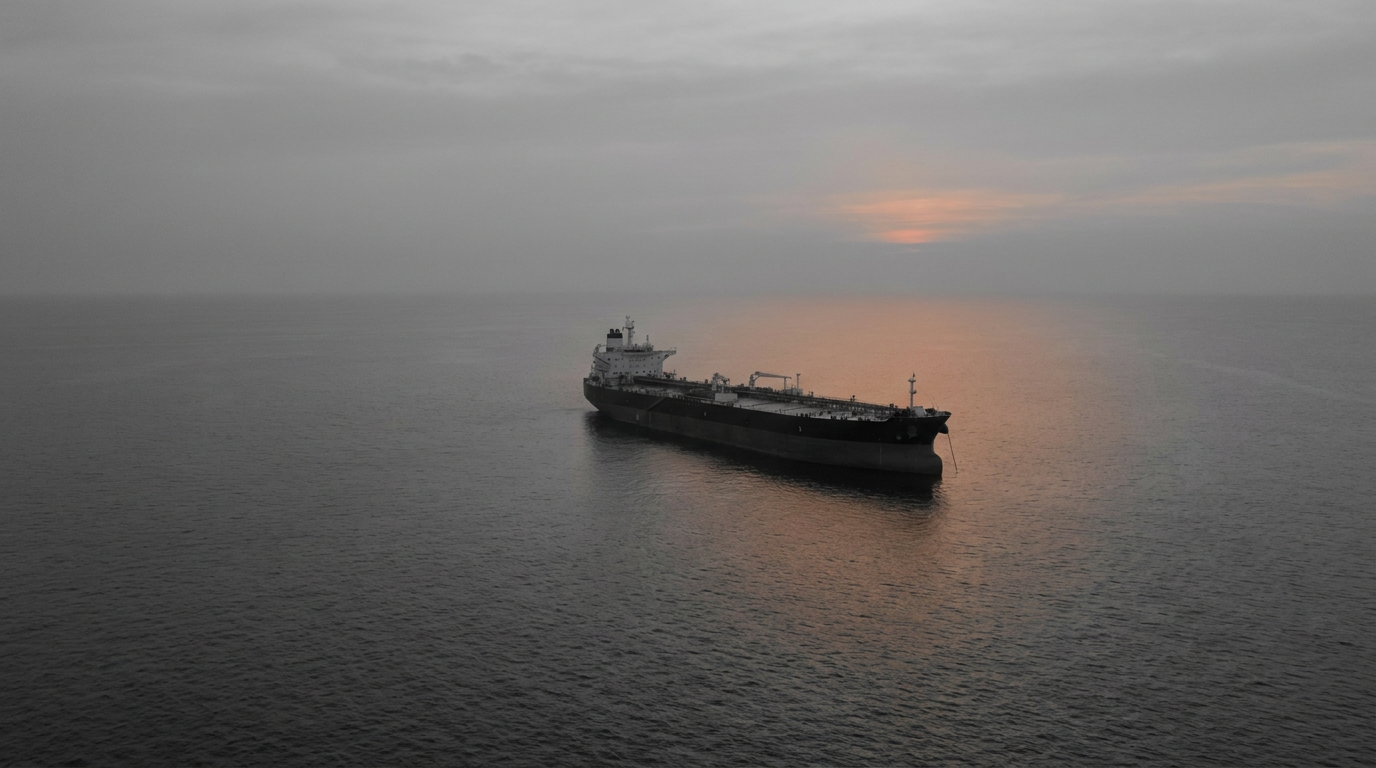
The decision comes amidst ongoing assertions by Iran regarding its control over the Strait of Hormuz, a critical chokepoint for global oil transit. While flows of non-sanctioned oil have seen a gradual increase from the waterway recently, Iran continues to emphasize its authority.
A newly established X account, named the “Persian Gulf Strait Authority,” emerged today, identifying itself as Iran’s official entity responsible for managing passage and transit through the strait. This development underscores the strategic importance and contested nature of this maritime passage.
The de-escalation follows a period of heightened tensions in the region, with previous incidents involving the seizure of commercial vessels and drone attacks attributed to Iran or its proxies. The exact nature and progress of the reported negotiations remain undisclosed.
Analysts suggest that any sustained de-escalation in the Persian Gulf could lead to greater stability in global energy supplies. Conversely, renewed hostilities could trigger further price volatility and supply disruptions, impacting economies worldwide. The focus will now shift to the substance of these negotiations and the official response from Tehran.
The diplomatic channels were reportedly activated following discussions between U.S. officials and their counterparts in the Gulf region. The specific details of the conversations with Qatari and Saudi leaders have not been fully disclosed, but their input appears to have been a decisive factor in Trump's decision.
Moving forward, observers will closely monitor diplomatic engagements and any potential breakthroughs that could solidify the prevailing calm. The administration's next steps regarding engagement with Iran and its regional partners will be key indicators of future policy direction.