Iran sanctions drive Bessent case against fresh strikes
Iran sanctions are central to Bessent's argument that economic pressure can reduce the need for a renewed large-scale US military operation.
Lauren Collins ·
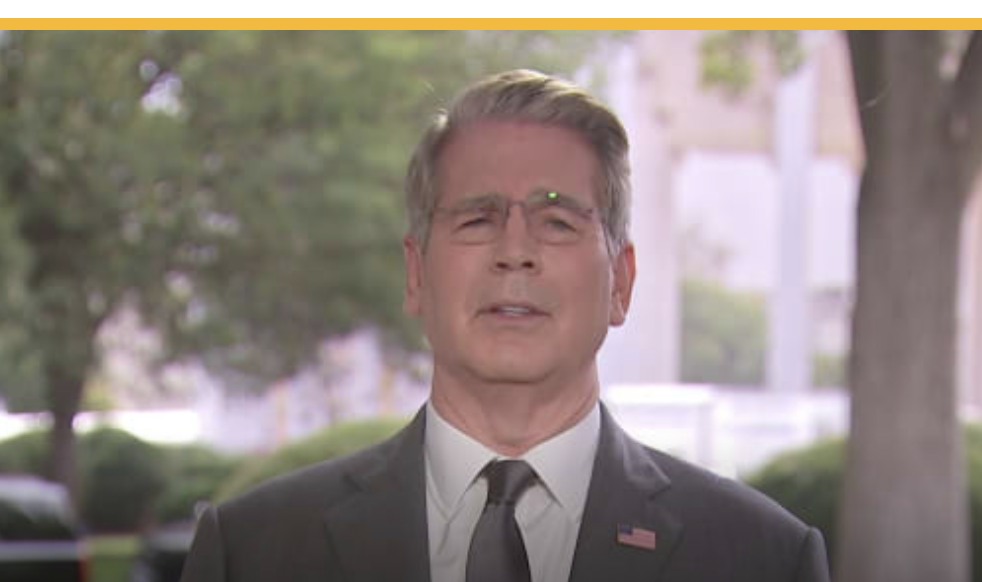
Iran sanctions may avert a renewed US strike campaign, Treasury Secretary Scott Bessent said as the conflict with Tehran nears six months.
Bessent tied the administration’s economic strategy to its military calculus, saying the push for maximum pressure would probably reduce the need for a broad return to armed operations. His remarks put sanctions at the center of President Trump’s effort to force a result without declaring either a diplomatic settlement or a military victory.
Bessent ties penalties to force
The Treasury secretary framed the sanctions campaign as more than a financial tool. In his account, the harder Washington squeezes Iran’s economy, the less likely it becomes that the US will need to resume large-scale military action.
That argument depends on economic pressure doing political work: limiting Tehran’s ability to sustain itself, narrowing the choices available to its partners and giving Washington an alternative to escalation. Bessent did not claim the approach had already produced a settlement, and the available account does not include evidence of a new diplomatic breakthrough.
Trump targets Tehran lifelines
President Trump sharpened the policy line shortly before Bessent spoke, saying the US plans penalties against any country that provides Iran with “any type of lifeline.” The wording broadened the message beyond Tehran, warning foreign governments that support for Iran could carry costs of its own.
The practical reach of that threat will turn on enforcement. If the administration treats financial, trade or energy links as lifelines, governments and companies with exposure to Iran-related activity would face a more complicated compliance environment.
The approach also shifts some of the burden from the battlefield to the sanctions system. Treasury would be central to identifying targets, while the White House would have to decide how far to press countries that may resist US demands or seek exemptions.
Six months without closure
The comments came as the war against Iran approaches the six-month mark. The duration matters because the administration has not pointed to a clear endpoint, either through negotiations or through a decisive military outcome.
For the White House, that makes sanctions both a pressure tactic and a political argument. If the administration can show that economic penalties are restricting Tehran’s options, it can defend restraint in military operations while maintaining a hard line toward Iran.
For Iran, the stated US objective is economic isolation. The source material does not provide verified figures on Iran’s current output, inflation, reserves or trade flows, so the size of the economic shock cannot be measured from the available information.
Sanctions create three tests
If the sanctions campaign holds and foreign governments pull back from Iran, the global effect would be a lower immediate risk of renewed US military escalation. The White House would gain time to argue that pressure is working, while companies in exposed sectors would likely tighten screening of counterparties and payment routes.
If countries continue to provide Tehran with support despite Trump’s warning, the administration’s strategy would face a credibility test. That path could push Washington toward tougher secondary penalties, raising compliance costs for banks, traders and exporters that must judge whether ordinary activity could be treated as support for Iran.
If diplomacy reopens, sanctions would become bargaining leverage rather than only punishment. The macro effect would depend on whether negotiations lower the perceived risk of wider conflict, while the administration would have to decide which penalties are negotiable and which are meant to remain in place.
The immediate question is how the White House defines a lifeline and how quickly Treasury moves from warning to enforcement. Until those details are public, Bessent’s claim rests on a conditional premise: economic pressure has to change behavior before military pressure returns to the center of policy.