Ghana cocoa harvest faces 13% drop as disease risk spreads
Ghana cocoa harvest forecasts point to a 13% decline next season, adding pressure to cocoa markets already focused on West African weather risks.
Atlas Newsdesk ·
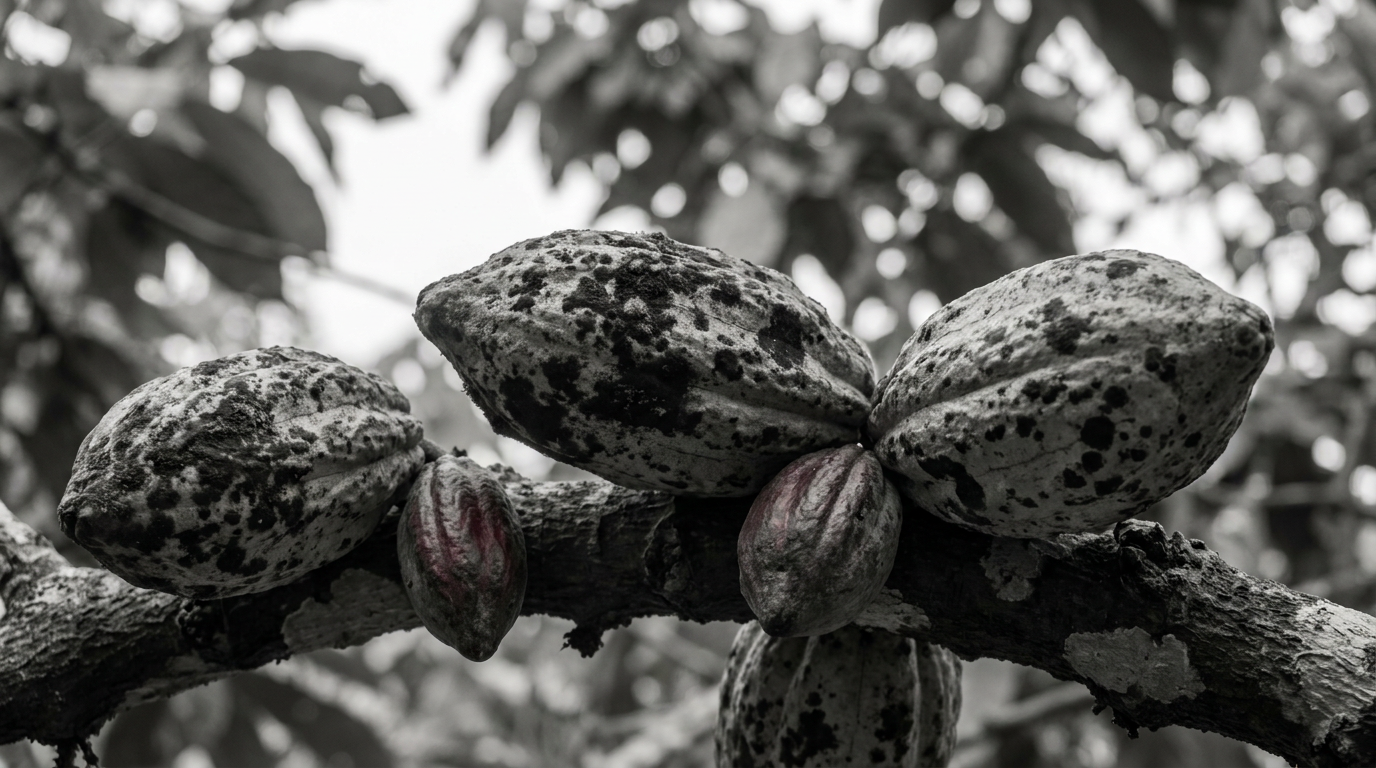
Ghana cocoa harvest forecasts point to a 13% drop next season, as weather and disease risks threaten supply from the world’s second-largest producer.
The estimate puts output at 650,000 tons for the season starting in September, down from more than 750,000 tons in the current season, people familiar with the matter said. The people asked not to be identified because the figures have not been made public.
Ghana Cocoa Board, the industry regulator, produced the estimate after field surveys and pod counts, the people said. A spokesperson for the board declined to comment.
Pod counts point lower
The new forecast matches the 650,000-ton target Ghana set for the 2025-26 season, but the current crop exceeded 750,000 tons earlier this month, according to the people. They attributed the stronger current harvest to favorable weather and inflows of smuggled beans from neighboring countries where farmers sought higher prices.
The next crop is facing a different balance of risks. Recent heavy rains have increased the threat of black pod disease, particularly in growing areas where farmers do not have enough chemical treatments, the people said.
Black pod can damage cocoa pods before harvest and reduce usable bean volumes. In Ghana, where the regulator manages the sector and crop estimates shape sales planning, a lower harvest would reduce the cushion created by the current season’s better-than-targeted output.
El Niño threat returns
Crop conditions in Ghana are part of a wider West African supply concern. Production in Ghana and Ivory Coast, the world’s top cocoa grower, is exposed to adverse weather, including the possible return of El Niño, which can bring flooding or drought.
Ivory Coast has shown a mixed picture. Some areas in the south reported favorable weather and new flowering this month, while StoneX Group forecasts the country’s 2026-27 production at 1.8 million tons, down 11% from the previous season, citing the possible effect of a strong El Niño event.
That matters because Ghana and Ivory Coast sit at the center of global cocoa supply. If both crops weaken in the same season, buyers would have less room to offset a shortfall in one country with beans from the other.
$6,000 cocoa price test
Cocoa prices are trading around $6,000 a ton, compared with below $3,000 in February and a record near $13,000 in late 2024. The weaker Ghana estimate could support prices if traders treat the pod counts as evidence of tighter West African supply.
For Ghana Cocoa Board, a smaller crop would affect the volume available for export programs and forward sales after a season that beat its original target. For processors and chocolate makers, higher bean costs can squeeze margins if retail prices or product sizes do not adjust quickly enough.
The industry effect would depend on how much of the lower Ghana forecast becomes actual crop loss. Weather can damage pods directly, but the availability of disease treatments can determine whether wet conditions turn into a larger harvest problem.
Three crop paths emerge
If rains ease and disease treatment reaches farms in time, Ghana could narrow the gap with the current season’s output. In that scenario, global food-cost pressure from cocoa would be more contained, Ghana Cocoa Board would have more saleable volume, and chocolate manufacturers would face less pressure to reprice products.
If wet weather persists or a strong El Niño disrupts Ghana and Ivory Coast together, lower tonnage would tighten the bean market. That path would keep cocoa exposed to weather-driven repricing, reduce the board’s export flexibility and raise input-cost pressure across grinders, confectionery groups and traders.
A third path is a split West African crop, with Ghana falling while Ivory Coast’s flowering supports part of the regional supply base. The open questions are whether Ghana’s pod counts translate into losses after September and whether cross-border bean flows repeat in the next season.