Houthi Drone Claims Target Saudi Oil and Airport Facilities
Houthi forces claimed drone attacks on a Saudi Aramco facility and Najran airport, with Saudi officials acknowledging the claims but no confirmed damage.
Mateo Fernandez ·
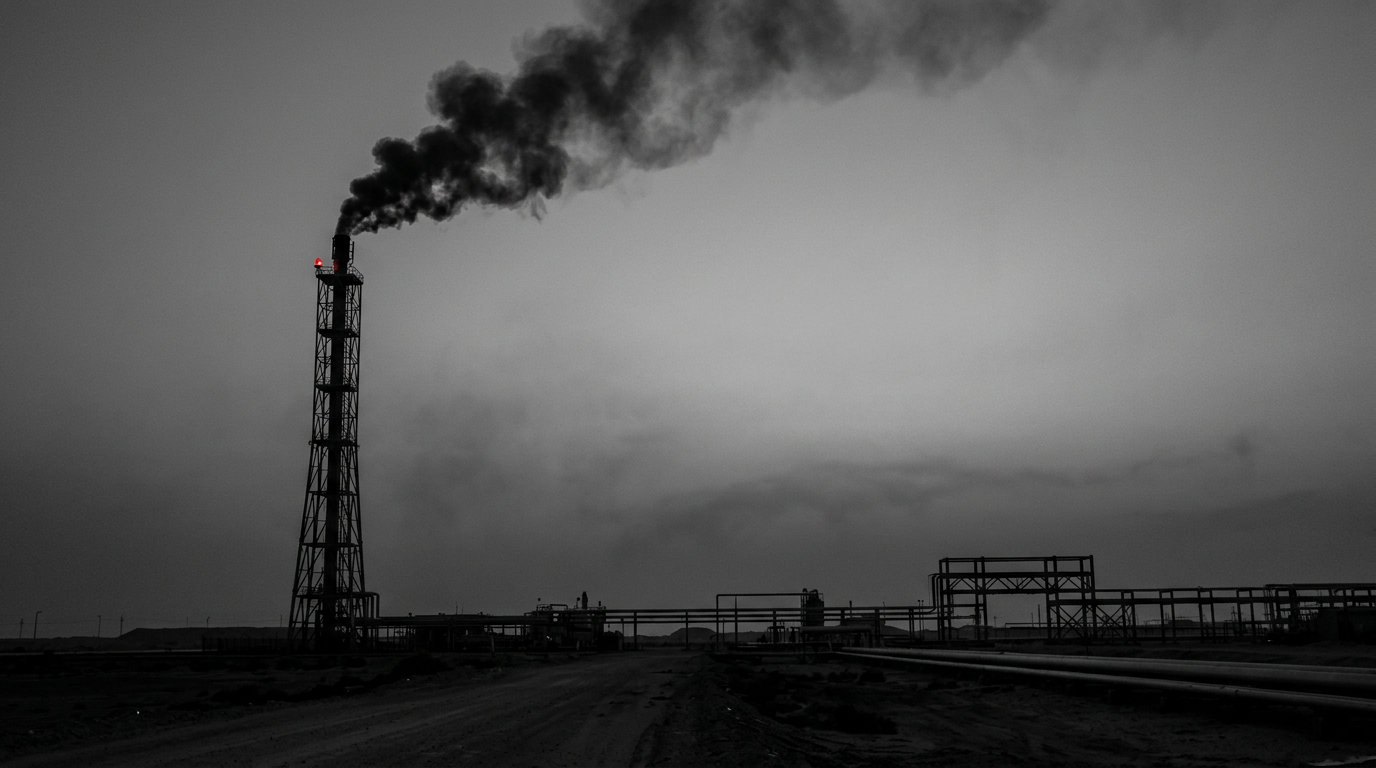
Houthi forces recently stated they conducted drone attacks targeting a Saudi Aramco facility and the Najran airport in Saudi Arabia. This assertion introduces potential risks to critical regional oil infrastructure and aviation operations. Saudi officials have acknowledged the claims, indicating that two drones were reportedly involved in the alleged strikes. However, as of initial reports, the Houthis' statements have not been independently verified, and Saudi authorities had not released a public statement detailing any damage or confirming the attacks.
The incident immediately prompted questions regarding its potential impact on global oil logistics and market stability. Market participants and analysts are closely observing for official statements from Saudi Arabia that could confirm or deny the extent of any damage.
Potential Impact on Oil Operations and Logistics
Should any damage to the Aramco-linked facility be confirmed, it could lead to operational disruptions at that specific site. Such an event would potentially reduce available export capacity from the affected installation, thereby exerting short-term pressure on the broader oil logistics chain. Historical precedents indicate that incidents of this nature frequently trigger immediate responses within the shipping and insurance sectors.
Insurers and charterers typically react by widening premiums, which translates into increased operational costs. Additionally, there might be re-routing of vessels to bypass perceived risk zones, further elevating both physical and freight costs for crude oil and refined products. The strategic location of such facilities in the Red Sea region means that any disruption could have ripple effects across global supply routes.
Market Response and Future Outlook
The market's long-term reaction will heavily depend on whether any material harm to infrastructure is definitively confirmed. If investigations reveal no significant damage, market sentiment is likely to view the episode as limited, and any initial volatility in prices or risk assessments could quickly subside. The primary mechanism for a substantial and sustained market impact is a physical disruption to either oil production or export capabilities.
Absent such physical disruptions, the main effects would likely be confined to an increase in risk premia applied to shipping and insurance costs, rather than immediate losses in global supply. Officials have indicated that further updates are anticipated within the next 24 hours as authorities work to assess any damage and evaluate the broader implications for transport routes and energy security. Traders and market analysts are closely monitoring for official statements from Saudi Arabia, alongside any shifts in insurance or freight costs that might emerge over the coming day, which would serve as key indicators of the incident's true impact.
The repeated nature of these claims underscores the ongoing geopolitical tensions in the region, particularly concerning maritime and energy infrastructure. The international community often expresses concern over such attacks due to their potential to destabilize global energy markets and endanger commercial shipping.
Broader Regional Geopolitics
The claims of attacks on critical infrastructure are a recurring element in the ongoing conflict in Yemen, where Houthi forces have frequently targeted Saudi territories. These incidents typically escalate tensions and complicate efforts toward a lasting peace in the region. The proximity of Najran to the Yemeni border makes it a frequent target in this conflict. Monitoring these developments is crucial not only for energy markets but also for understanding the trajectory of regional stability.