Iran pushes Hormuz control as trade-route risk rises
Iran pushes Hormuz control, officials said on August 8, 2026, with markets watching for any confirmed disruption by August 9.
Mateo Fernandez ·
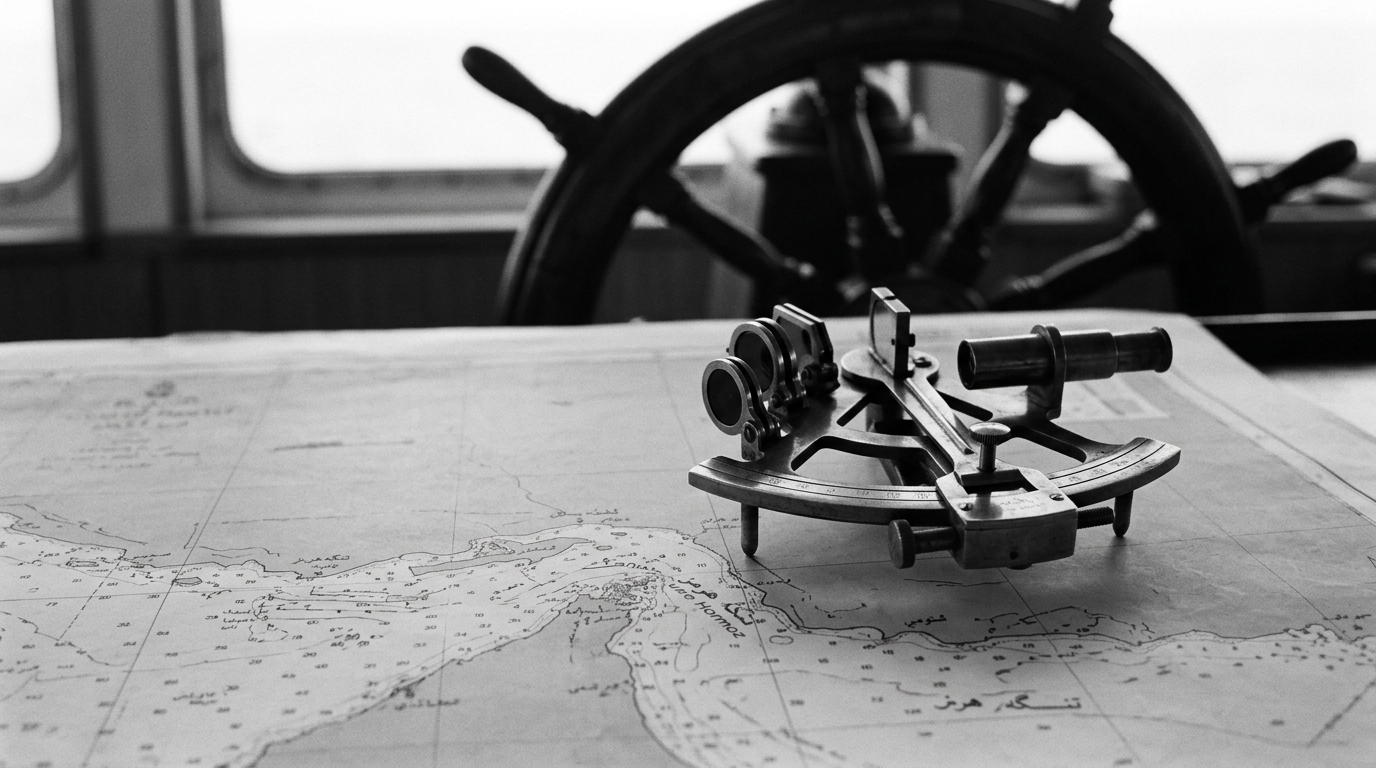
Officials said on August 8, 2026, that Iran sees tighter control of the Strait of Hormuz as a way to gain advantage, placing one of the world’s most important maritime corridors at the center of the confrontation. At this stage, the situation is framed as intent and leverage rather than a confirmed interruption of traffic, with markets awaiting any verifiable change on the water.
The distinction matters for pricing and policy. Any confirmed disruption would provide a clearer basis for repricing energy and shipping risks than statements alone, while continued transit would keep the immediate impact concentrated in risk premiums rather than physical shortages.
Hormuz pressure and Washington’s reported constraints
An assessment described Washington as operating under three linked constraints: lower weapon stockpiles, rising domestic anger, and the financial burden of defending trade routes while Iran seeks leverage at sea. The assessment’s contested points were presented as attributed claims rather than independently verified facts.
In this framing, the pressure point is capacity. If officials judge stockpiles to be too limited for prolonged maritime defense, the White House could face a choice among replenishment, maintaining regional deterrence, and absorbing domestic political costs tied to extended commitments and spending.
How control risks translate into economic effects
Officials and the assessment described a straightforward transmission mechanism if the Strait is placed under tighter pressure. Higher perceived shipping risk can lift insurance costs, encourage rerouting, and require governments to shift naval and air-defense assets away from other priorities.
Two outcomes were outlined. If traffic continues to move, the broader macroeconomic effect would remain mostly in risk pricing across freight, insurance, and energy markets. If transit is impeded, importers of energy and traded goods would face a more direct supply shock, with implications extending beyond price volatility to availability and logistics planning.
Who is exposed first, and what Iran is seeking Industry exposure was described as concentrating first on shippers, insurers, refiners, and energy traders that rely on predictable Gulf transit. These sectors can see immediate effects through premiums, charter rates, delivery schedules, and hedging costs even before any confirmed physical blockage.
For Iran, officials portrayed tighter control as a leverage tool only if it can raise costs for adversaries without triggering a broader response that ultimately weakens Iran’s position. That balance—pressure without escalation—was described as central to the strategy implied by the statements.
Next confirmation point set for August 9, 2026 By August 9, 2026, the immediate question is whether officials confirm any physical disruption to Hormuz traffic. Without that confirmation, the episode remains a geopolitical risk signal rather than a documented break in trade flows, leaving the market impact tied more to uncertainty than to measured reductions in transit.