

Iran keeps 7-day Hormuz reopening offer in play
Abbas Araqchi said Tehran is assessing Washington’s reply while accusing the US of failing to meet Iran’s conditions.
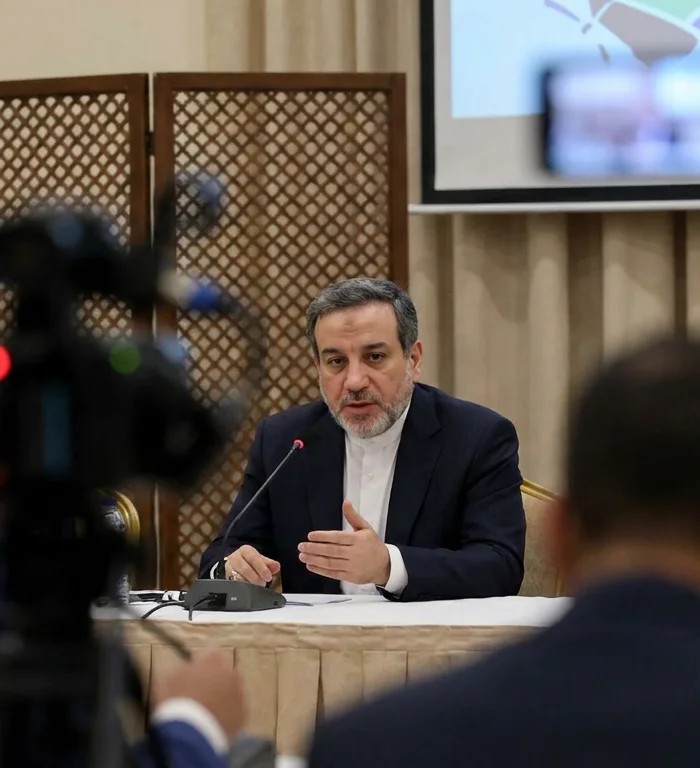
Iran kept a seven-day proposal to reopen the Strait of Hormuz in negotiations with Washington, Firstpost reported October 18, citing Foreign Minister Abbas Araqchi’s comments to Iranian media.
Iran’s offer matters because the channel carried around one-fifth of global oil and liquefied natural gas trade before the war, making any prolonged disruption a risk for Gulf energy flows.
Araqchi, who was in Baghdad for an Organisation of Islamic Cooperation meeting, said Tehran was still studying Washington’s response. He also accused the US of lacking the intent needed to conclude a deal.
“Our situation is clear and based on the seven-days proposal presented to the US. They shared comments which we are reviewing, but our proposal is still on the table and if there is any honesty on the US part, which there isn’t, the way to reopening the Strait of Hormuz is obvious,” Araqchi told Iranian media outlets on Sunday, according to Firstpost.
The proposal was submitted in mid-September after an interim ceasefire collapsed, the report said. Iran later acknowledged receiving a US response, while Iran’s security chief said last week that talks had stalled because Washington had not addressed all seven Iranian conditions.
Those conditions include lifting what Tehran describes as a US blockade on Iranian ports, easing sanctions on Iranian oil exports and ending hostilities across regional fronts, according to the report. Araqchi said the strait could reopen within six days if Washington accepted Iran’s terms, with negotiations resuming the following day.
The disagreement is also about sequencing. Iran wants initial talks to focus on the waterway and maritime security, while Washington has insisted that Iran’s nuclear programme be part of the negotiations from the start, Firstpost reported.
US Vice President JD Vance said earlier this month that Iran would need a “meaningful” reduction in uranium enrichment capacity to satisfy Washington’s demands and end the eight-month war between the countries, according to the report.
Atlas360 reported October 18 that Iranian state media said two oil tankers had hit mines in Hormuz, while Kpler figures cited in that report put flows through the strait at 11.6 million barrels a day in the seven days to October 13, equal to 68% of the pre-war baseline.
The report did not give the full text of Washington’s response to Iran’s proposal. The next measurable step is whether the two sides resume talks on Iran’s seven conditions or remain split over whether the nuclear issue comes first.
Source: news report, Firstpost, October 18, 2026
More stories
- Iran parliament backs Akhlaghi as defence minister in 237-15 vote
- Belgium seeks EU sanctions after West Bank attack on diplomats
- Macron vows prosecutions after 400 arrests at France protests
- Lovejoy links Bonetta to 700,000-person indenture system
- Six Black Sea ship attacks reach Romanian waters
- Egypt offers Saudi defense help, seeks parliament's role
- Iran sanctions draw Tehran rebuke as China resists US policy
- Strait of Hormuz tanker fire adds pressure on oil lanes
Latest news
- El Gouna selects 5 filmmakers for third Rising Stars cohort
- Vanillin shows wound-care potential in early research
- Menin restoration improves older-mouse memory in 30 days
- Feijóo targets Catalonia’s 48 seats with Albiol housing pledge
- Govil seeks 50% or full BBL stake to expand T20 portfolio
- BPC-157 use rises 33-fold despite limited human evidence
- Mynt prices $971m IPO in 2026's biggest Southeast Asia debut
- Louvre pledges €20m a year for security after jewel theft