Iran Threatens Global Energy Crisis With Strategic Hormuz Strait Blockade
Tehran has delivered a 4-5 day ultimatum to the US regarding the Strait of Hormuz, linking future talks to undisclosed terms, threatening escalation.
Atlas Newsdesk ·
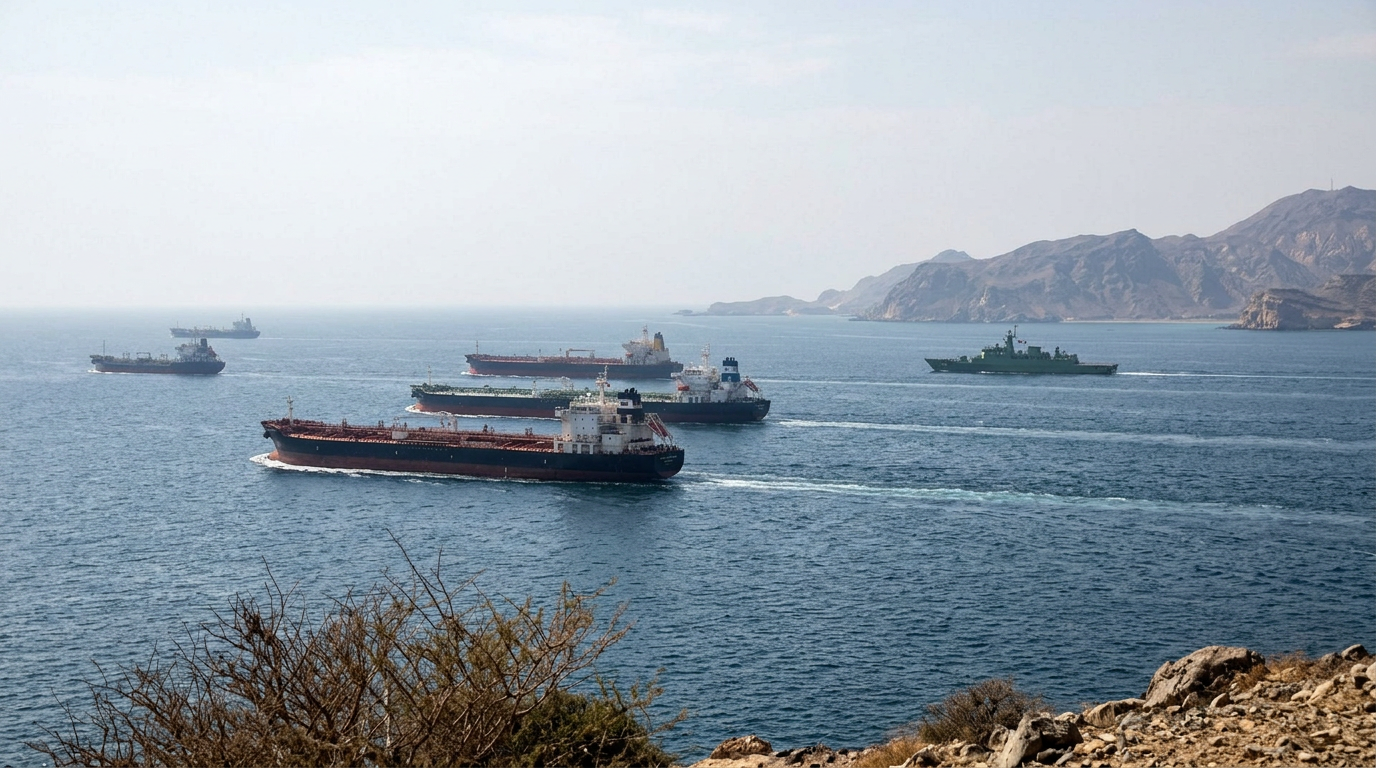
Iranian authorities have reportedly issued a four-to-five-day ultimatum to the United States concerning the Strait of Hormuz. Tehran indicated that any future diplomatic discussions depend on Washington accepting specific, undisclosed terms. Should these preconditions not be met by the stipulated deadline, unspecified escalatory actions could follow, according to the authorities.
This development unfolds amid a backdrop of escalating regional tensions. Officials from both European nations and the United States have previously noted that recent diplomatic engagements regarding the strategic waterway have not yielded significant progress.
Diplomatic Standoff Continues
A recent bilateral meeting in New York, involving the UK Foreign Secretary and his Iranian counterpart, focused on regional security and the fundamental principle of freedom of navigation. Despite these high-level discussions, a persistent standoff remains between the involved parties.
The United Kingdom has reaffirmed its commitment to diplomatic solutions while simultaneously maintaining sanctions against specific Iranian security entities. This approach highlights the intricate balance between efforts to de-escalate tensions and adherence to established international policy. No agreement from these talks has been publicly announced.
Internal Dynamics and Market Impact
Reports suggest that certain internal factions within Iran are advocating for a more assertive posture in the current situation. These groups reportedly draw parallels between potential developments in the Strait of Hormuz and instability seen in the Bab al-Mandab strait, another crucial maritime chokepoint.
The geopolitical risks stemming from these events continue to generate apprehension across global markets. Brent crude prices have reflected this heightened uncertainty, signaling investor concerns about potential disruptions to international oil supplies. Tehran appears to be employing a dual strategy, demonstrating public defiance while also expressing openness to future diplomatic frameworks as the regional security environment remains volatile.