Iran Keeps Strait of Hormuz Closed, Sets US Conditions
Iran says the Strait of Hormuz will stay closed until US operations end, blockades lift, and assets are released, alongside a wider ceasefire.
Atlas Newsdesk ·
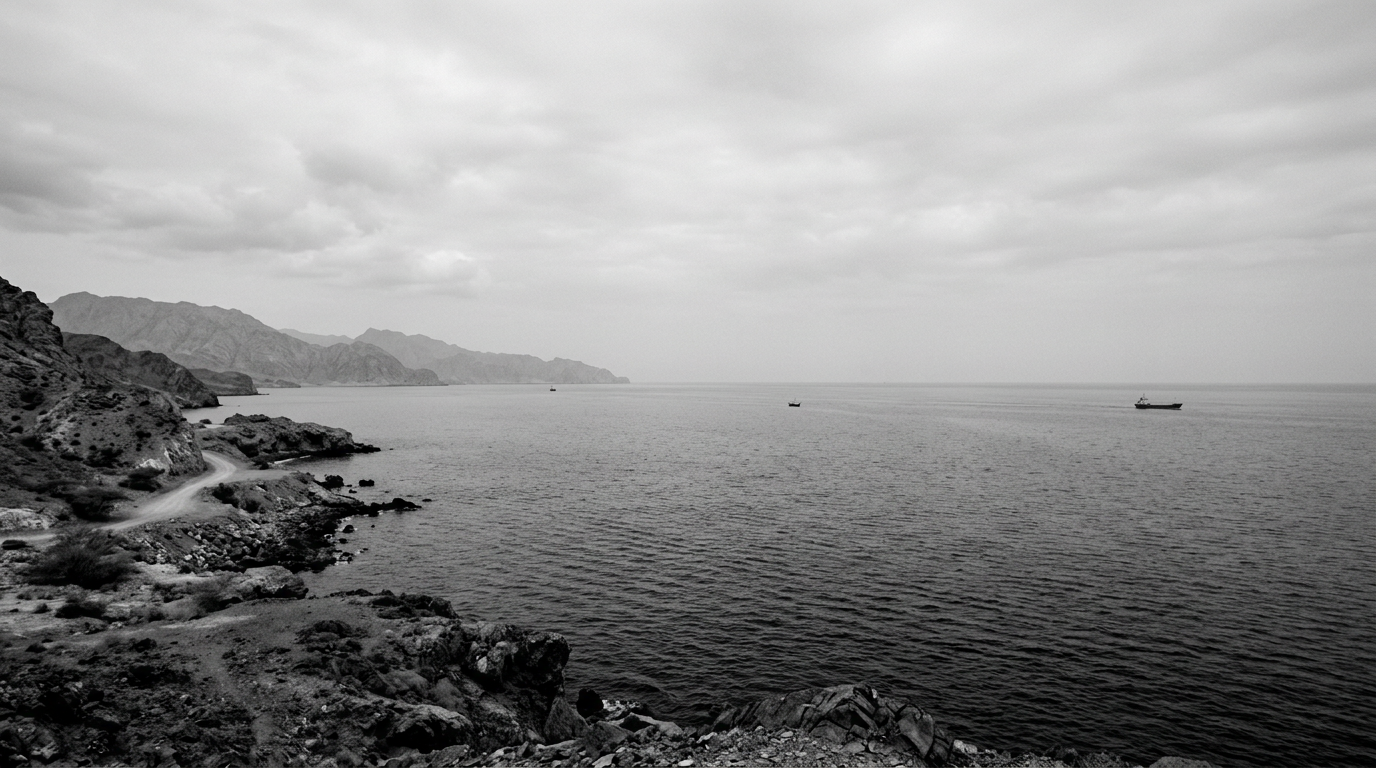
Iran has repeated that it will not reopen the Strait of Hormuz, setting out conditions aimed at the United States and linking any change to a broader regional ceasefire. The position was stated on Tuesday by Mohsen Rezaei, who heads Iran’s Supreme National Security Council.
Rezaei said the waterway would remain closed until U.S. military operations end, naval blockades are lifted, and frozen financial assets are released. He added that Iran also wants a ceasefire extending across the region, including Gaza and Lebanon.
Iran ties reopening to military, financial, and ceasefire demands Iranian officials framed the closure as connected to Iranian officials framed the closure as connected to wider conflict dynamics as well as restrictions related to sanctions-linked finances and military activity. Rezaei’s statement left Iran’s position unchanged: the strait will stay shut until the stated conditions are met. While diplomatic contacts have continued, Iranian officials played down the relevance of separate shipping-focused discussions, saying such talks do not alter the broader stance on reopening the passage. Regional mediation tracks proceed in parallel Regional actors have pursued discussions alongside the standoff. Pakistan’s Interior Minister Mohsin Naqvi visited Tehran to discuss possible mediation efforts, according to the source material.
United States
Qatar, meanwhile, reported progress in separate discussions between Iran and Oman focused on shipping routes. Iranian officials, however, said those conversations do not change Iran’s overall position on the closure.
US statements and new maritime incidents add pressure
U.S. President Donald Trump has signaled uncertainty about where the conflict is heading, moving between warnings of further military escalation and claims that a peace agreement is near. The mixed messages have coincided with continued tension around major maritime chokepoints.
On Tuesday, U.S. Central Command said it disabled a Panama-flagged cargo ship in the Strait of Hormuz for allegedly breaching the naval blockade. The incident added to concerns among shipping and energy stakeholders about the security situation in and around the passage.
Separately, a suspected Houthi strike in the Bab al-Mandeb strait killed four crew members on an Egyptian-owned vessel. The reported deaths highlighted spillover risks across multiple routes that connect the Gulf to the Red Sea and onward trade lanes.
Conflict timeline and unresolved questions
Officials said the conflict began in late February and has produced thousands of casualties across Iran, Israel, and Lebanon. The same period has seen major disruption to maritime security, including incidents affecting both the Strait of Hormuz and Bab al-Mandeb.
What remains unclear is whether mediation efforts can reconcile Iran’s stated conditions for reopening with the U.S. posture on military operations, blockades, and frozen assets. For now, Iran’s position as stated by Rezaei on Tuesday is that the strait will remain closed until its demands and the ceasefire requirement are met.