Zambia election tests debt talks, inflation, copper
Zambians vote Aug. 12, 2026 with debt talks unfinished, inflation high and copper revenues volatile, as investors watch post-election signals.
Mateo Fernandez ·
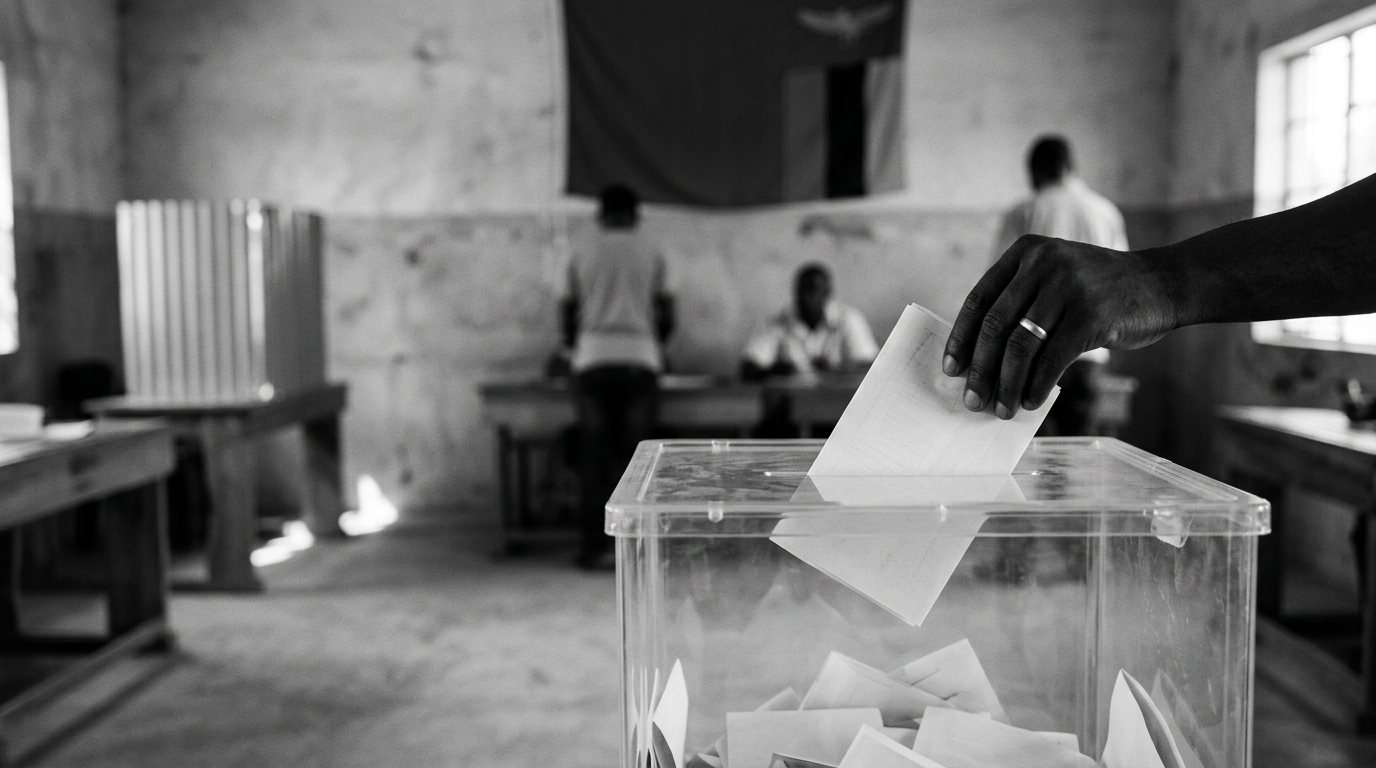
Zambians are set to vote on August 12, 2026, with the government under scrutiny as it manages unfinished debt restructuring talks, elevated inflation and uncertain income tied to copper. Officials said the ballot will be closely watched for signs of whether the administration can keep reforms on track, secure external financing and limit day-to-day price increases.
The election arrives while key economic choices remain constrained by overlapping pressures on public finances and household budgets. Officials and observers said the combination of creditor negotiations, cost-of-living concerns and copper-linked revenue swings has put the reform agenda under a sharper political spotlight.
Debt restructuring remains unresolved ahead of the vote Debt restructuring remains unresolved ahead of the vote Debt negotiations with external creditors are still incomplete Debt negotiations with external creditors are still incomplete, officials said, leaving major fiscal decisions unsettled in the run-up to the election. Observers said the timing and conditions of any eventual restructuring agreement will shape Zambia’s ability to access concessional funding and regain market-based borrowing. They added that uncertainty over the deal can complicate policy planning because it affects how much fiscal space the government may have, and when. With negotiations unfinished, analysts and observers said planning for budgets and spending priorities becomes harder to lock in as political attention shifts toward the election outcome. Inflation pressures and copper volatility raise the stakes Rising consumer prices have reduced household purchasing power, pushing inflation higher on the political agenda for both urban and rural voters, according to the information provided. Officials and observers said the focus on inflation reflects its immediate impact on daily costs and public sentiment during the campaign period.
At the same time, analysts said copper receipts have been volatile. Copper is Zambia’s main source of export earnings, and swings in those revenues can make forecasting and budget preparation more difficult, adding another layer of uncertainty for policymakers.
Officials and observers said these pressures overlap in ways that test the government’s reform effort because they affect both financing decisions and living standards. The combined challenges, they said, are central to the economic debate surrounding the election.
Investors look to post-election signals and the Aug Investors look to post-election signals and the Aug. 14 timeline The election result is expected to influence near-term policy choices, according to officials and analysts cited in the source material. Observers said a government viewed as firmly in place may continue reforms tied to engagement with creditors, while a change in leadership could bring delays or efforts to revisit terms.
Investors are expected to concentrate on statements from the incoming administration and on formal signals from creditor groups, particularly for what they could imply about debt-service schedules and the direction of funding flows. Officials indicated that attention will remain on how quickly the next government clarifies its approach to negotiations and financing.
The source said that if no clear winner is declared by August 14, 2026, creditors could postpone final decisions on restructuring. In that scenario, the source added, investors may reassess the financing outlook, potentially increasing pressure on public finances and the currency.