Iraq Gains Limited Hormuz Access Amid Regional Diversification
Iran has approved specific Iraqi oil tanker transits through the Strait of Hormuz, following diplomatic talks, as Iraq pursues diverse export routes.
Atlas Newsdesk ·
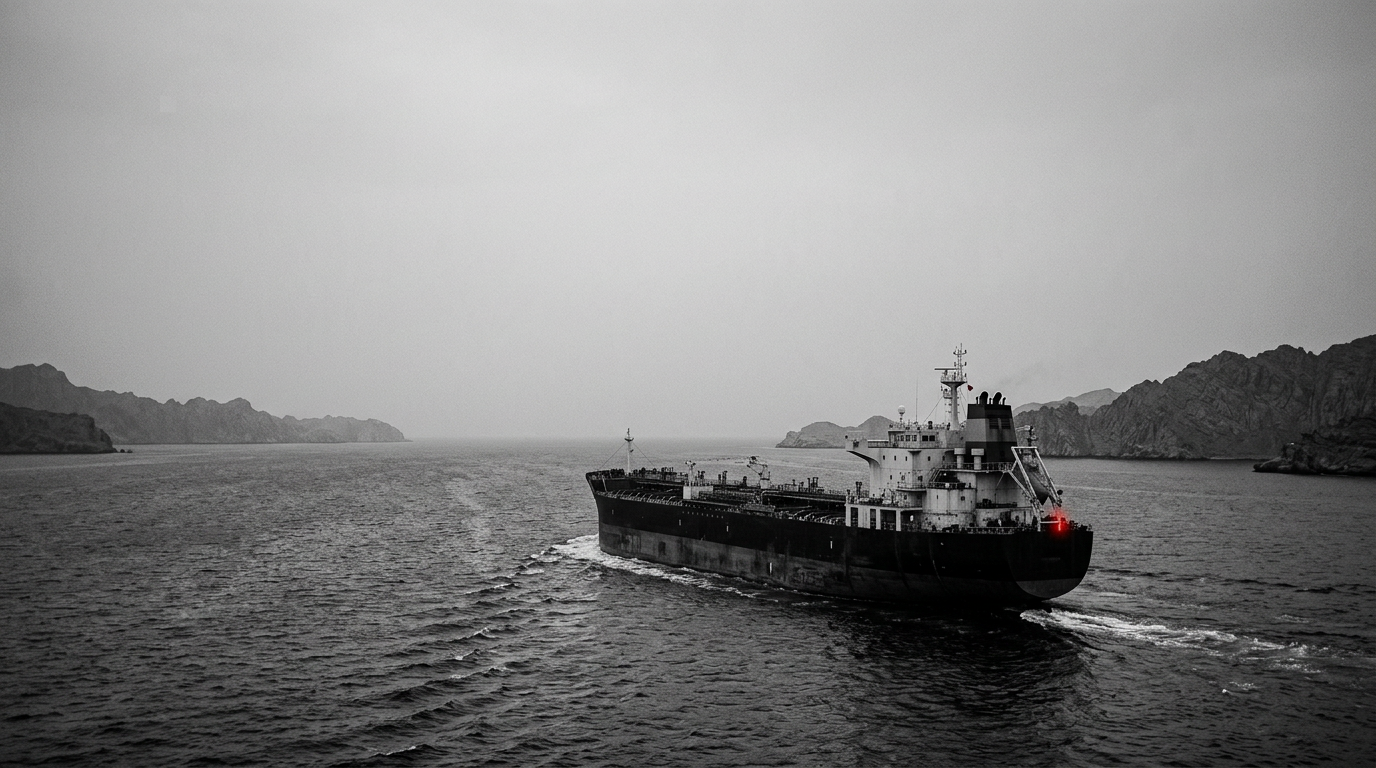
Iran has granted approval for certain Iraqi oil tankers to transit through the Strait of Hormuz, an official confirmation issued by Iranian state media on Saturday. This authorization resulted from diplomatic discussions between Baghdad and Tehran, specifically prompted by a formal request made during Iranian parliament speaker Mohammad Bagher Ghalibaf's recent visit to Iraq. The decision offers Iraq increased maritime access at a time when regional shipping volumes remain considerably below pre-conflict benchmarks, primarily due to ongoing security concerns.
Iraqi President Nizar Amidi acknowledged these newly permitted shipments. He also reiterated Iraq's commitment to ensuring its territory is not utilized for military operations across the broader Middle East. This transit exemption acts as a diplomatic signal, differentiating Iraq from other Gulf nations that Tehran frequently accuses of hosting United States military installations.
Strategic Waterway and Regional Diplomacy
The Strait of Hormuz is a crucial global chokepoint, linking the Persian Gulf to the open ocean and facilitating a significant portion of the world's crude oil shipments. Persistent regional tensions, particularly involving Iran and its neighbors, often raise concerns about potential disruptions to this vital shipping lane. Iran has previously issued threats to close the strait under international pressure.
Despite this specific opening for Hormuz access, Iraq is actively pursuing the development of alternative export infrastructure. The country's objective is to reduce its reliance on the Strait of Hormuz, an area prone to geopolitical instability. Prime Minister Ali al-Zaidi announced that the Iraqi government is expanding its export capacity through the Ceyhan port situated in Turkey.
Diversifying Export Routes for Stability
Further plans are in progress to utilize oil terminals located in Syria and Jordan. These initiatives are considered essential for maintaining the stability of Iraq's oil production and export capabilities. Historically, Iraq's oil output reached approximately 4 million barrels per day before significant disruptions emerged from the current regional conflict.
Enhancing the diversification of export routes is viewed as a critical long-term strategy for Baghdad. This approach aims to safeguard Iraq's vital oil revenues against geopolitical uncertainties and potential transit chokepoints. Iraq's pursuit of multiple export pathways, including pipelines through Turkey, Syria, and Jordan, reflects a broader regional strategy designed to bolster energy security and mitigate vulnerabilities to flashpoints.
This comprehensive strategy also underscores the delicate balance Iraq maintains in its foreign relations, navigating complex alliances and rivalries within the Middle East. The diplomatic gesture from Iran, while limited in scope, indicates a nuanced engagement with Iraq intended to manage and potentially stabilize regional dynamics.