Mideast Oil Flow Snarls Asia-Pacific Economies
Disruptions in Gulf energy and chemical supplies are creating significant economic instability across the Asia-Pacific region due to high import reliance.
Lauren Collins ·
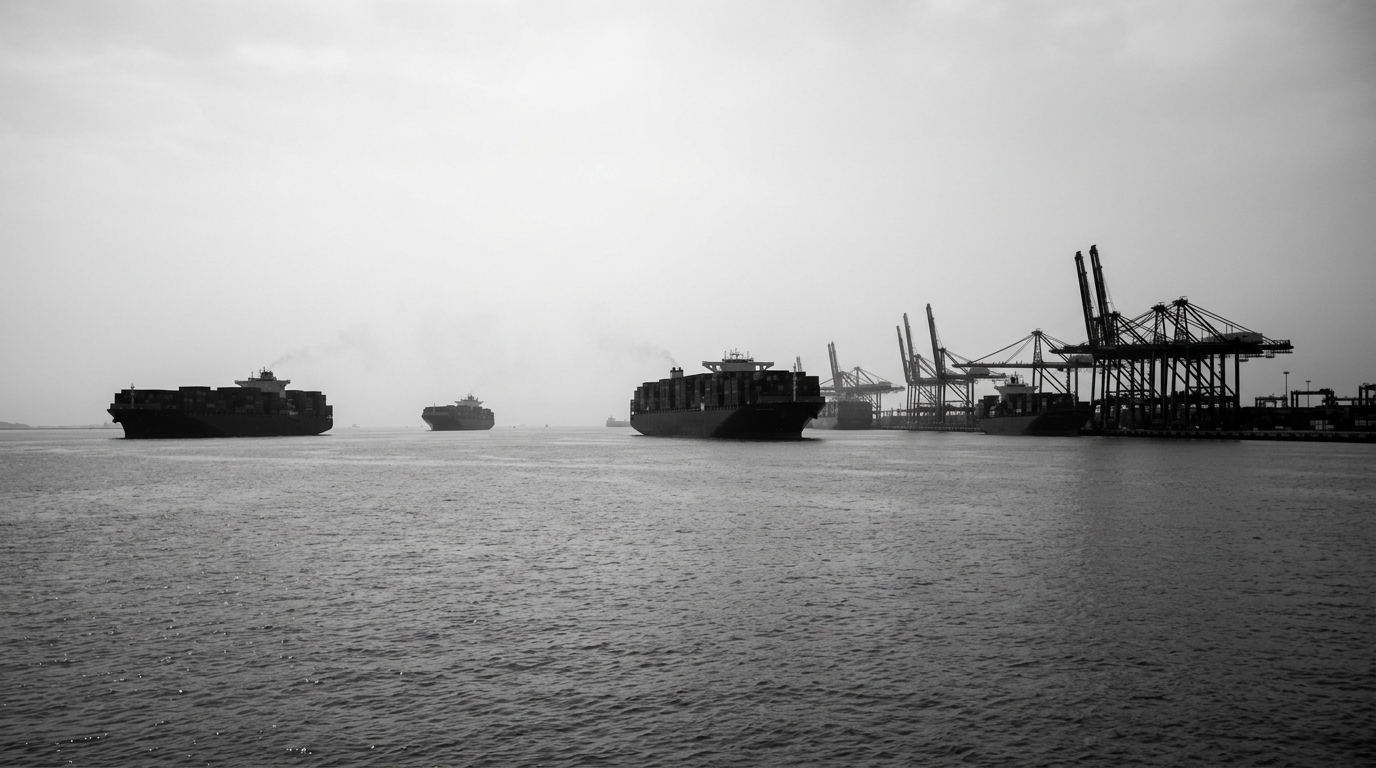
Disruptions to Gulf energy, fertilizer, and chemical feedstock production and transit pose a significant risk to Asia-Pacific economic stability. This is due to concentrated supply, high regional import dependence, and reliance on maritime chokepoints.
Six Gulf states produced 24% of global oil and 9.5% of global gas in 2024. They also supply 15% of global nitrogen fertilizer and 40-50% of global naphtha.
Maritime disruption has severely constrained these flows. Traffic through the Strait of Hormuz decreased by 92% year-on-year as of April 5, 2026.
Asia-Pacific markets accounted for 77% of Qatar’s LNG exports and 43% of refined petroleum exports in 2023-2024. The region also absorbs approximately 15% of Gulf chemical feedstock output.
A two-week ceasefire in the Iran conflict, announced April 8, 2026, did not immediately restore pre-conflict shipping flows. Iran stated it would control transits and levy a toll for passage.
Governments in affected countries have drawn down reserves and are diversifying supply sources. Supply-side controls and demand-suppression measures have also been implemented.
Pakistan, India, Taiwan, and South Korea show the highest exposure to Qatari natural gas supplies. Pakistan, India, Sri Lanka, and Thailand are most exposed to Gulf oil supply disruptions when considering economic stability.
Sri Lanka, Pakistan, and the Philippines exhibit the highest overall vulnerabilities to Gulf-linked energy disruption. This is based on oil imports as a percentage of GDP, current account balance, foreign currency reserves, net energy dependence, and external debt.