Iran airstrikes go unclaimed after US attacks
Unclaimed strikes on Iran added uncertainty after US attacks, with officials stressing that the Strait of Hormuz must stay open.
Mateo Fernandez ·
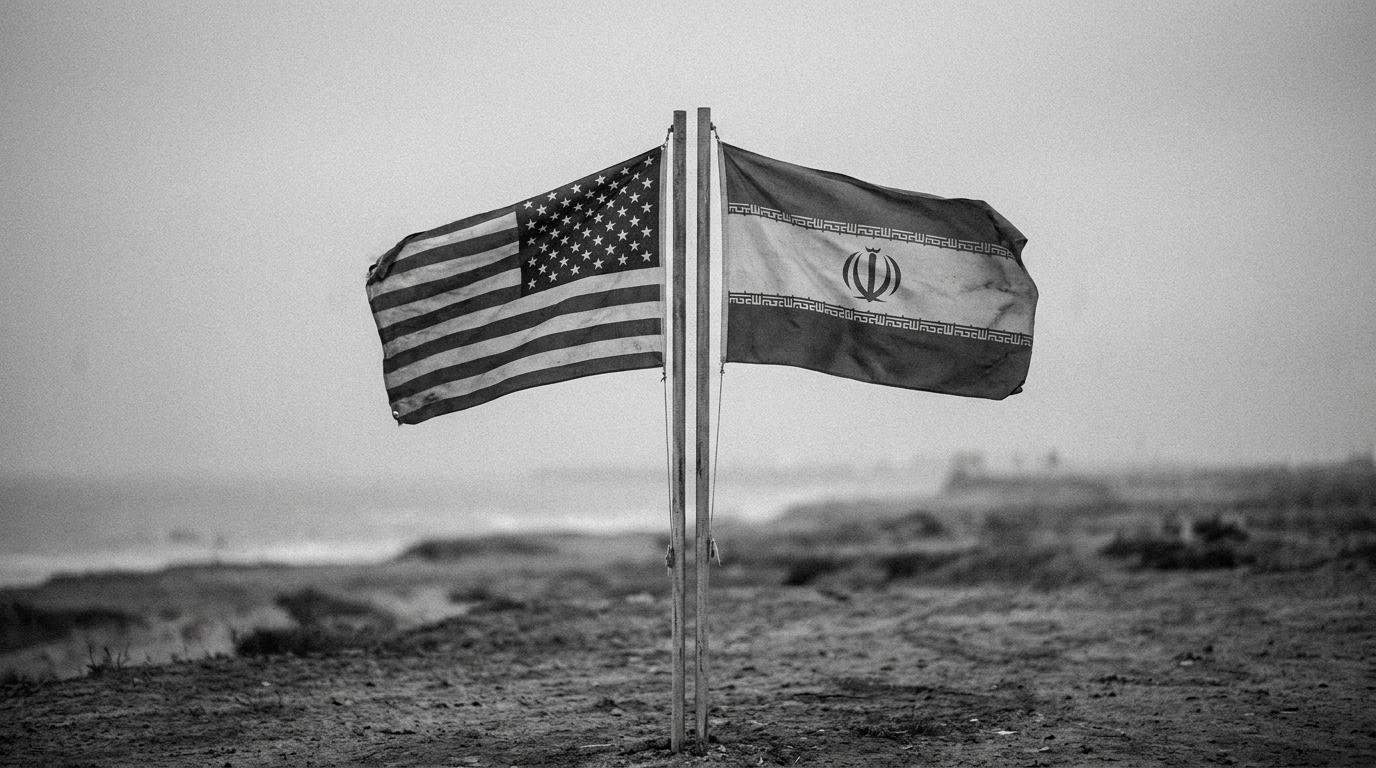
Unclaimed airstrikes targeted Iran after US attacks, adding a new layer of uncertainty to an already volatile confrontation. Reaction pending, with the main market channel running through oil, shipping insurance and the security of traffic near the Strait of Hormuz.
Officials said the waterway must remain open and free for ships to transit. That message matters because Hormuz is the choke point traders immediately focus on when military action around Iran raises the risk of disruption.
Hormuz shipping risk widens
The central question is who launched the latest strikes. Without a claim of responsibility, governments and markets have less clarity on whether the attacks were part of a coordinated campaign, a separate operation or a signal meant to stay deniable.
For the global macro picture, the first-order risk is an energy shock if shipping traffic is impeded or insurers raise costs for vessels crossing the area. That would feed into fuel prices and inflation expectations before any physical shortage appears.
For Iran, the company-level analogue is national energy revenue and export capacity
rather than a single corporate balance sheet.
If the Strait remains open, the immediate damage may be contained
to risk premiums. If transit is threatened, oil buyers, tanker operators and refiners would face higher costs and more complex routing decisions.
For the wider sector, energy producers outside the Gulf could benefit from higher risk pricing, while airlines, shippers and fuel-intensive industries would face pressure. By July 11, 2026, the key test is whether any government claims the strikes or whether naval and commercial traffic through Hormuz shows signs of delay.