Iran vows military response as US prepares potential ground operations near critical oil hubs
Iran warns on US ground plans as Pentagon weighs options near Kharg Island and the Strait of Hormuz, keeping energy-route risks elevated.
Lauren Collins ·
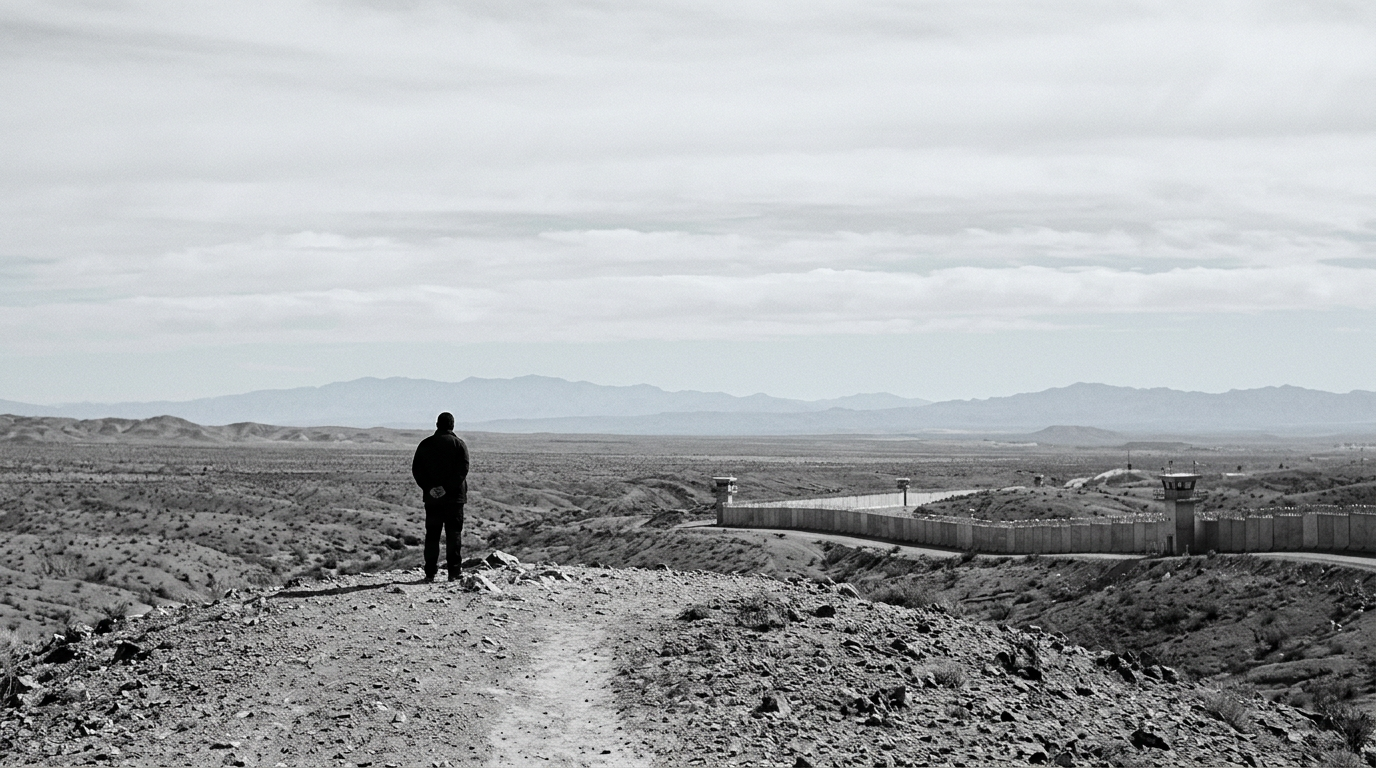
Iran’s leadership has warned the United States that it is prepared to respond if American forces enter Iranian territory, as Washington weighs possible land operations tied to major energy and shipping nodes.
The latest escalation comes as a conflict that began on February 28 moves into its second month, following a joint U.S.-Israeli strike in Tehran on Sunday.
Military signaling and reported planning
Iran’s parliament speaker, Mohammad Bagher Ghalibaf, said Iranian forces are ready to confront U.S. troops on the ground. He also said Iran’s missile capabilities remain on standby.
On the U.S. side, officials have indicated the Pentagon is preparing for potential ground operations inside Iran. The same officials said thousands of U.S. soldiers and marines have arrived in the Middle East.
Oil infrastructure and chokepoints in focus
Contingency concepts described by U.S. officials include scenarios such as seizing Kharg Island, which is identified as Iran’s main oil-export facility. Other options mentioned involve raids on coastal areas near the Strait of Hormuz, framed as efforts to reduce threats to maritime traffic.
Those missions could involve special operations forces as well as conventional infantry, based on the reported planning. U.S. personnel would operate within reach of Iranian defensive systems, increasing the risk of casualties and raising the chance of wider escalation.
Diplomacy runs alongside military preparations
Regional diplomacy is also underway, with Pakistan hosting a meeting that includes Saudi Arabia, Turkey, and Egypt. Separately, the United States previously presented Iran with a 15-point ceasefire proposal that included reopening the Strait of Hormuz and placing limits on Iran’s nuclear program.
Tehran rejected that proposal, and the available information does not say whether new terms are being negotiated. That leaves unclear how quickly diplomacy could affect military planning or whether any ground operation will be authorized.
Wider regional involvement and energy-market sensitivity
Signs of broader regional participation have also emerged from Yemen’s Iran-aligned Houthi movement, which launched missiles at Israel for the first time since the conflict began. That development adds attention to the Bab el-Mandeb strait, described as a key route for global oil trade.
With the Strait of Hormuz and Bab el-Mandeb both highlighted in the current reporting, the immediate issue for markets is not only the fighting itself but the security of maritime corridors used by energy and commercial shipping. Governments, insurers, and energy-market participants face elevated uncertainty as multiple actors operate across the region.