Mojtaba Khamenei Assumes Iran's Supreme Leadership
Mojtaba Khamenei, 56, assumed Iran's Supreme Leadership on March 16, 2026, following his father's death, amidst regional conflicts.
Lauren Collins ·
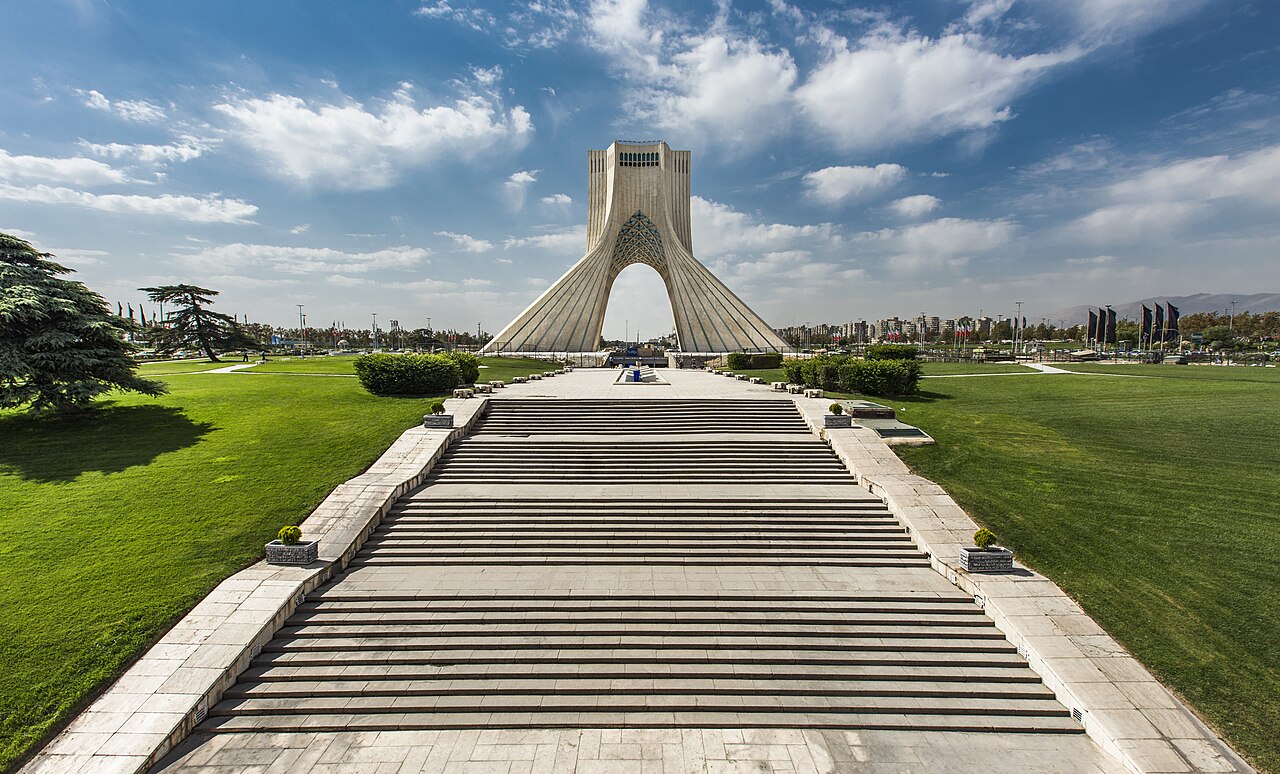
Mojtaba Khamenei, 56, has been confirmed as Iran's new Supreme Leader, a pivotal development in the nation's political landscape. His ascension on March 16, 2026, follows the passing of his father, Ayatollah Ali Khamenei, on February 28, 2026. This leadership transition unfolded amidst heightened regional tensions, including ongoing conflicts with the United States and Israel, underscoring the strategic importance of the succession.
The selection process was managed by the 88-member Assembly of Experts, an influential body responsible for choosing and overseeing the Supreme Leader. The internal deliberations were marked by significant factional divisions, reflecting a broader struggle for influence within the Islamic Republic. Hardline elements within the political establishment, including key figures from the Revolutionary Guards, strongly advocated for Mojtaba Khamenei.
These hardline factions, reportedly including General Ahmad Vahidi and General Mohammad Bagher Ghalibaf, prioritized continuity in Iran's domestic and foreign policy. Their support for Mojtaba Khamenei signaled a desire to maintain the existing trajectory, particularly in confronting external challenges. This stance contrasted with that of more moderate figures, such as Ali Larijani and President Masoud Pezeshkian.
Moderate voices within the Assembly of Experts reportedly favored alternative candidates, including former President Hassan Rouhani or Hassan Khomeini, the grandson of the Islamic Republic's founder. Their preference leaned towards a leader perceived as less polarizing, potentially fostering greater internal unity and a different approach to international relations. However, the hardline position ultimately prevailed.
The Assembly of Experts commenced its virtual proceedings on March 3, a date that coincided with an Israeli airstrike on the assembly's headquarters in Qom. This external event likely intensified the internal dynamics and the urgency of the succession decision. Despite his father not having publicly designated him as a successor, Mojtaba Khamenei secured the required two-thirds majority vote from the assembly members.
This outcome suggests a collective decision by the Assembly of Experts to endorse a leader who is expected to uphold the established political and foreign policy direction of the Islamic Republic. The choice reflects a prevailing sentiment within the influential body to maintain stability and a consistent approach, especially in response to the complex geopolitical pressures facing Iran.
The new leadership is anticipated to continue navigating the country through its current domestic and international challenges, with potential implications for regional stability and global energy markets.
Implications
Country Impact: Iran's domestic policy is likely to maintain its current hardline orientation, potentially leading to continued internal political consolidation. The succession could also influence the balance of power between various factions within the government and military.
Industry Impact: The energy sector, particularly oil and gas, could experience continued volatility due to potential shifts in Iran's foreign policy and its relationship with international sanctions. Defense industries may see sustained investment given the ongoing regional conflicts.
Market Impact: Global oil prices may react to perceived changes in Iranian foreign policy or regional stability. Investor confidence in the Middle East could be affected by the new leadership's stance on international relations and nuclear negotiations.