F1 Cancels Bahrain, Saudi Races for 2026 Season
Formula 1 has canceled the Bahrain and Saudi Arabian Grand Prix races for the 2026 season due to Middle East security concerns.
Lauren Collins ·
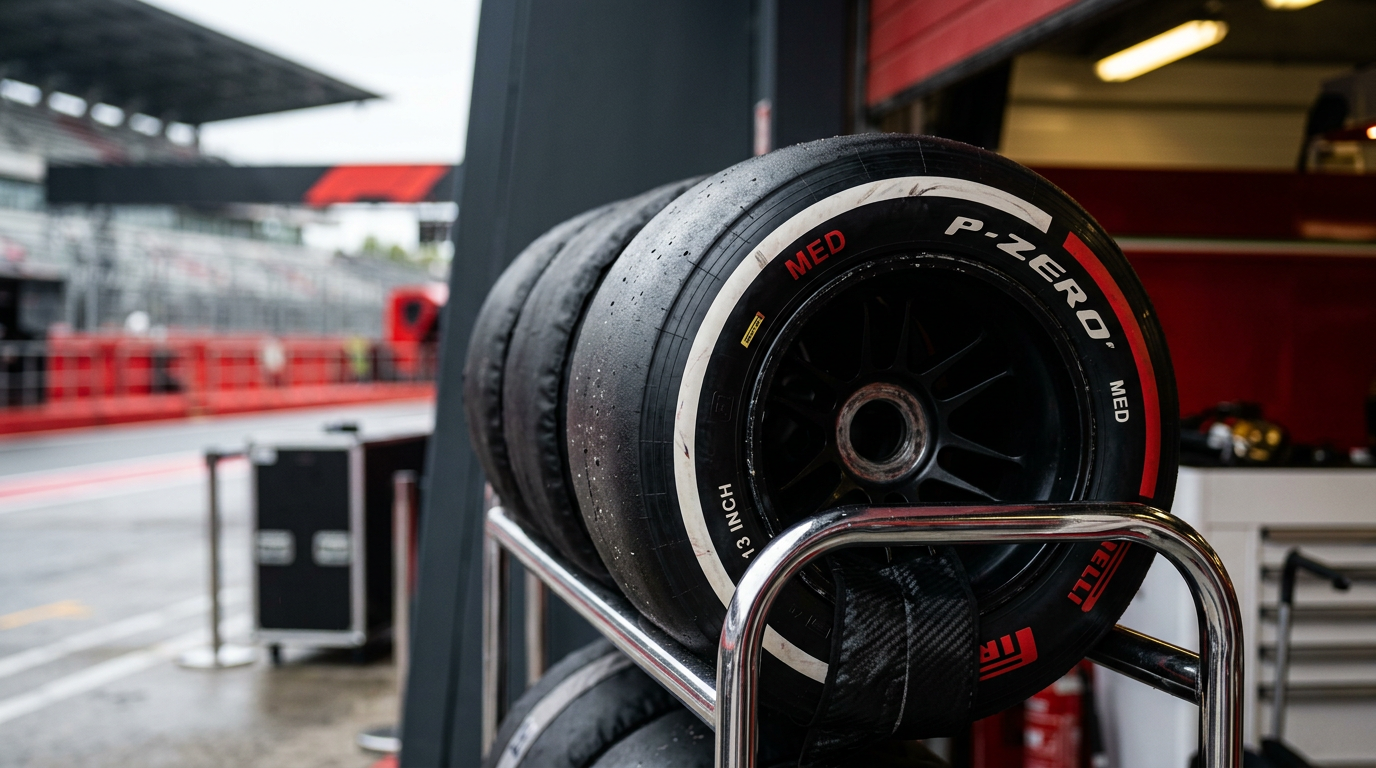
Formula 1 has removed the Bahrain and Saudi Arabian Grand Prix events from its 2026 racing calendar. This decision, announced recently, reduces the total number of races for the season from 24 to 22. The cancellations directly impact the early phase of the 2026 championship.
The primary justification for this alteration to the racing schedule is the prevailing geopolitical instability in the Middle East. Concerns regarding safety and security for participants, staff, and spectators led to the decision by Formula 1 officials. This move underscores how regional conflicts can significantly disrupt major international sporting competitions.
Impact on the 2026 Season
Originally slated for April 2026, both the Bahrain and Saudi Arabian races were key components of the initial championship rounds. Their removal necessitates a restructuring of the early season logistics and planning for all Formula 1 teams and organizers. The revised calendar will now feature 22 events, condensing the competitive schedule.
Economic and Logistical Repercussions
The cancellation carries substantial financial implications for both Formula 1 and the host nations. Expected revenue streams from ticket sales, corporate sponsorships, and broadcasting rights will be forfeited. This loss affects the financial planning of the sport and the economic benefits typically accrued by the host regions.
Teams are also required to adjust their operational and travel itineraries to accommodate the shortened season. This involves re-evaluating logistical arrangements, personnel deployment, and equipment transport for a revised 22-race championship. The financial and operational adjustments highlight the interconnectedness of global events and international sports.
Geopolitical Context and Precedent
The decision to cancel these high-profile events reflects a broader trend where geopolitical tensions directly influence international sporting and cultural gatherings. Prioritizing safety and security is a paramount concern for event organizers, particularly in regions experiencing heightened instability. This approach aims to mitigate risks associated with large-scale public events in volatile environments.
Historically, major sporting events have faced disruptions due to political unrest, health crises, or security threats. The current situation in the Middle East serves as a contemporary example of how such factors can necessitate significant changes to global schedules. The cancellations demonstrate a proactive measure by Formula 1 to navigate complex international relations.
Outlook for Future Events
While the 2026 season will proceed with a reduced number of races, the long-term implications for Formula 1's presence in the Middle East remain a subject of ongoing assessment. The region has become an increasingly important market for the sport, hosting multiple Grand Prix events. Future decisions will likely depend on the evolving security landscape and regional stability.
The condensed 2026 calendar will present new challenges and opportunities for teams and broadcasters. The focus will now shift to optimizing the remaining 22 races to maintain competitive integrity and fan engagement. The cancellations serve as a stark reminder of the external factors that can influence even the most globally recognized sporting spectacles.
Implications
Country Impact: The cancellations will result in significant economic losses for Bahrain and Saudi Arabia, impacting revenue from tourism, hospitality, and local businesses that typically benefit from hosting such large-scale international events.
Industry Impact: The global sports industry, particularly Formula 1, faces revenue shortfalls from lost ticket sales, sponsorships, and broadcasting rights. Teams must also adjust logistical and operational planning for a condensed season.
Market Impact: While direct market impact is limited, the decision highlights how geopolitical instability can disrupt major international events, potentially influencing investor sentiment towards regions perceived as volatile for large-scale investments.