India Defies Hague Ruling Over Indus Waters Treaty Dispute
India has rejected a Hague tribunal ruling to uphold the 1960 Indus Waters Treaty, citing lack of jurisdiction, escalating water dispute with Pakistan.
Atlas Newsdesk ·
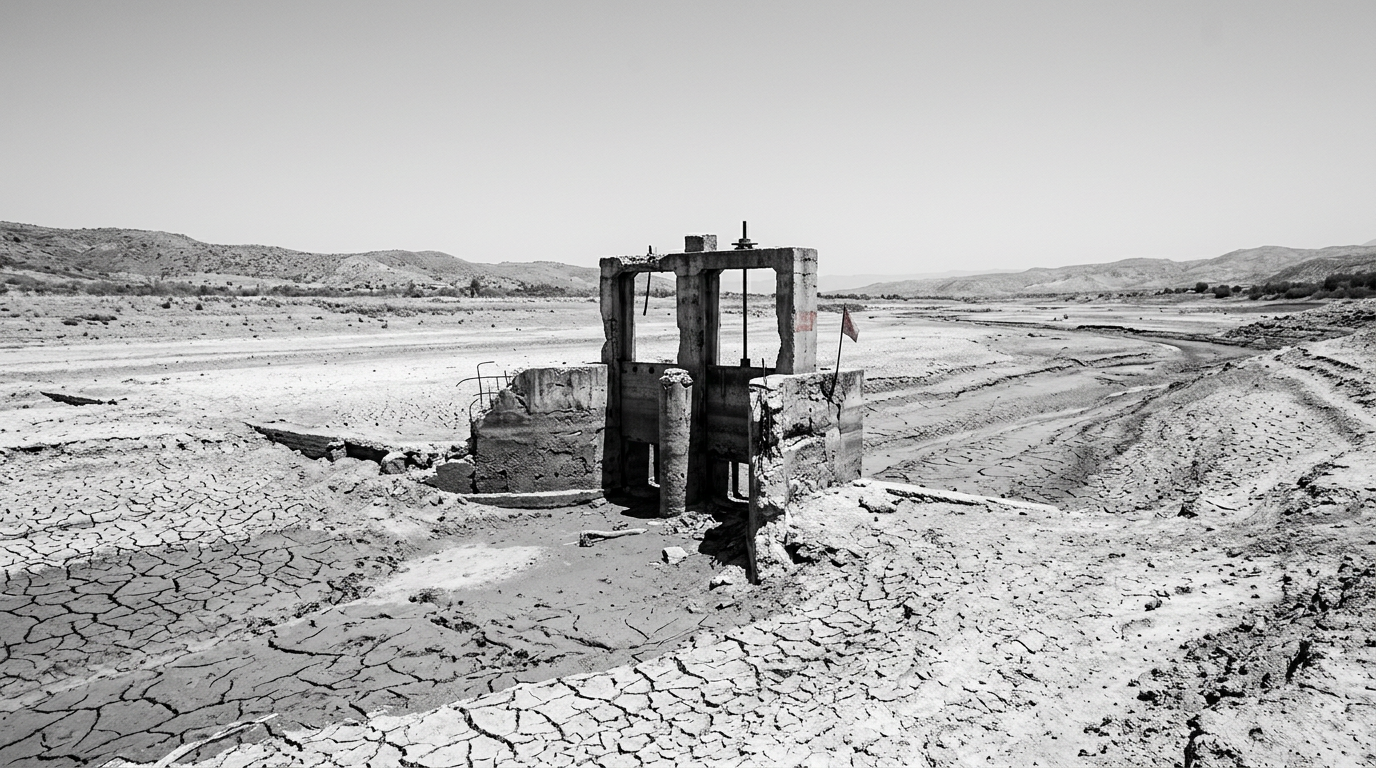
India has formally rejected a directive from the Permanent Court of Arbitration in The Hague concerning the 1960 Indus Waters Treaty with Pakistan. The Ministry of External Affairs in New Delhi declared on August 31, 2026, that the tribunal lacks the authority to intervene in India's sovereign decisions, thereby dismissing its mandate to reinstate the water-sharing agreement.
This refusal marks a significant escalation in the ongoing dispute over shared transboundary resources, which began to intensify in early 2025.
The core of the disagreement arose in April 2025, when India unilaterally suspended the long-standing treaty. This action followed a deadly attack at a tourist location in Kashmir, which Indian authorities attributed to perpetrators from Pakistan.
Islamabad has consistently denied any involvement in the incident. The tribunal's decision, issued recently, reaffirmed the binding nature of the Indus Waters Treaty and called for a halt to specific construction activities at the Ratle Hydro-Electric Plant, situated in Kashmir.
This pause is intended to last until a final determination is made by a World Bank-appointed expert, a decision anticipated by July 2027.
Long-Standing Treaty and Regional Stability
The Indus Waters Treaty, brokered by the World Bank, has been a critical framework governing the sharing of six rivers between India and Pakistan since 1960. It allocates the waters of the Beas, Ravi, and Sutlej rivers to India, while the Indus, Jhelum, and Chenab rivers are largely designated for Pakistan.
The treaty is widely considered one of the most successful water-sharing agreements globally, having survived multiple conflicts and periods of high tension between the two nuclear-armed neighbors.
For Pakistan, the treaty is particularly vital, as the waters covered by the agreement support approximately 80 percent of its agricultural land. Any disruption to this flow or the agreed-upon sharing mechanisms could have profound economic and food security implications for the nation. While Pakistan has signaled its readiness to engage with the interim measures proposed by the tribunal, India's outright rejection suggests a path toward independent action regarding its hydroelectric projects.
Implications for International Arbitration
The current standoff poses a considerable challenge to the efficacy of international arbitration in resolving disputes over shared natural resources, particularly in geopolitically sensitive regions. India's stance underscores a growing trend among some nations to assert sovereignty over international legal rulings they deem outside their jurisdiction. This approach could weaken the framework for peaceful dispute resolution, potentially encouraging more unilateral actions.
The continued operation of the Ratle Hydro-Electric Plant, despite the tribunal's interim order, reflects India's determination to proceed with its infrastructure development plans. The situation is expected to maintain high regional tensions, prompting observers to closely monitor diplomatic efforts and any further legal or political maneuvers by either nation in the coming months.