Ben-Gvir's Al-Aqsa Visit Sparks Condemnation, Status Quo Concerns
Israeli National Security Minister Itamar Ben-Gvir entered the Al-Aqsa Mosque compound, performing prayers and challenging the site's delicate status quo.
Atlas Newsdesk ·
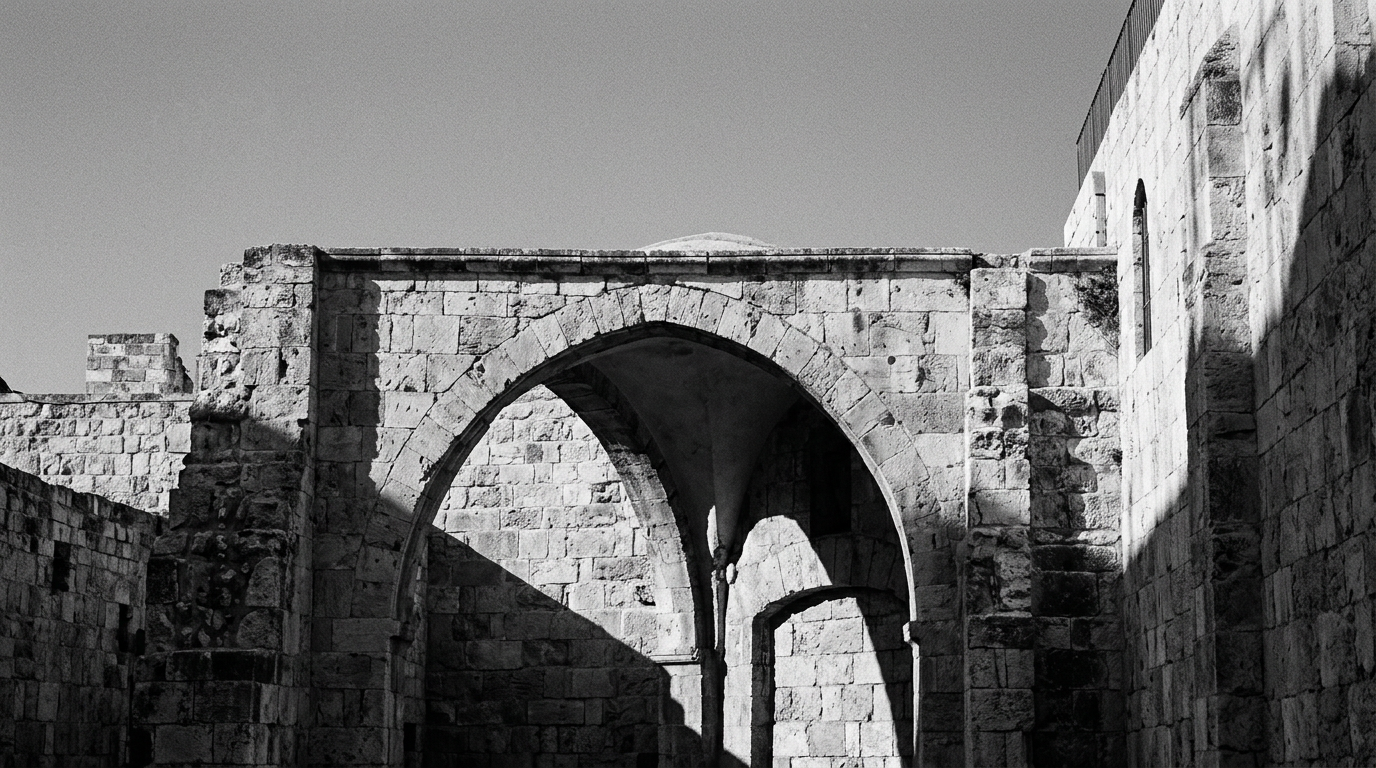
Israeli National Security Minister Itamar Ben-Gvir visited the Al-Aqsa Mosque compound in occupied East Jerusalem on Monday, accompanied by security personnel and religious figures. During his visit, Ben-Gvir engaged in Talmudic prayers, an action that directly challenges the established 'status quo' governing the holy site.
The Al-Aqsa Mosque compound, recognized as the third-holiest site in Islam, operates under an agreement dating back to 1967. This arrangement permits non-Muslims to visit the area but strictly prohibits them from conducting any religious rituals. Ben-Gvir, who leads the Jewish Power party, has consistently advocated for changes to these regulations, including proposals for the potential construction of a Jewish temple at the site.
Security and Access Controls
Israeli security forces facilitated the minister's entry and maintain overall control over access to the compound. This control has been a point of contention, particularly given the historical context of the site. Since 2003, Israeli police have allowed daily visits by settlers, with the exception of Fridays and Saturdays. These visits frequently coincide with increased restrictions imposed on Palestinian worshippers, further heightening tensions.
The Palestinian authorities swiftly condemned Ben-Gvir's actions, characterizing the event as a dangerous escalation. They described it as a deliberate attempt to alter the Islamic identity of the compound, a narrative that resonates deeply within the Palestinian community and the broader Muslim world. Such visits often ignite widespread protests and can destabilize regional security.
Broader Context and Historical Significance
The Al-Aqsa Mosque compound, known to Jews as the Temple Mount, holds immense religious significance for both Muslims and Jews. Its control and access have been central to the Israeli-Palestinian conflict for decades. The 1967 status quo agreement, while aimed at maintaining peace, has been repeatedly tested by political and religious figures.
This incident unfolds during a period of increased religious activity in Jerusalem, with thousands participating in prayers at the adjacent Western Wall. The timing of Ben-Gvir's visit, coupled with his stated intentions regarding the site, amplifies concerns about potential for unrest and challenges to the delicate balance maintained by international agreements and understandings. International observers often highlight such actions as potential catalysts for wider regional instability.
Reactions and Future Implications
The condemnation from Palestinian authorities signals a predictable response from regional actors and international bodies concerned with the preservation of holy sites and international law. Any perceived change to the status quo at Al-Aqsa has historically led to strong diplomatic reactions and sometimes violent confrontations.
The ongoing debate over access and sovereignty continues to be a critical flashpoint in the broader Israeli-Palestinian dynamic. Future actions by political leaders regarding this site will be closely watched for their potential to either exacerbate or de-escalate tensions.