India payments debate tests BRICS currency ambitions again
RBI Governor Sanjay Malhotra said India is seeking cheaper cross-border payments and broader rupee settlement while BRICS studies faster transfer links.
Atlas Newsdesk ·
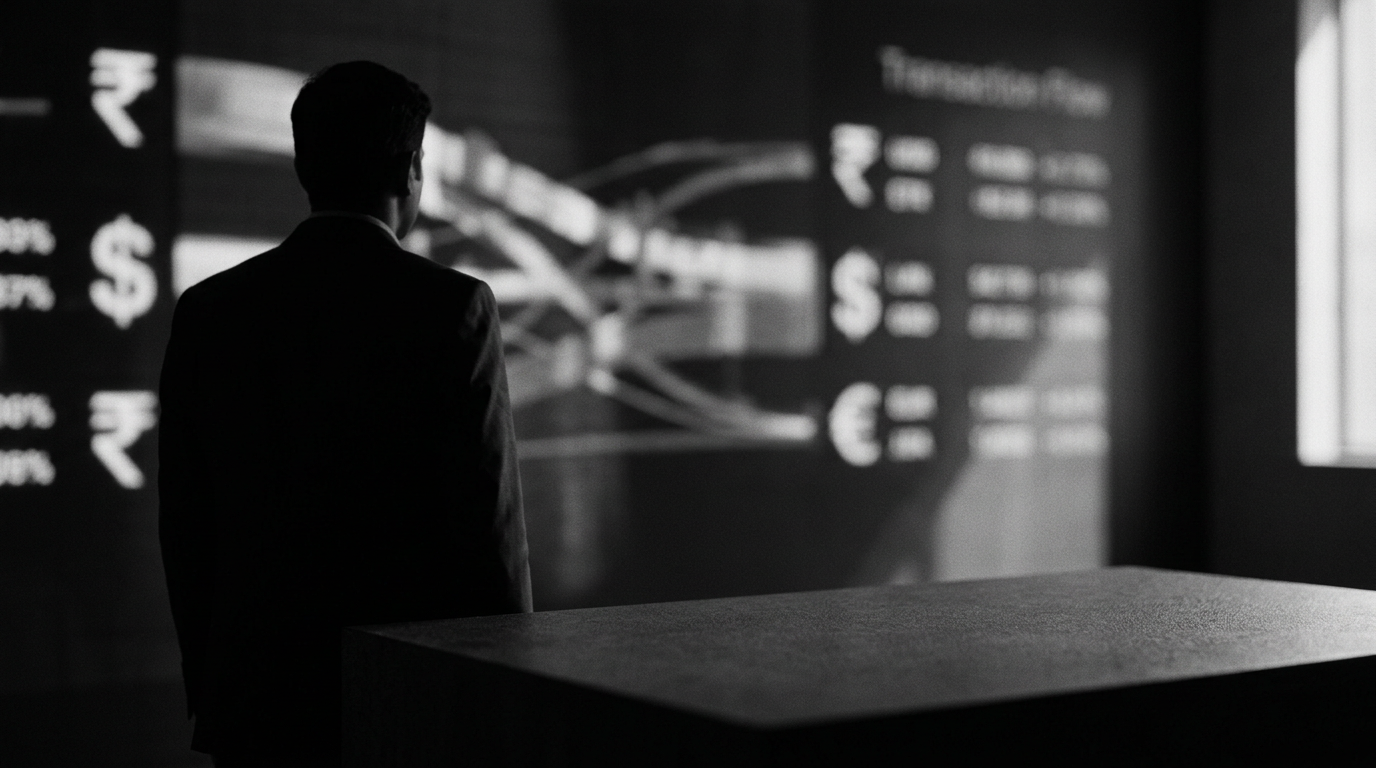
India payments policy is targeting lower cross-border costs as the Reserve Bank of India weighs options in the 11-nation BRICS forum.
Reserve Bank of India Governor Sanjay Malhotra said at a banking event in Mumbai on Tuesday that discussions include central bank digital currencies and links between fast-payment systems. The options remain at the discussion stage, he said, leaving open which technology or agreements might be used first.
BRICS talks stay exploratory
BRICS has expanded from its five original members, Brazil, Russia, India, China and South Africa, to 11 nations, giving payment policy a wider diplomatic setting. India holds the bloc’s presidency this year, and Malhotra framed the work around cheaper and faster settlement rather than a shared currency.
Commerce and Industry Minister Piyush Goyal said on Friday in Jaipur that India does not support a common BRICS currency plan. President Trump has warned that countries involved in such a project could face tariffs, making the currency issue a political risk as well as a monetary one.
Rupee settlement remains small
India is already using the rupee in trade settlement with some partners, but Malhotra said the volumes remain limited and need to grow. That effort sits alongside India’s broader attempt to reduce friction in cross-border payments, especially for retail transfers where fees and delays matter most to households and small firms.
The RBI has agreements with central banks in the UAE, Mauritius, Maldives and Indonesia to encourage importers and exporters to use local currencies. Malhotra said the central bank is working on more such pacts and will continue efforts to internationalize the rupee.
Banks face cheaper transfer pressure
The practical case for faster payment links is strongest in lower-value transactions, where fixed charges can take a larger share of the transfer. If real-time domestic payment systems are connected across borders, banks and payment providers would have to adapt pricing, compliance checks and settlement processes to faster rails.
If the technical talks advance first, the global macro effect would likely be narrow and corridor-specific: settlement times could fall and demand for dollar liquidity in those routes could ease at the margin. For the RBI, that path would create another instrument for rupee use; for banks and payment companies, it would raise pressure to offer cheaper cross-border services without weakening anti-money-laundering controls.
If political debate over a BRICS currency dominates instead, India’s stated opposition points to a slower and more cautious route. Under that scenario, the dollar’s role in trade finance would be less directly tested, the RBI would focus on bilateral currency arrangements, and the payments industry would keep building country-by-country links rather than a bloc-wide system.
The main open question is which central banks join India’s next local-currency agreements and whether businesses use them in enough volume to change settlement habits. For now, the clearest signal from Malhotra is that India wants faster and cheaper cross-border payment plumbing, while keeping distance from a common BRICS currency.