Pakistan Protests US Official's Kashmir Remarks
Pakistan lodged a formal protest with the US after a senior American official called Indian-administered Jammu and Kashmir "an important part of India."
Lauren Collins ·
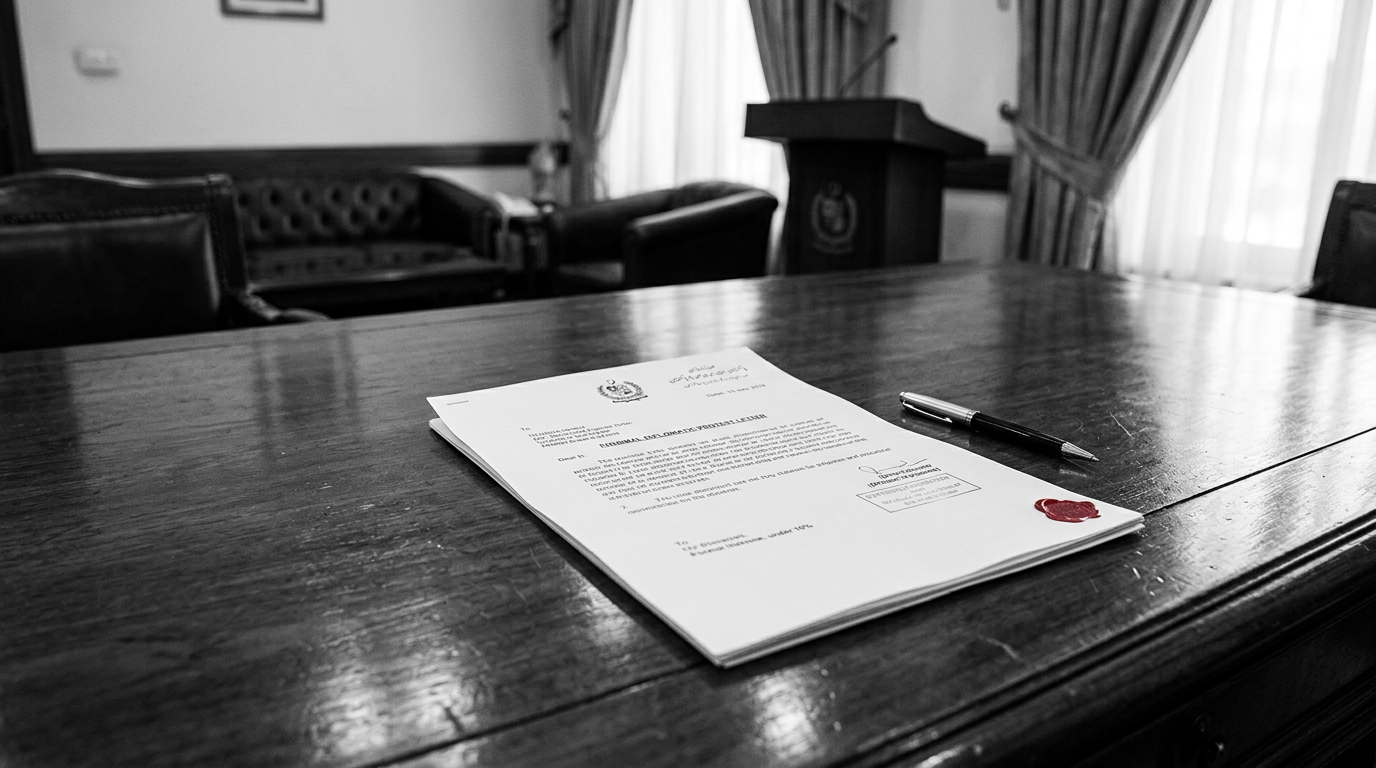
Islamabad has formally protested comments made by a high-ranking American official who referred to Indian-administered Jammu and Kashmir as a crucial component of India. This diplomatic demarche from Pakistan signifies its concern over what it perceives as a departure from the United States' customary neutral stance on the contentious territory. The incident occurred during the inaugural visit of a US ambassador to the region in six years.
US Envoy's Statement and Pakistan's Response
On August 19, US envoy Sergio Gor made the remarks to reporters in Srinagar, affirming the status of Indian-administered Jammu and Kashmir. Following this, Pakistan summoned Natalie Baker, the senior US diplomat stationed in Islamabad, to formally convey its strong objections to the comments. This diplomatic action highlights the deep sensitivity surrounding the Kashmir dispute.
The Himalayan region of Kashmir remains a central point of contention between India and Pakistan. Both nuclear-armed nations maintain competing claims over the entire territory, which has been a persistent source of geopolitical instability since their independence and subsequent partition in 1947. This enduring dispute has historically led to three significant conflicts between the two countries. Islamabad views Washington's recent statement as potentially undermining its long-held position and emboldening India's territorial claims.
Diplomatic Ramifications and Regional Balance
The statement by the US official complicates Washington's intricate diplomatic efforts to maintain strategic partnerships with both India and Pakistan. Historically, the United States has adopted a neutral diplomatic position on Kashmir, aiming to avoid alienating either nation and preserving its potential role as a mediator in the long-standing dispute. Any perceived alteration in international recognition of the territory's status carries substantial implications for the existing regional security framework.
Policy analysts will closely monitor how this recent incident might influence future diplomatic engagements between Washington and Islamabad. Potential shifts in regional security cooperation, especially concerning joint counter-terrorism initiatives and broader strategic alliances, are critical areas requiring attention as the situation unfolds. The US government has not yet issued a public clarification or retraction regarding Gor's comments, leaving the diplomatic fallout open to further interpretation and potential long-term consequences for its South Asian foreign policy.
The incident underscores the fragility of the regional balance and the sensitive nature of external statements on the Kashmir issue. The lingering dispute has shaped decades of foreign policy for both India and Pakistan, with global powers often carefully treading a diplomatic line to avoid exacerbating tensions. International observers will be watching for any further communication from the US government that might clarify or adjust its position on the matter.