Solar Dominates Global Energy Growth Amid Slowing Demand
Solar led global energy supply growth in 2025, the IEA said on April 19, 2026, as demand rose 1.3% and electricity use climbed about 3%.
Atlas Newsdesk ·
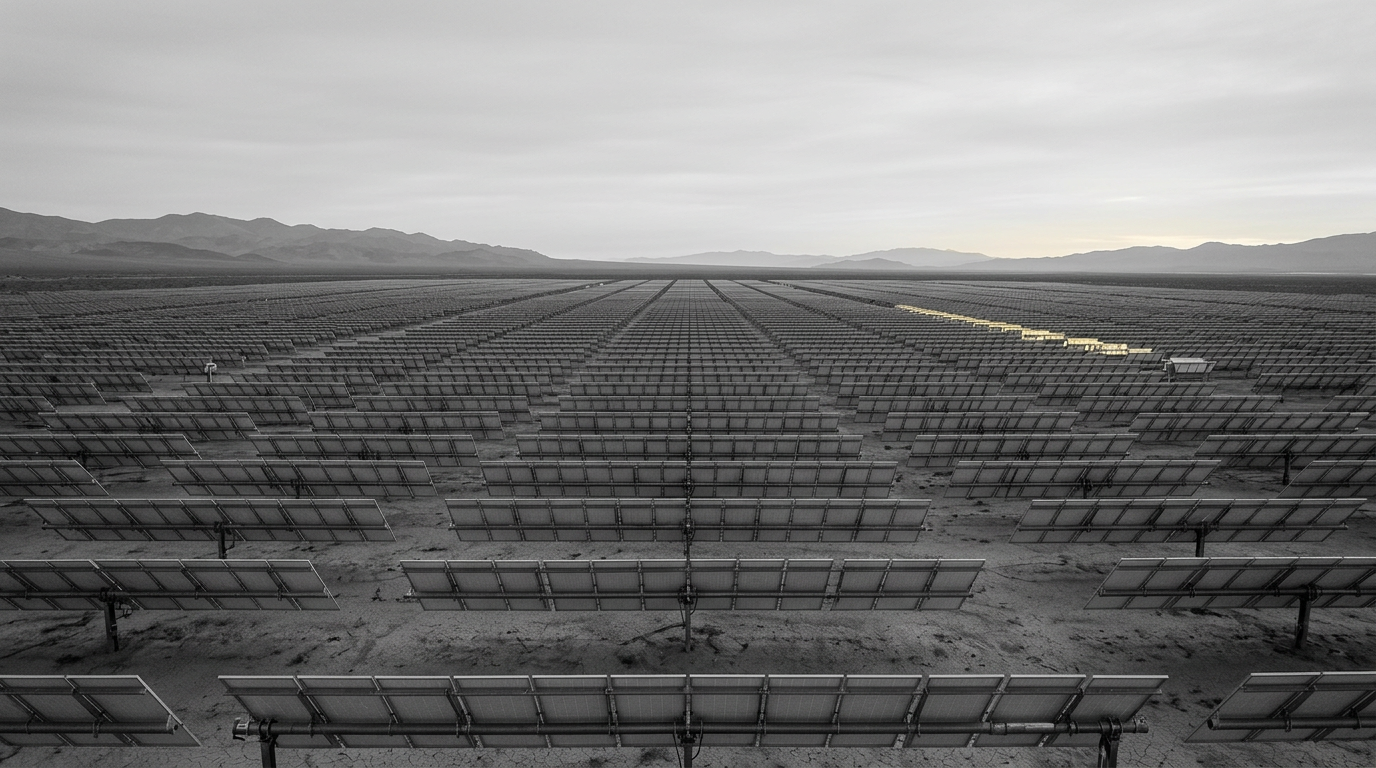
Solar power became the biggest driver of global energy supply growth in 2025 , according to an International Energy Agency (IEA) report dated April 19, 2026. The IEA said this was the first time a modern renewable energy source led overall supply growth, a milestone that arrived as total global energy demand expanded more slowly than in prior periods.
The IEA reported that global energy demand rose by 1.3% in 2025 . It attributed the slower pace to weaker economic growth, milder weather, and gains in energy efficiency. Even with that moderation, the report described a sharp divergence between overall energy demand and electricity use.
Global electricity demand increased by about 3% in 2025 , the IEA said. The agency linked the rise to broader electrification in buildings and industry, higher electric vehicle (EV) adoption, and growing power consumption from data centers. The report framed these trends as key forces reshaping the composition of energy demand, with electricity growing faster than total energy use.
On the supply side, the IEA said solar accounted for over 25% of the total increase in energy supply in 2025, placing it ahead of other sources. Natural gas was the next-largest contributor at 17% , the report said. The IEA also stated that renewables and nuclear power together met nearly 60% of the growth in energy demand, a combined contribution it said was larger than the total increase in electricity demand.
The report also detailed changes in oil and transport indicators. The IEA said oil demand grew by 0.7% in 2025, while EV sales rose by more than 20% to over 20 million vehicles . The agency presented the EV expansion as a factor influencing oil demand growth during the year.
On emissions, the IEA reported that global energy-related CO2 emissions increased by about 0.4% in 2025. It said China’s emissions declined as renewables expanded, while India’s emissions were flat. The IEA also reported that emissions in advanced economies rose by 0.5% , and that this increase exceeded emissions growth in emerging and developing economies for the first time since the 1990s.
In power-sector metrics, the IEA said solar generation rose by about 600 terawatt-hours in 2025, calling it the largest annual increase recorded for any power technology. It also reported that battery storage capacity grew by 110 gigawatts . The agency did not specify in the report summary how these additions were distributed by region, leaving uncertainty about which markets contributed most to the year’s gains.