Idemitsu Maru Tries Hormuz Transit With Saudi Oil
Idemitsu Maru is attempting a Strait of Hormuz transit on April 28 with 2 million barrels of Saudi oil, amid war-driven shipping disruptions.
Lauren Collins ·
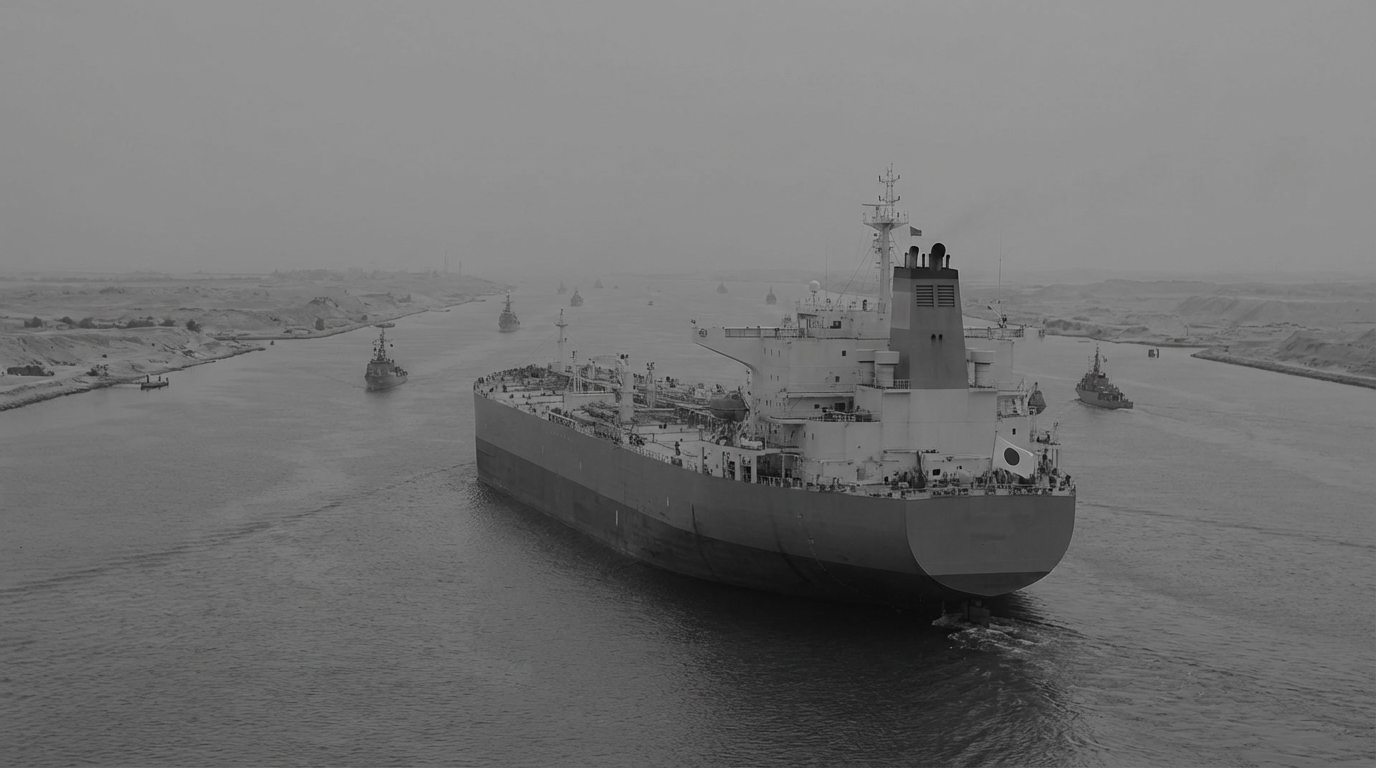
The Panama-flagged tanker Idemitsu Maru, loaded with 2 million barrels of Saudi oil, was attempting to pass through the Strait of Hormuz on Tuesday, April 28, according to LSEG shipping data.
The vessel is managed by a unit of Japanese refiner Idemitsu Kosan and was positioned to become the first Japan-linked crude tanker to make the transit since the Iran war began on February 28, 2026.
Shipping data shows sharply reduced traffic in the strait
The attempted crossing comes as Middle East crude oil and liquefied natural gas flows remain disrupted by the conflict, complicating supply routes that have been central to Japan’s energy system.
Before the war, between 125 and 140 ships typically moved through the Strait of Hormuz each day. Over the past 24 hours, only two other vessels were recorded making the passage: a general cargo ship and a sanctioned LPG tanker.
Japan-linked tankers have had limited recent crossings
Officials have not announced any change in Japan’s diplomatic push to secure energy supplies, but the war has made those efforts more difficult, the report said.
Earlier in April, a Japanese co-owned LNG tanker and an LPG tanker were able to cross the strait, offering limited evidence that some voyages are still proceeding despite the broader disruption.
U.S. stance and market timelines add uncertainty
U.S. President Donald Trump said he was unhappy with Iran’s latest proposal aimed at ending the two-month conflict, reducing expectations for a near-term breakthrough.
Shipping broker BRS said that even if the Strait of Hormuz were to reopen immediately, tanker and oil markets would not return to normal until at least September.
Idemitsu Maru location and movement
LSEG shipping data showed the Idemitsu Maru about 30 kilometers (18.6 miles) east of Larak Island, moving eastward with its Automatic Identification System switched on.
The vessel’s progress is being closely watched as a test of whether Japan-linked crude shipments can resume regular transits through a corridor that has seen an abrupt collapse in traffic since late February.