Icelandic Voters Reject Renewed EU Accession Talks
Icelandic voters rejected resuming EU accession negotiations on August 30, 2026, challenging the government's integration efforts amid economic instability.
Lauren Collins ·
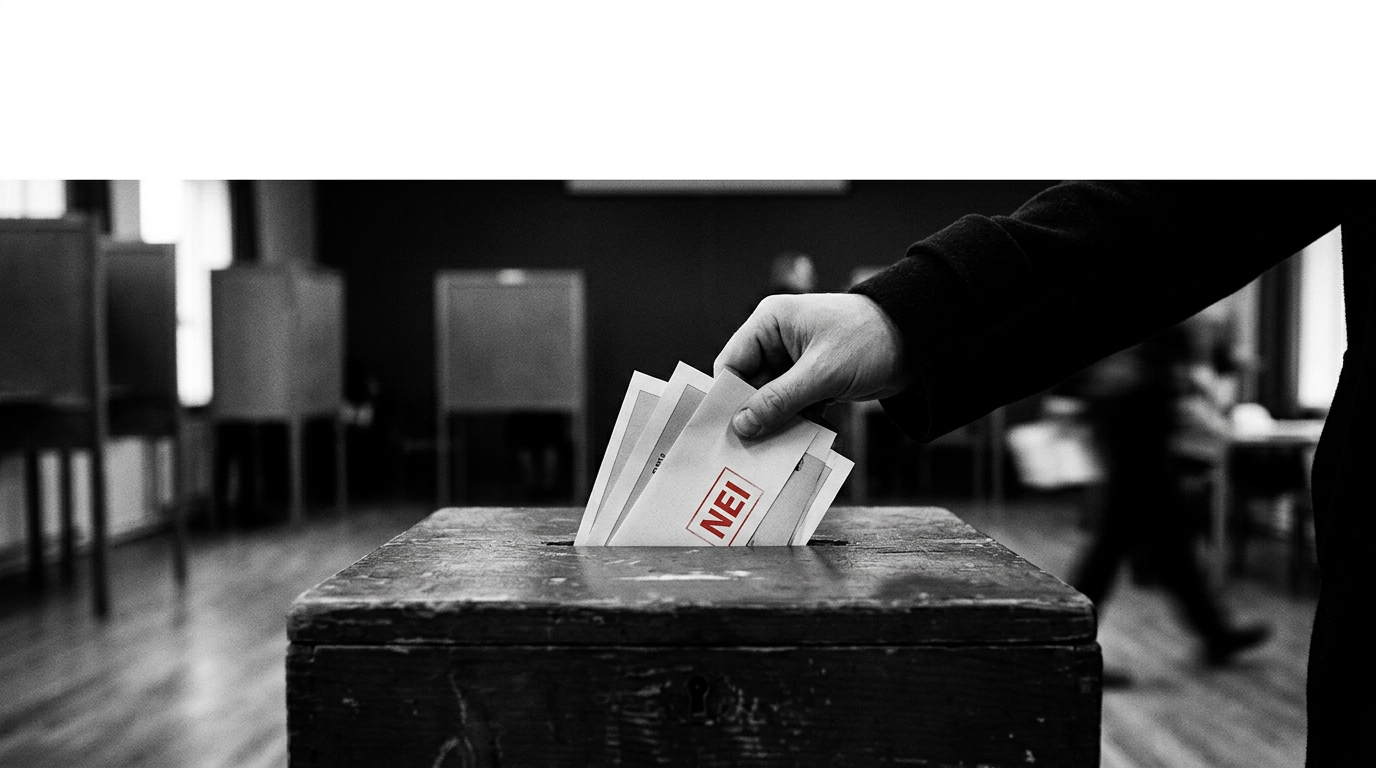
Voters in Iceland have declined a proposal to restart discussions regarding European Union membership, with nearly all ballots counted on August 30, 2026. Official reports indicated that 52.5 percent of the votes opposed the resumption of talks, while 47.5 percent supported the measure. This outcome directly contradicts the current government's stated aim for deeper integration with the European bloc.
Although the referendum was non-binding, its result presents a substantial political hurdle for Prime Minister Kristrun Frostadottir's coalition government. The administration had publicly championed renewed negotiations, viewing them as a potential avenue to address domestic economic challenges, including elevated inflation and an 8 percent central bank interest rate. Furthermore, the government sought to enhance national security amidst evolving geopolitical dynamics in the Arctic region.
Sovereignty Concerns Drive Opposition
Opponents of the measure primarily stressed the importance of safeguarding national sovereignty. They also emphasized the critical need to protect the domestic fishing industry, which remains a cornerstone of the Icelandic economy. Fears over potential EU regulations impacting fishing quotas and access to vital marine resources were central to their campaign, resonating significantly with a large segment of the electorate.
Despite the referendum's outcome, Iceland maintains its existing connections to the EU's single market. This access is facilitated through its ongoing membership in the European Economic Area (EEA) and the Schengen Area. These agreements permit the free movement of goods, services, capital, and people, ensuring that the rejection of full accession talks does not immediately alter Iceland's current economic relationship with the European Union.
Government Pledges Adherence to Vote
The Icelandic government has committed to respecting the clear result of the referendum. This pledge renders it highly improbable that any formal accession talks will commence before the conclusion of the current parliamentary term in 2028. This decision solidifies the public's prevailing sentiment regarding the nation's future relationship with the European Union for the foreseeable future.
Iceland's previous attempts to join the EU were largely influenced by economic crises, particularly following the 2008 financial collapse. However, consistent public opinion polls have historically shown limited enthusiasm for full membership. This lack of support is largely due to deep-seated concerns over national sovereignty and the crucial fishing industry. This latest vote reaffirms a long-standing national preference to maintain independence while benefiting from selective cooperation with the European Union through existing frameworks.
Historical Context of EU Relations
Iceland initially applied for EU membership in 2009 but formally withdrew its application in 2015. The nation has historically prioritized its control over fishing grounds and its independent monetary policy. Many citizens believe that full EU integration would compromise these key aspects of national autonomy. The recent vote indicates that these concerns continue to outweigh the perceived economic and security benefits of joining the bloc, even amid current economic challenges and regional strategic shifts.