IAEA to remove nuclear material from secret Syria site
IAEA plans to remove nuclear material from a secret Syrian site after an Aug. 11, 2026 deal; officials say a public timeline is due Aug. 18.
Mateo Fernandez ·
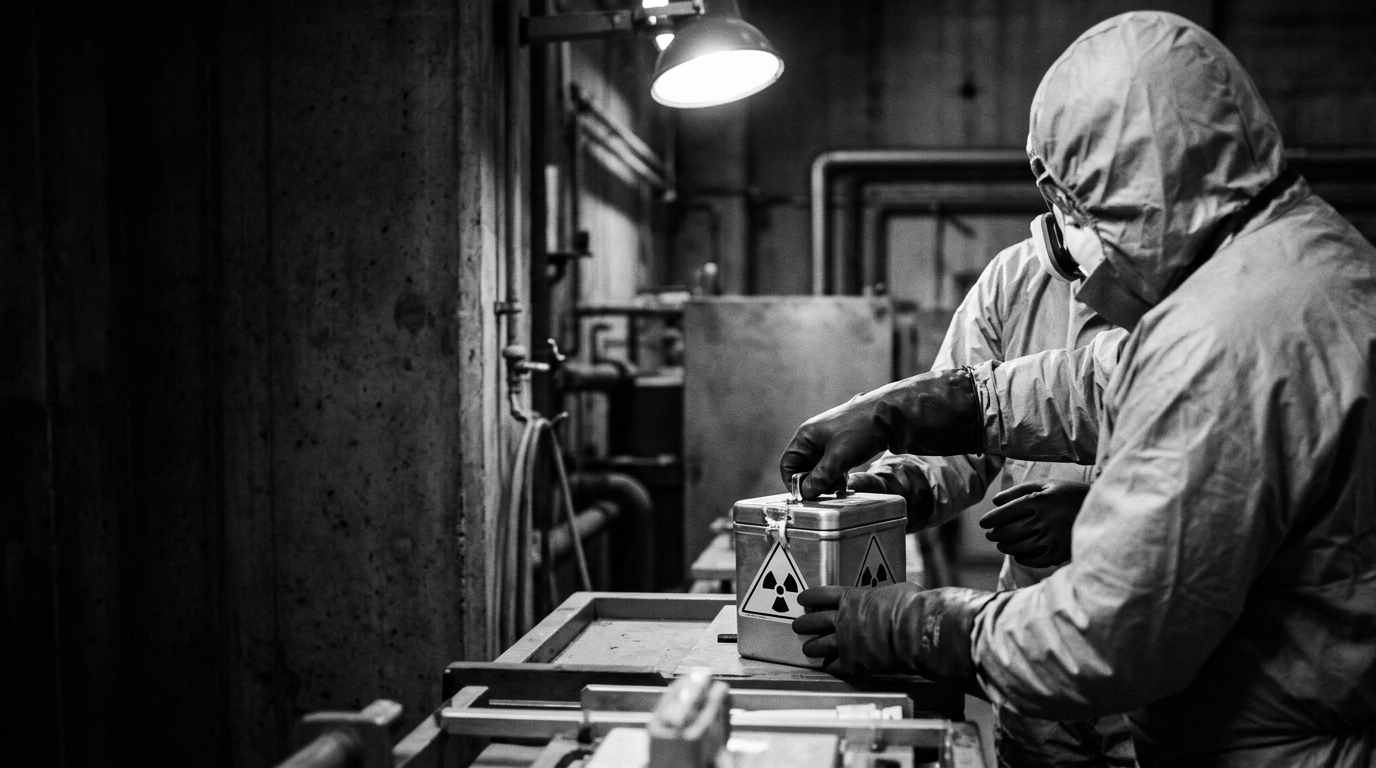
The International Atomic Energy Agency (IAEA) will remove nuclear material held at an undisclosed site in Syria, officials said on August 11, 2026, following an agreement brokered by President Trump’s administration. The initial reaction to the announcement was limited, and markets showed little immediate movement.
Officials said the material consists of remnants linked to the Syrian programme that was struck in 2007. They added that parts of the inventory include radioactive substances that could be used in a so-called “dirty bomb,” raising concerns about potential misuse if left unsecured.
Officials said the IAEA will publish a public IAEA operation: secure retrieval and transport According to officials According to officials, the IAEA will oversee the secure retrieval of the material and its transport to a safe facility. They described the effort as a technical, non-military step intended to reduce proliferation risk in the region. Agency officials did not disclose the site’s location or provide a complete inventory, citing security reasons. They said the operation will be conducted under international safeguards and in coordination with relevant authorities. Timeline still pending, with a public update due August 18 No timeline for completion was included in the initial statement. Officials said the IAEA will publish a public timetable for the removals by August 18, 2026, and will brief member states on progress after that. Officials said the announcement drew muted responses, with no notable immediate market repricing. They did not provide additional operational details beyond the commitment to safeguards and secure transport.
Risk reduction focus amid wider regional tensions
Officials described the move as aimed at lowering a proliferation risk tied to legacy material from the 2007-struck programme. They framed the effort as narrowing a discrete security concern by shifting sensitive radioactive substances to a controlled setting. Officials said analysts they contacted viewed the removal Officials said analysts they contacted viewed the removal as potentially reducing a specific regional flashpoint. Those analysts also cautioned, according to officials, that broader strategic tensions would likely persist unless the step is paired with wider confidence-building measures.
For now, key elements remain unknown in public, including the precise location, the full scope of the inventory, and how long the retrieval and transport will take. Officials said additional clarity should follow when the IAEA releases its timetable and begins formal briefings to member states.