Russia-Syria base deal reshapes Hmeimim, Tartus roles
Russia-Syria base deal shifts civilian control at Hmeimim and Tartus, sets a three-month timeline, and creates joint training centers, officials said.
Atlas Newsdesk ·
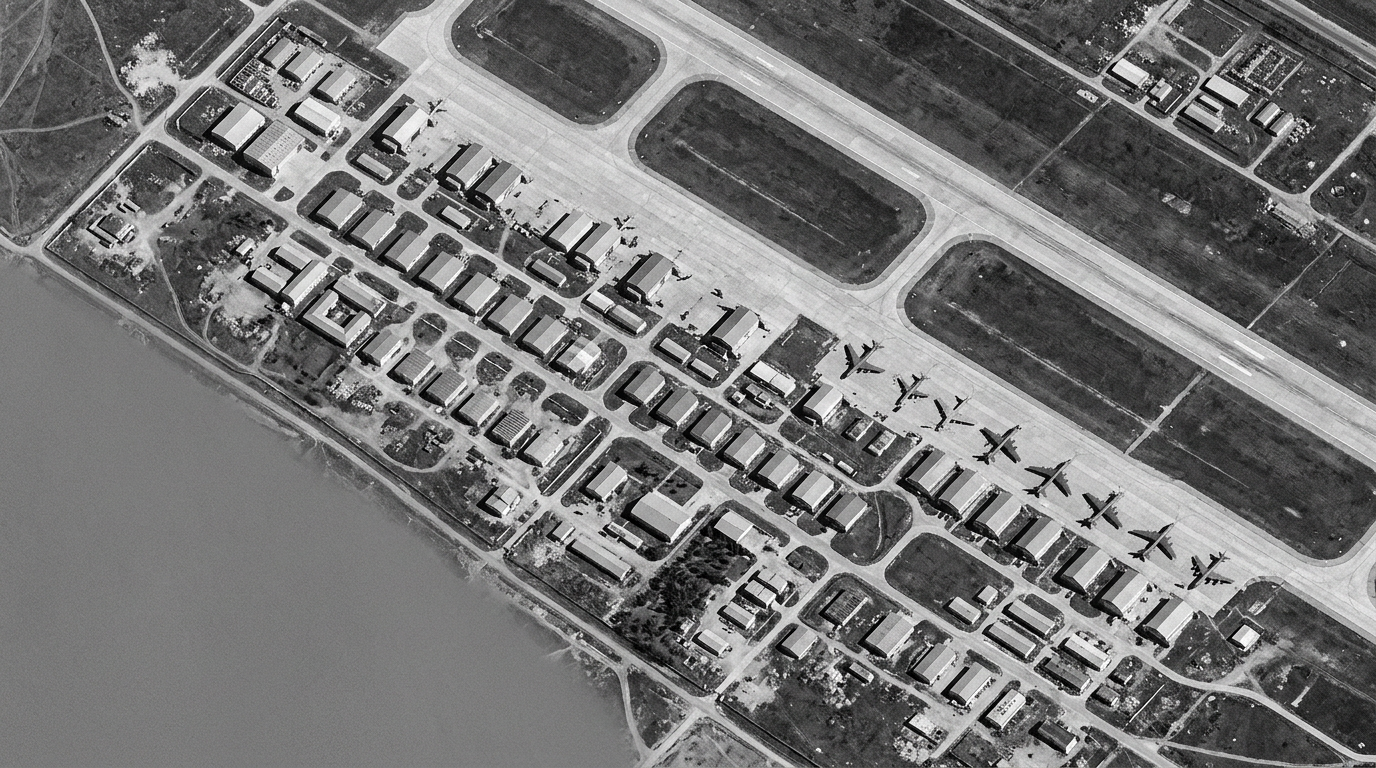
Syria and Russia have signed a memorandum of understanding to reorganize Russia’s presence at the Hmeimim airbase and the Tartus naval facility, officials announced in Damascus on Sunday. Officials said the document separates civilian management from military functions at both locations and sets a short implementation timetable.
Under the terms described by officials, Syria will take over civilian infrastructure at Hmeimim. At Tartus, Syria will assume control of the port’s commercial sector, while the remaining military areas at both sites will be reconfigured into joint Russian-Syrian training and qualification centers.
New division of responsibilities at Hmeimim and Tartus
Officials said the reorganization is scheduled to be Officials said the reorganization is scheduled to be completed within three months. They described the shift as ending the earlier arrangement in which the bases operated as exclusively Russian hubs, replacing it with a model built around joint activity alongside Syrian state administration for non-military functions. The announcement did not provide operational details beyond the stated division between civilian and military responsibilities. Officials did not outline how the handovers will be sequenced or how the joint centers will be run day to day, leaving key practical questions unresolved. Talks tied to Syria’s post-December 2024 transition Officials said the memorandum concludes 18 months of negotiations that began after the December 2024 collapse of the Bashar al-Assad regime. The agreement was presented as being signed during a period of institutional transition, as Syria’s new administration reviews external relationships and the governance of strategic infrastructure.
Officials framed the accord as part of a Officials framed the accord as part of a broader reset between Moscow and Damascus under President Ahmed al-Sharaa. As described, the approach emphasizes shifting civilian and commercial functions to Syrian control while keeping defined military areas in a joint framework focused on training and qualification.
Mutual interests cited by officials and analysts
Officials characterized the agreement as a pragmatic realignment despite Russia’s past support for the former Syrian leadership. They said the current government continues to seek access to Russian-supplied grain, energy, and technical support amid domestic economic instability.
For Moscow, officials said the memorandum preserves a strategic foothold in the Mediterranean while avoiding a full withdrawal from Syria. In the structure described, Russian involvement would remain tied to the two sites through joint training and qualification roles rather than exclusive operational control.
Analysts cited in the account said the arrangement reflects prioritization of state interests over earlier hostility. They said Damascus is also looking to Russia’s influence at the UN Security Council as part of efforts to stabilize governance, alongside existing infrastructure-linked dependencies and technical support needs.
Officials said the three-month timetable will be an early test of whether the restructuring proceeds as laid out. However, with the announcement offering limited operational specifics, uncertainties remain about how responsibilities will be transferred and how the joint centers will function in practice.