South Korea weighs Ukraine air defense request
South Korea weighs Ukraine air defense request as officials assess legal limits, domestic readiness needs, and risks of retaliation from Russia.
Atlas Newsdesk ·
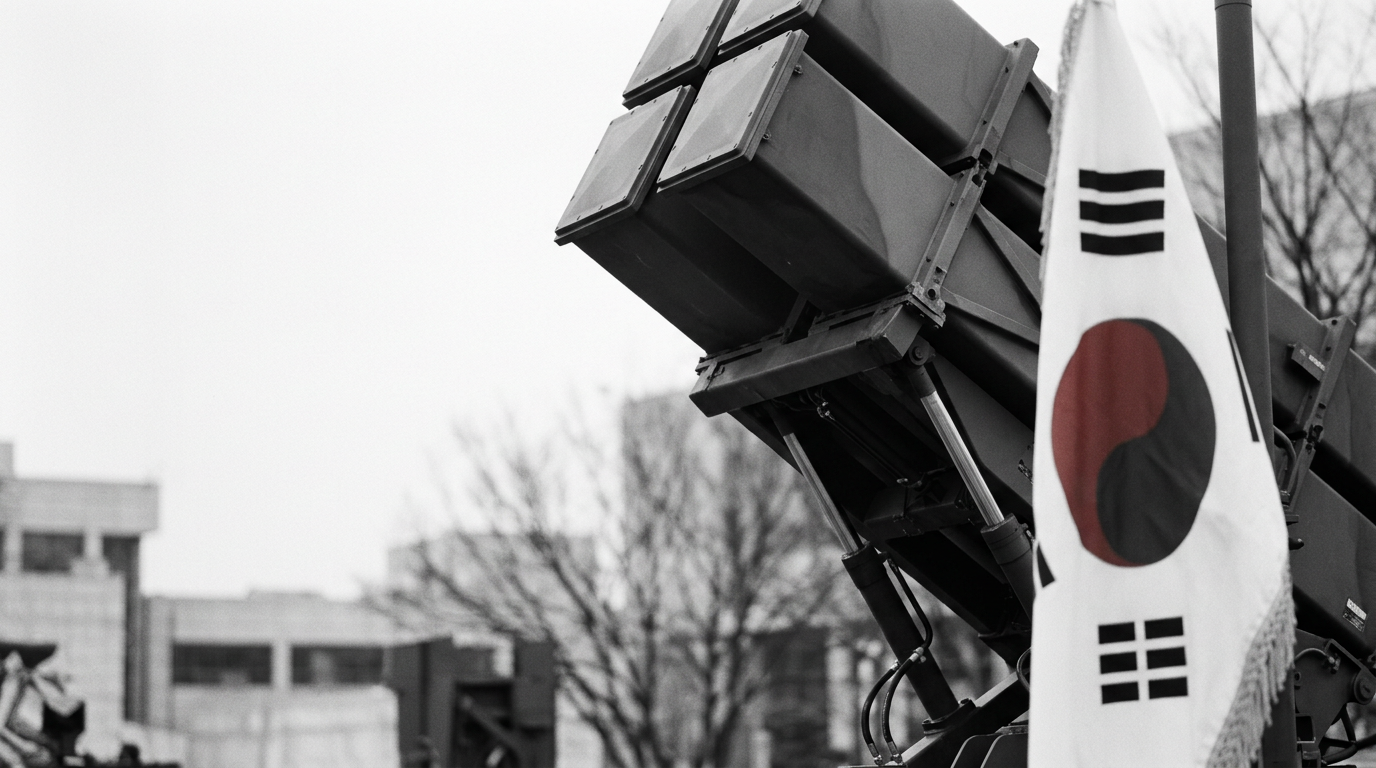
South Korea is reviewing a formal request from Ukraine for air defense systems, officials said, a step that would pressure Seoul’s legal boundaries and its long-standing approach to providing lethal military support to countries at war.
Officials face a strategic choice because domestic legal frameworks and established government practice generally prevent the transfer of lethal weapons into an active conflict zone. Any move to provide air defense capabilities would therefore require navigating rules designed to avoid South Korea becoming directly involved in overseas wars.
Legal limits and Seoul’s readiness needs
The deliberations are also being shaped by South Korea’s own defense requirements. Policymakers are weighing whether any potential assistance could reduce the country’s readiness to respond to security threats in its region.
That balance is particularly sensitive because air defense assets are typically tied to homeland and regional protection plans. Officials are therefore assessing not only whether support is legally and politically feasible, but also whether it is compatible with maintaining sufficient domestic capabilities.
Why air defense systems are a special case
In the current review, air defense is being treated differently from other forms of cooperation because it is closely linked to operational planning for domestic protection. Officials are considering how to avoid creating gaps at home if any systems, components, or related resources were transferred.
The request is also testing how far government practice can be stretched without changing the underlying policy that generally limits lethal support to combat zones.
Russia retaliation risk and the diplomatic trade-off
Another key factor is the risk of retaliation from Russia, officials said. Policymakers are weighing whether supplying air defense systems could prompt a significant backlash and damage bilateral relations with Moscow.
Officials believe the potential for escalation remains a primary risk in the policy calculus. As a result, South Korea is assessing whether the value of supporting Ukraine’s air defense needs outweighs the prospect of destabilising ties with Russia.
Reports on North Korean personnel add pressure
Ukraine has pointed to reports that 30,000 to 50,000 North Korean personnel have been deployed to Russian territory as a central argument for deeper cooperation with Seoul. Ukrainian officials are presenting those reports as evidence that the war is becoming increasingly connected to the security environment in Northeast Asia.
South Korean decision-makers also view the reported deployment as highlighting what Ukraine describes as a tightening military relationship between Moscow and Pyongyang. Officials say this dynamic complicates Seoul’s choices by linking the request to broader regional security considerations.
Drone technology offer and unresolved uncertainties
Ukraine has proposed a reciprocal arrangement involving drone technology as part of expanded cooperation. South Korean officials are considering potential gains from stronger intelligence and technology collaboration.
At the same time, policymakers are weighing whether deeper cooperation could be seen as a direct provocation toward Russia. Officials said the government’s decision remains uncertain, with the core questions centering on legal constraints, domestic defense requirements, and the level of diplomatic risk tied to any transfer of air defense systems.