Israeli Settlers Build New West Bank Outposts
Israeli settler networks are stepping up outpost building in the occupied West Bank; Peace Now counted 170 outposts by end-2020.
Atlas Newsdesk ·
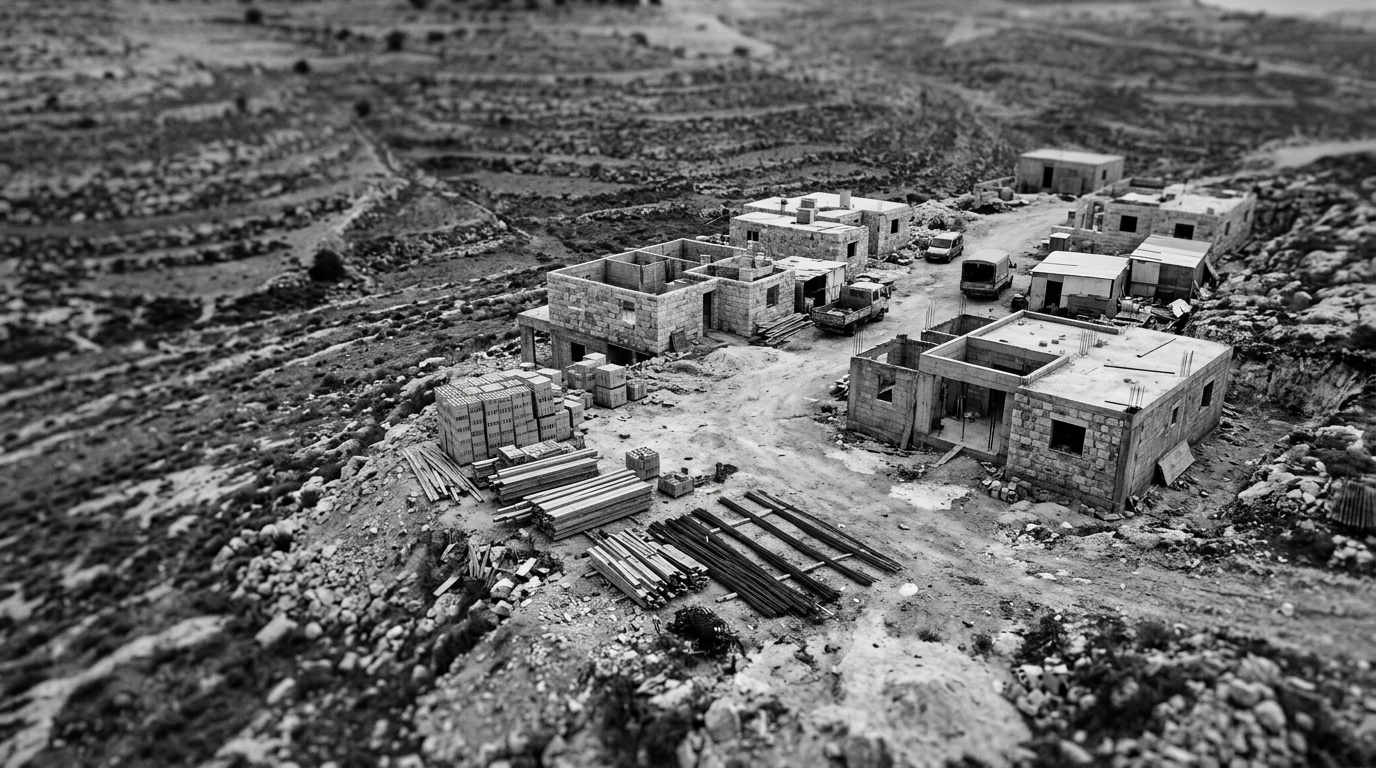
Decentralized groups of Israeli settlers are expanding unauthorized outposts across the occupied West Bank, using local networks that officials and monitoring groups say are designed to seize land and pressure Palestinian communities to leave.
The activity is linked to hard-line nationalist and religious motivations, the source material says, and is aimed at creating permanent footholds while making future political negotiations over the territory’s status harder.
Hilltop Youth and tactics tied to outpost expansion
A central driver cited is the Hilltop Youth, described as a loose network of individuals aged 15 to 20 who operate from unauthorized outposts. The network is portrayed as influential in pushing new settlement points deeper into contested areas.
According to the source material, tactics attributed to the group include damaging agricultural property, setting homes on fire, and using physical intimidation. Some of these incidents are described as “Price Tag” attacks, characterized as retaliatory actions following the removal of illegal outposts.
Support structure behind the outposts
Although the source material says these groups do not operate under a single command, it describes a wider ecosystem that helps sustain outpost growth. That support is framed as both ideological and practical, enabling continued activity even without centralized leadership.
Organizations such as Amana are cited as providing building materials and financial backing. Regional settlement councils are described as offering administrative help, adding another layer of support that can facilitate construction and day-to-day functioning at new sites.
Links to right-wing activism and religious advocacy
The source material says networks involved in outpost activity maintain connections to right-wing activists and religious leaders. Those figures are described as promoting an agenda of total control over the region, reinforcing motivations for continued expansion.
In this account, the outposts are not presented as isolated projects but as part of a broader campaign shaped by ideology and enabled by logistics. The decentralized character described also suggests that on-the-ground actions can continue through personal ties and local coordination, even when formal structures are absent.
Peace Now data and legal status remains contested
Data from the organization Peace Now is cited as tracking the scale of the outpost phenomenon. According to that data, 170 settlement outposts had been established by the end of 2020.
The source material also states that many of those outposts have received retroactive legal recognition from Israeli authorities. At the same time, the outposts referenced are described as having begun as unauthorized sites, underscoring the contested and evolving nature of their legal status and the uncertainty around how future enforcement or policy decisions could affect them.