China Missile Test Raises South Pacific Security Concerns
China's recent submarine ballistic missile test in the South Pacific Nuclear Free Zone signals increased regional power projection, challenging existing…
Lauren Collins ·
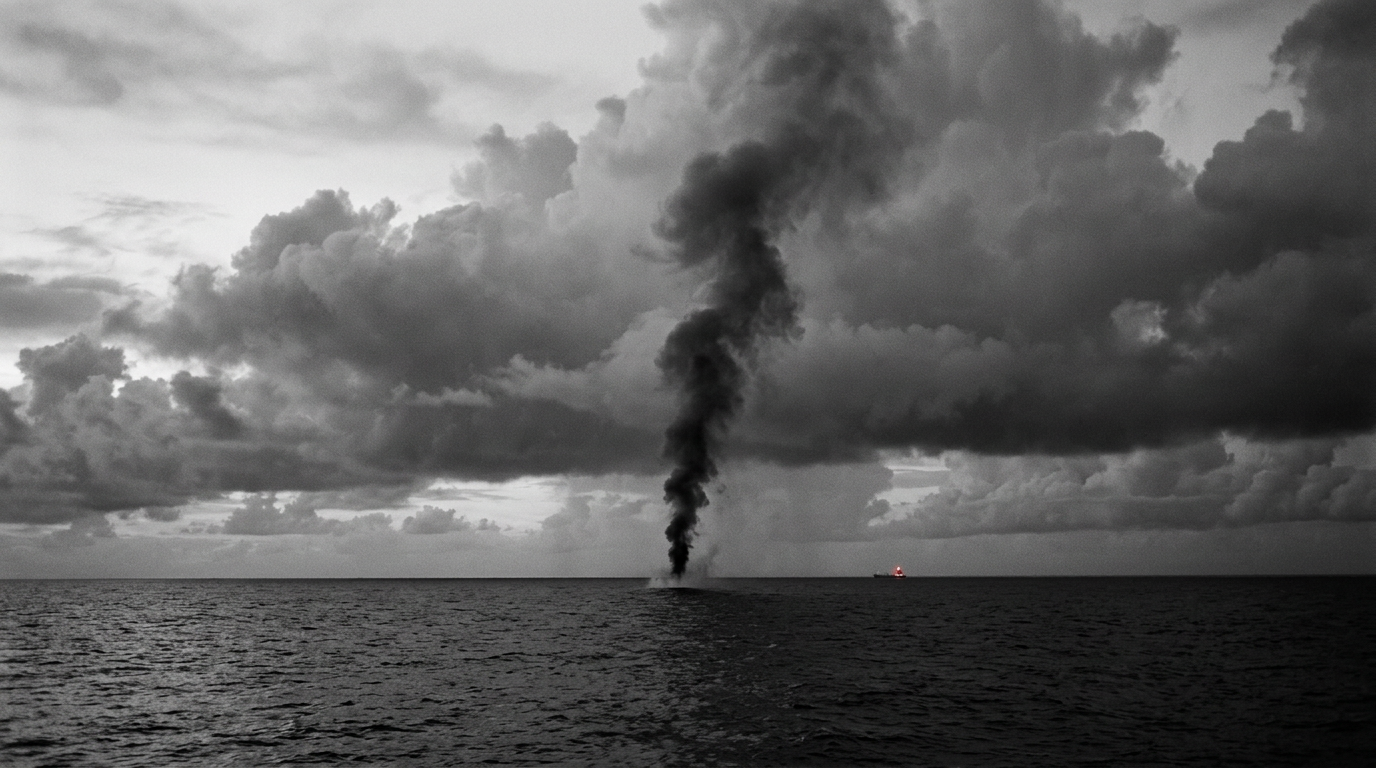
China recently conducted a submarine-launched ballistic missile (SLBM) test that entered the South Pacific Nuclear Free Zone during July. This action is seen as an escalation of Beijing's regional power projection capabilities, according to observers.
This development aligns with a broader strategic pattern, including the security agreement China forged with the Solomon Islands in 2022. That agreement sparked international concern, questioning established security frameworks and potential impacts on United States military access routes in the region.
Regional Strategic Shifts
The Pacific Islands have emerged as a critically contested area for major global powers, underscoring the need for Washington to adopt a comprehensive and sustained approach. Historically, the U.S. has maintained military access in the North Pacific through Compacts of Free Association (COFA) agreements.
However, evolving geopolitical dynamics necessitate a broader and more consistent engagement strategy across all 14 Pacific island nations. A perceived inconsistency in U.S. foreign policy, marked by shifts in development agencies and an emphasis on protectionist trade measures, has been cited as contributing to a strategic vacuum in the region.
Geopolitical Implications and Economic Alternatives
Providing stable economic and security alternatives to regional partners is considered crucial. Without a consistent and robust presence, there is an increased risk of China further integrating its military and police forces within the area. Such potential volatility could undermine the security position of the United States throughout the broader Indo-Pacific region.
These shifts also carry wider implications for global supply chains and maritime security. Various industries and critical trade routes depend on stability in the South Pacific, making consistent engagement from key global actors paramount to avoiding disruptions.
Future Outlook and Policy Needs
For several decades, the United States' engagement with the Pacific islands has been characterized by institutional neglect and a prioritization of other foreign policy objectives. Beijing's accelerating influence in the South Pacific highlights a pressing need for a well-funded, comprehensive, and consistent Pacific strategy designed to maintain regional equilibrium.
If the U.S. successfully implements a long-term strategy built on enduring partnerships and robust resource allocation, significant improvements in regional stability could be achieved. This would reinforce American security interests across the Indo-Pacific and potentially reduce risks to global supply chains, while strengthening maritime security. Conversely, continued intermittent engagement from Washington might lead to further expansion of Chinese military and police integration, posing ongoing challenges to U.S. access and exacerbating instability for companies reliant on Pacific trade pathways.