Ratko Mladić, 'Butcher of Bosnia,' Dies at 84 in Prison
Ratko Mladić, the former Bosnian Serb military commander convicted of genocide and war crimes, has died at 84, concluding a long legal process.
Atlas Newsdesk ·
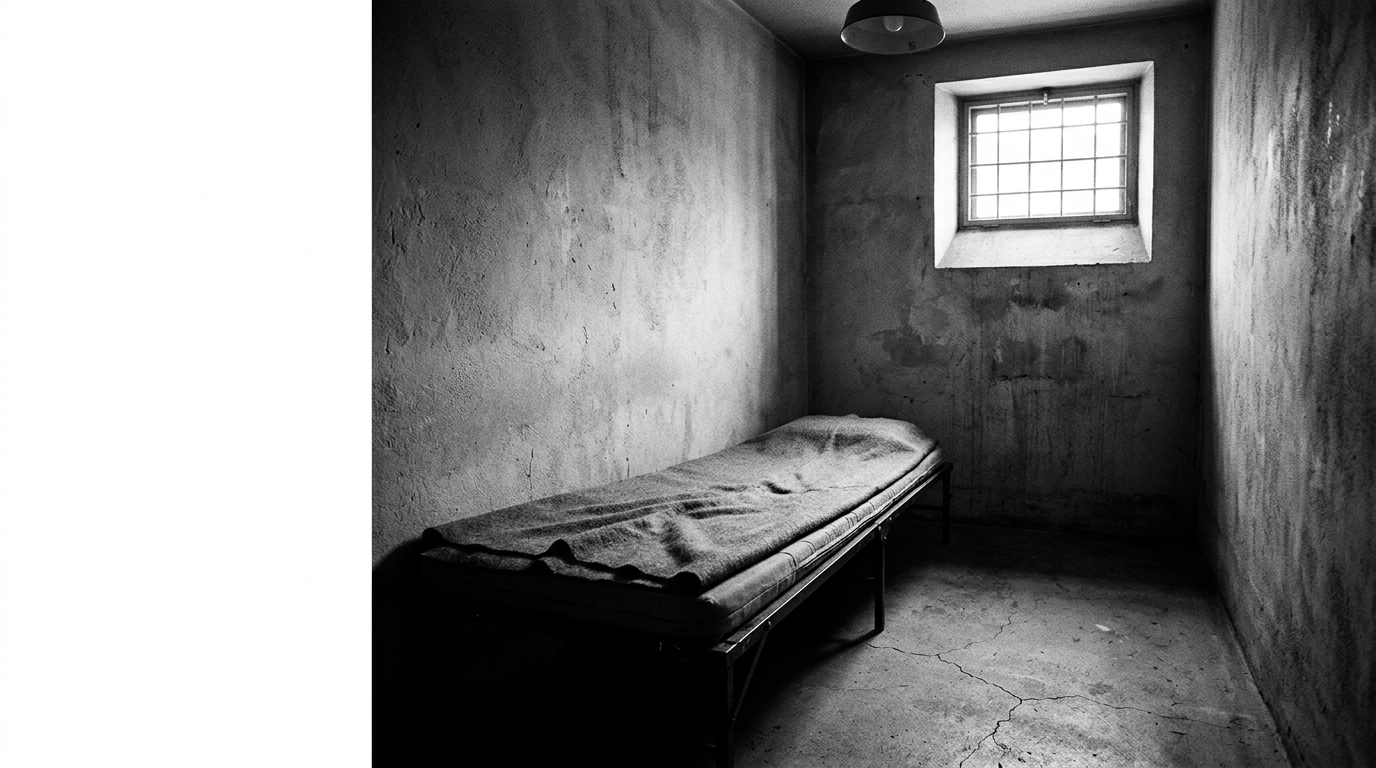
Ratko Mladić, the former military leader of Bosnian Serb forces during the 1990s Balkan conflicts, has passed away in prison at the age of 84. His death marks the culmination of a protracted legal journey that followed his conviction for genocide, crimes against humanity, and violations of the laws and customs of war. Mladić's leadership involved orchestrating military operations responsible for widespread atrocities, including the Srebrenica massacre and a systematic campaign of ethnic cleansing across Bosnia.
Forces under Mladić's command were directly implicated in the deaths of tens of thousands of civilians and the displacement of countless others, leaving an enduring mark on the region's history. His passing closes a significant chapter concerning one of the principal figures held accountable for severe war crimes committed during the breakup of Yugoslavia.
Role in Balkan Conflicts
Mladić gained notoriety as the commander of the Army of the Republika Srpska (VRS). He directed military actions that resulted in grave human rights violations, including mass killings, the forced expulsion of non-Serb populations, and the nearly four-year-long siege of Sarajevo. International investigations and observers documented that his command fostered an environment of extreme violence, primarily targeting Bosniak and Croat communities with the aim of establishing ethnically homogenous territories.
The most egregious act committed under his authority was the Srebrenica genocide in July 1995. During this horrific event, VRS troops, acting on Mladić's direct orders, systematically executed over 8,000 Bosniak men and boys. This atrocity is widely recognized as the worst mass killing in Europe since the Second World War, serving as a stark reminder of the conflict's brutality and the scale of the crimes perpetrated under his leadership.
Fugitive Status and Conviction
After the cessation of hostilities, Mladić spent years as an internationally wanted fugitive, successfully evading capture until his apprehension in 2011. He was subsequently transferred to The Hague for trial by the International Criminal Tribunal for the former Yugoslavia (ICTY). The tribunal found him guilty on multiple charges, including genocide, persecution, extermination, murder, and forcible transfer, ultimately sentencing him to life imprisonment.
The detailed legal proceedings presented extensive evidence of his direct involvement and command responsibility for the atrocities. His conviction underscores the global community's commitment to holding individuals accountable for serious breaches of international humanitarian law, even decades after the offenses occurred. Mladić's legacy continues to be a source of deep division and sorrow across the former Yugoslavia, highlighting the persistent wounds left by the conflict and the long path toward reconciliation.
International Justice and Lingering Impact
The judicial process, from Mladić's initial indictment to his final conviction, aimed to provide a measure of justice for the victims and to establish an authoritative historical record of the tragic events that unfolded under his command. His case demonstrated the international legal system's capacity to address complex war crimes, emphasizing that those responsible for such acts can eventually be held to account.
Despite the legal closure, the impact of Mladić's actions and the broader Bosnian War remains a significant factor in the political and social landscape of the Western Balkans. Debates over historical narratives, the recognition of victim suffering, and the pursuit of further justice continue to shape regional relations and domestic politics. The death of Mladić, therefore, closes one chapter of accountability but does not erase the ongoing challenges of confronting the past.