Australians Missing in Nepal Floods Amid Extensive Search
Thirty-nine Australians are missing in Nepal following flash floods that killed nearly 400, prompting a significant diplomatic and search effort.
Lauren Collins ·
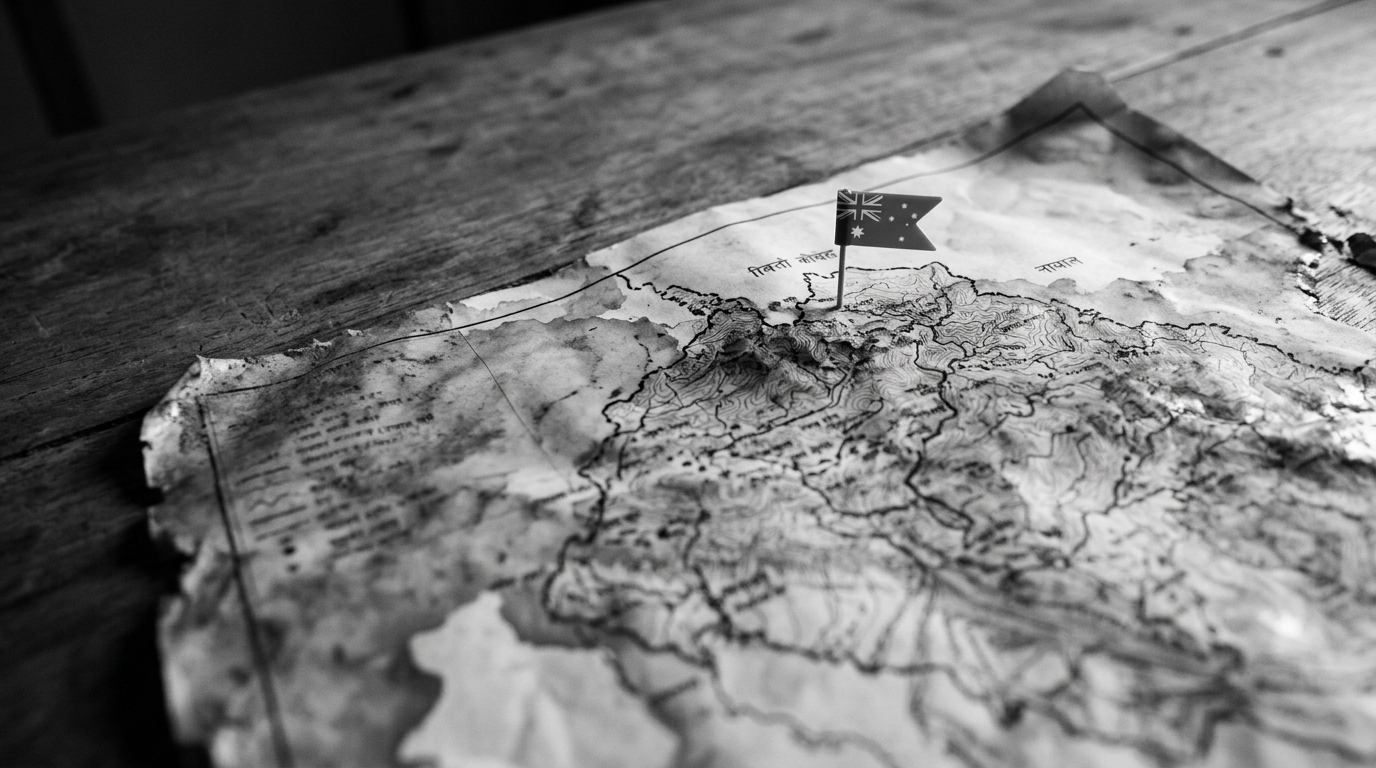
Thirty-nine Australian citizens are reported missing in Nepal following severe flash floods that have claimed almost 400 lives across the affected areas. The individuals were primarily on organized trekking pilgrimages near the Tibet-Nepal border when the disaster struck on Wednesday morning, according to official statements.
Many of the unaccounted Australians were traveling in groups towards Mount Kailash, a region now significantly impacted by the extensive flooding. This situation has prompted a substantial diplomatic response from Australia, with officials actively coordinating search and rescue operations alongside local authorities.
Diplomatic Response and Humanitarian Aid
The Australian Department of Foreign Affairs and Trade (DFAT) is collaborating closely with Nepalese authorities to determine the status of the missing individuals. Foreign Minister Penny Wong confirmed the imminent deployment of a specialized humanitarian team to the region within 48 hours. This team is intended to enhance existing consular support in an area facing significant logistical obstacles.
Local tour operators have detailed widespread damage, particularly within the Rasuwa area. This damage significantly complicates the ongoing search and rescue efforts in the remote, mountainous terrain. The extensive destruction and geographical isolation present major challenges for recovery teams, which are also contending with infrastructure damage caused by glacial-related flooding events.
Ongoing Search Amidst Challenging Conditions
Regional authorities have indicated that approximately 1,400 individuals in total remain missing from the areas affected by the floods. The search for the missing Australians, along with other unaccounted persons, continues under extremely difficult environmental conditions. The challenging terrain and widespread devastation are making progress slow and arduous for all rescue teams involved.
Efforts are concentrated on reaching isolated communities and specific locations where trekking groups were last reported. The catastrophic floods have overwhelmed local infrastructure, further impeding access for humanitarian aid and rescue personnel. This event underscores the inherent risks associated with trekking in seismically active and climatically volatile regions, even when participating in organized tours.
Nepal's Vulnerability to Natural Disasters
Australian officials continue to provide updates as new information becomes available, emphasizing the complex nature of operations in a region frequently affected by natural disasters. Nepal, situated within the Himalayan mountain range, is highly susceptible to various natural calamities, including flash floods, landslides, and earthquakes.
Its rugged topography combined with a monsoon climate contributes to frequent disaster occurrences, which are often exacerbated by glacial melt. The nation's infrastructure, particularly in its remote areas, frequently struggles to withstand the scale of such severe events, leading to profound humanitarian challenges. Past incidents have consistently highlighted the critical necessity for international cooperation in disaster response and the long-term building of resilience against future events.