UAE Quits OPEC, Reshaping Global Oil Dynamics
UAE exits OPEC earlier this month, citing regional tensions and autonomy, as Adnoc targets 5 million bpd by 2027.
Lauren Collins ·
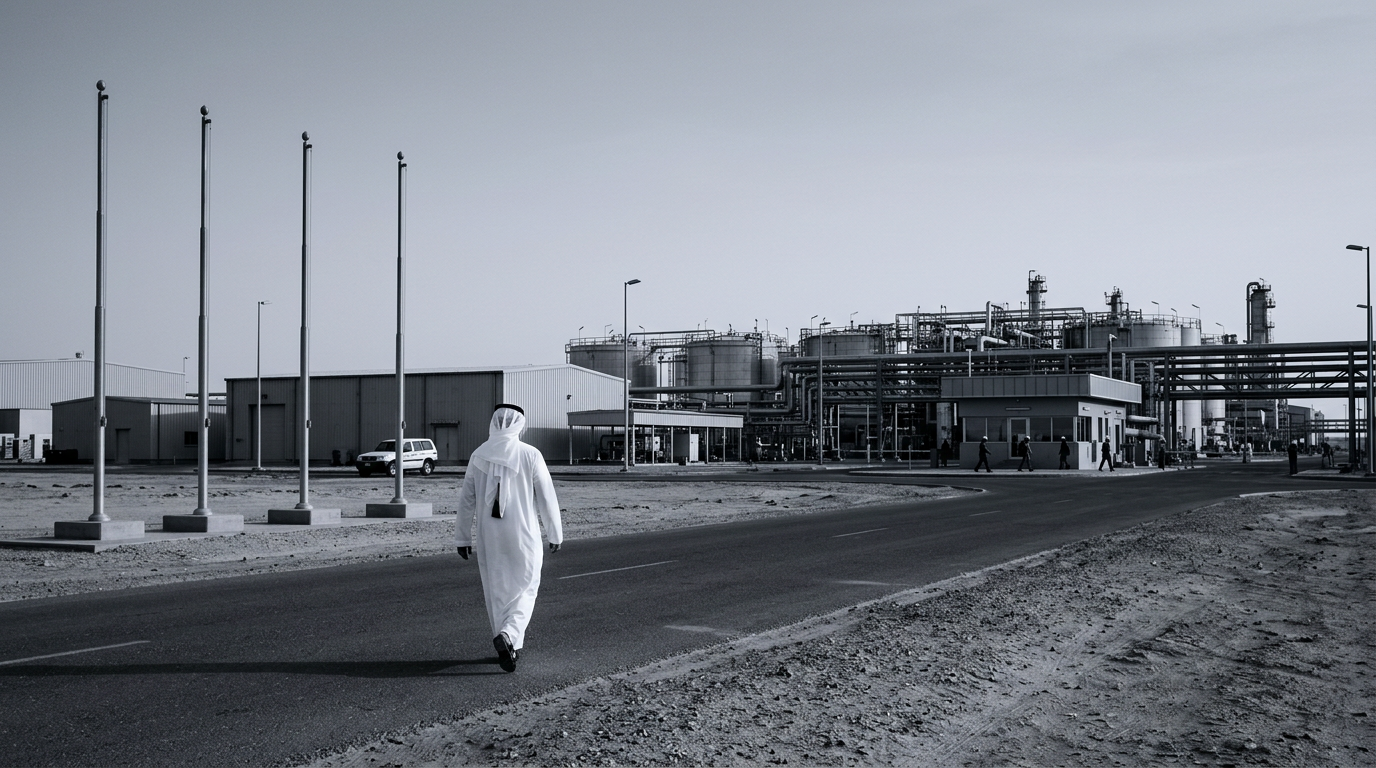
The United Arab Emirates (UAE) has formally withdrawn from the Organization of the Petroleum Exporting Countries (OPEC) earlier this month, citing rising regional tensions and a push for greater control over its oil production policy.
Officials said the move was announced without prior consultation and came as the six-member Gulf Cooperation Council (GCC) held an emergency session in Jeddah to address recent attacks by Iran on Gulf states.
Withdrawal ends a relationship dating back to 1967
The UAE joined OPEC in 1967. By leaving the group, it can set output levels independently rather than aligning with collective production decisions.
The source material links the decision to a desire to maximize profits and manage production in response to anticipated long-term supply constraints, while also reflecting the strain created by the region’s security environment.
Adnoc production plans and the March disruption
The state-run Abu Dhabi National Oil Company (Adnoc) is aiming to raise production capacity from 3.4 million barrels per day (bpd) to 5 million bpd by 2027, according to the source material.
The withdrawal follows a major disruption in March, when the Iran conflict reduced OPEC’s overall production by 7.88 million bpd. The source material says this led to a 27% drop to 20.79 million bpd.
Gulf political friction and OPEC cohesion
The source material describes growing friction within the Gulf, including between the UAE and Saudi Arabia, over how to respond in a unified way to Iran.
It also states that the UAE sustained more than 2,200 drone and missile attacks and had privately pushed for joint counterattacks against Iran. The account says that, after failing to secure collective political solidarity, the UAE chose to end economic solidarity within OPEC.
Diplomatic alignment and supply influence
The source material says the decision could weaken OPEC’s cohesion while increasing the UAE’s influence over global supply dynamics, given its ability to manage output on its own terms.
It also says the shift places the UAE closer to the United States, with potential implications for regional investment and diplomatic alignments. The source material does not specify what form those changes could take or provide a timeline.