Croatia-Bosnia gas pipeline plan targets Russian reliance
Croatia and Bosnia agreed May 31, 2024 on a 160-km gas pipeline to Sarajevo, backed by EU funds and loans, aiming to cut Russian gas reliance.
Lauren Collins ·
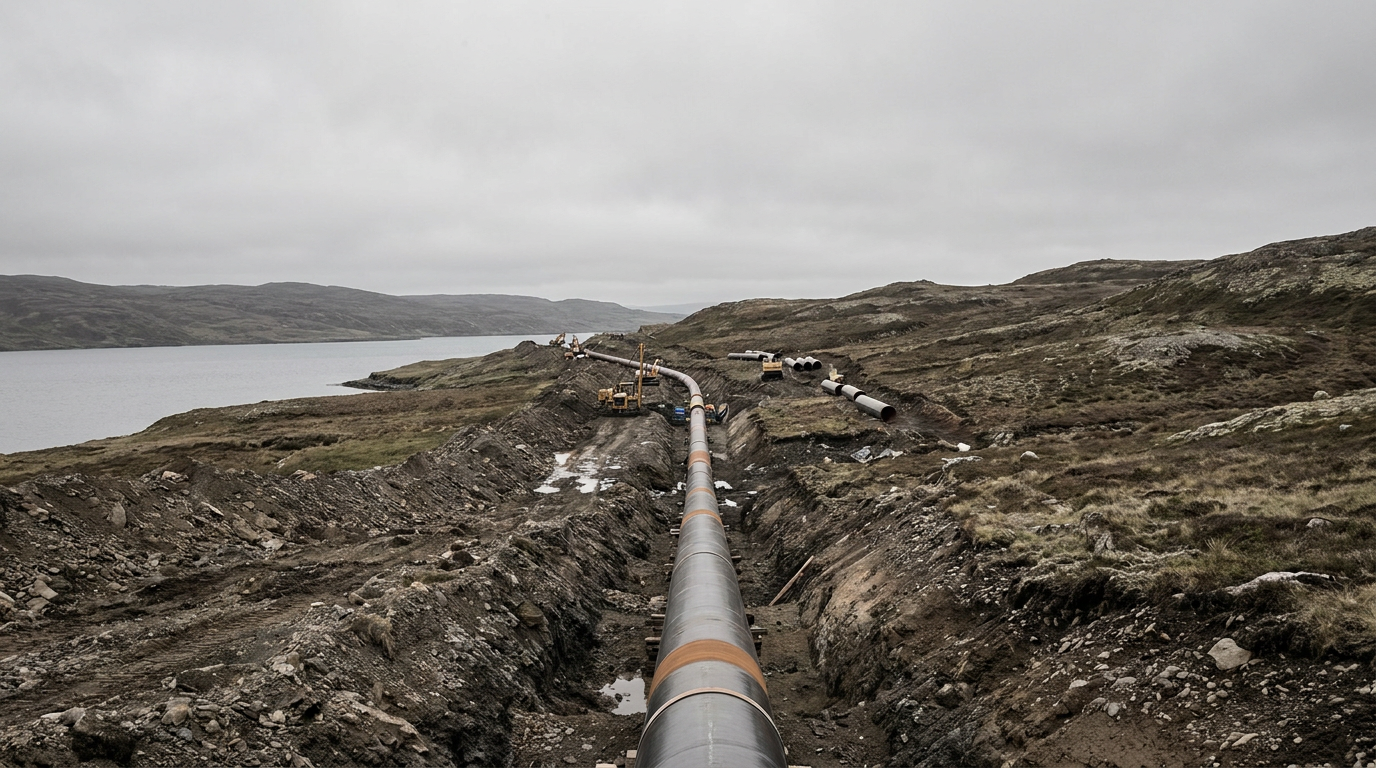
Croatia and Bosnia-Herzegovina have set out plans for a new natural gas pipeline that officials say is intended to reduce Bosnia’s dependence on Russian gas supplies.
The agreement was formalized on Friday, May 31, 2024, and centers on building a 160-kilometer (100-mile) link from the Croatian gas network at Bosanski Brod to Bosnia’s capital, Sarajevo.
160-kilometer link to Sarajevo and a 100 million euro budget
The project is estimated to cost 100 million euros ($108 million). Financing is expected to come from a mix of European Union funds and loans from international financial institutions.
Officials said the pipeline is designed to bring gas into Bosnia from Croatia, creating an additional supply route beyond Bosnia’s current reliance on Russian deliveries.
Krk LNG terminal positioned as the alternative supply source
Under the plan, the pipeline would be supplied with natural gas sourced via Croatia’s Krk liquefied natural gas (LNG) terminal. The stated goal is to provide Bosnia with an alternative to Russian gas by connecting it more directly to infrastructure already operating in Croatia.
The countries said the pipeline is projected to be operational within three years. If completed on that timeline, it would add a new corridor for gas flows into Bosnia through the Croatian network.
Target: about 80% of Bosnia’s gas needs from Krk
Officials said that once the pipeline is finished, Bosnia would be able to meet approximately 80% of its gas needs through supplies coming from the Krk LNG terminal. They said this would significantly reduce Bosnia’s dependence on Russian gas.
The announcement was framed as part of broader European efforts to diversify energy imports following geopolitical shifts. The countries described the pipeline as a strategic infrastructure step aimed at strengthening energy security.
Energy security and closer integration with Europe’s gas market
Beyond the supply change, the project is also presented as a way to integrate Bosnia more closely with the European energy market by tying Sarajevo to Croatia’s gas system and LNG-linked supply options.
Key uncertainties remain tied to execution, including the final structure of EU funding and international loans, as well as delivery against the stated three-year operational target.
For now, the two governments have outlined the route, cost estimate, and intended supply source, positioning the pipeline as a major shift in how Bosnia expects to secure natural gas in the coming years.