Middle East Conflict Rekindles EU Energy Concerns
European leaders are addressing renewed energy security concerns this week, driven by the Middle East conflict and increased reliance on U.S. LNG.
Lauren Collins ·
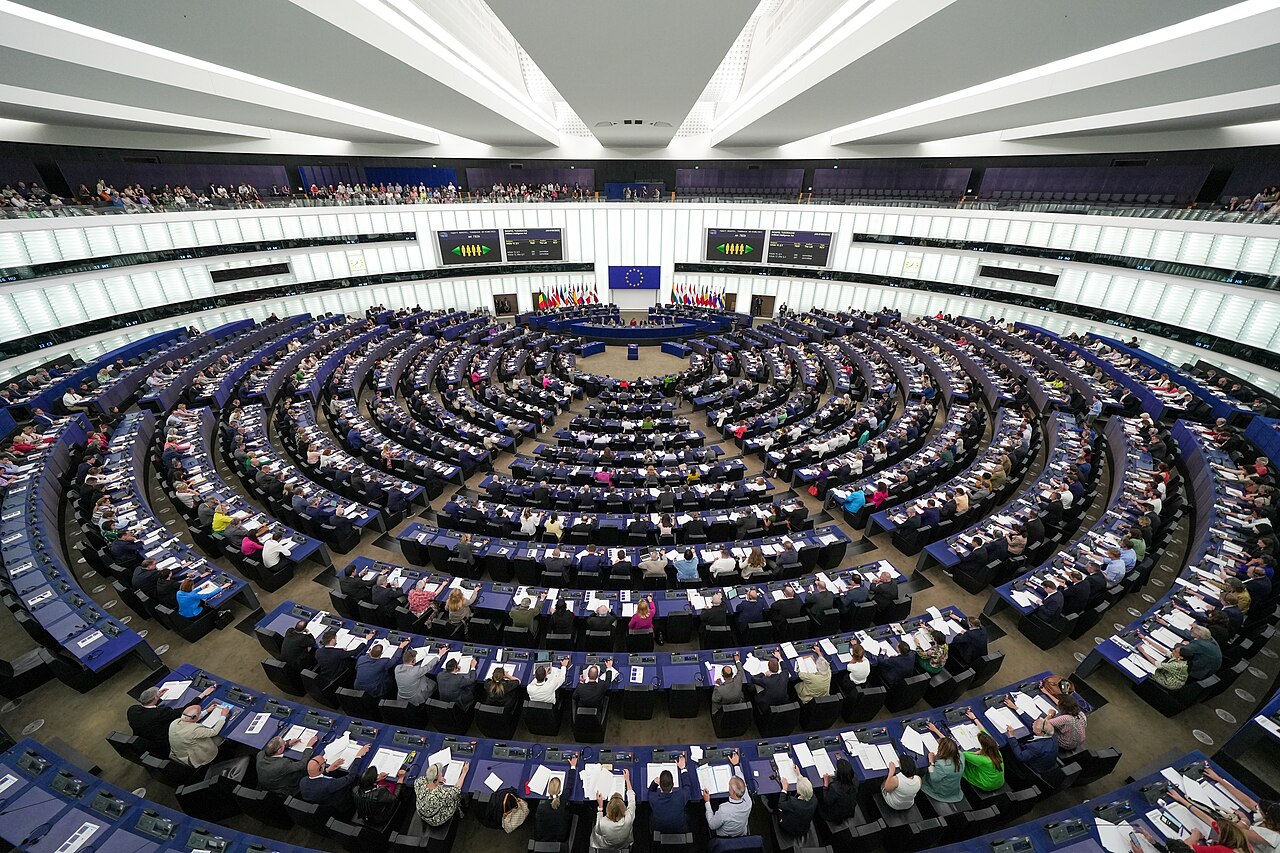
European leaders are convening in Brussels this week to address renewed energy security concerns, primarily driven by the escalating conflict in the Middle East. This development echoes the energy market volatility experienced following Russia's 2022 invasion of Ukraine, underscoring Europe's persistent vulnerability to geopolitical disruptions.
The European Union has significantly altered its energy import landscape since 2022. Prior to that, Russia supplied a substantial portion of Europe's energy needs, including approximately 55% of Germany's natural gas. Current figures indicate a drastic reduction, with Russian oil imports to the EU now standing at just 2%.
Shifting Energy Dependencies
This pivot away from Russian energy has led to a heightened reliance on alternative suppliers, particularly the United States. The U.S. now accounts for 57% of the EU's total liquefied natural gas (LNG) imports. Germany, a major European economy, receives an even higher proportion, with 96% of its LNG originating from the United States.
This shift, while diversifying away from Russia, has effectively replaced one concentrated dependency with another. Such a reliance on a single dominant supplier can expose Europe to new geopolitical pressures and potential leverage in international relations, as highlighted by past instances where energy supply has been a factor in diplomatic discussions.
Summit Focus and Strategic Imperatives
The upcoming summit provides a critical platform for European leaders to discuss immediate challenges, including potential price spikes and supply chain disruptions stemming from the Middle East conflict. Beyond short-term mitigation, the discussions are expected to focus on long-term strategic energy solutions to enhance the continent's resilience against future global instabilities.
Efforts to achieve genuine energy independence have been a cornerstone of EU policy for several years. Despite significant investments in renewable energy and diversification initiatives, the current situation demonstrates that the path to complete energy autonomy remains complex and susceptible to external geopolitical events. The ongoing conflict serves as a stark reminder of the interconnectedness of global energy markets and the need for robust, multi-faceted energy strategies.
Global Market Implications
The implications extend beyond Europe, affecting global energy markets. Any sustained disruption or perceived threat to supply routes, particularly those impacting oil and gas flows from the Middle East, can trigger price volatility in international commodity markets. This, in turn, can influence inflation rates and economic growth projections worldwide.
Policymakers across the EU are tasked with balancing immediate energy needs with long-term climate goals and the imperative of reducing overall fossil fuel consumption. The current crisis adds another layer of complexity to these efforts, emphasizing the need for a cohesive and adaptable energy policy framework that can withstand evolving geopolitical landscapes.
Implications
Country Impact: European nations face renewed pressure to secure energy supplies and manage potential price increases. The reliance on U.S. LNG creates new diplomatic considerations for individual member states and the bloc as a whole.
Industry Impact: The energy sector, particularly natural gas and oil markets, is bracing for potential volatility and supply chain adjustments. Industries dependent on stable energy prices may experience increased operational costs.
Market Impact: Global energy markets are likely to see increased price fluctuations for oil and natural gas. This could impact inflation expectations and central bank monetary policy decisions across major economies.