Houthis claim tanker strikes as US hits Iran
Yemen's Houthis claimed attacks on two Red Sea oil tankers after declaring a maritime embargo against Saudi Arabia.
Mateo Fernandez ·
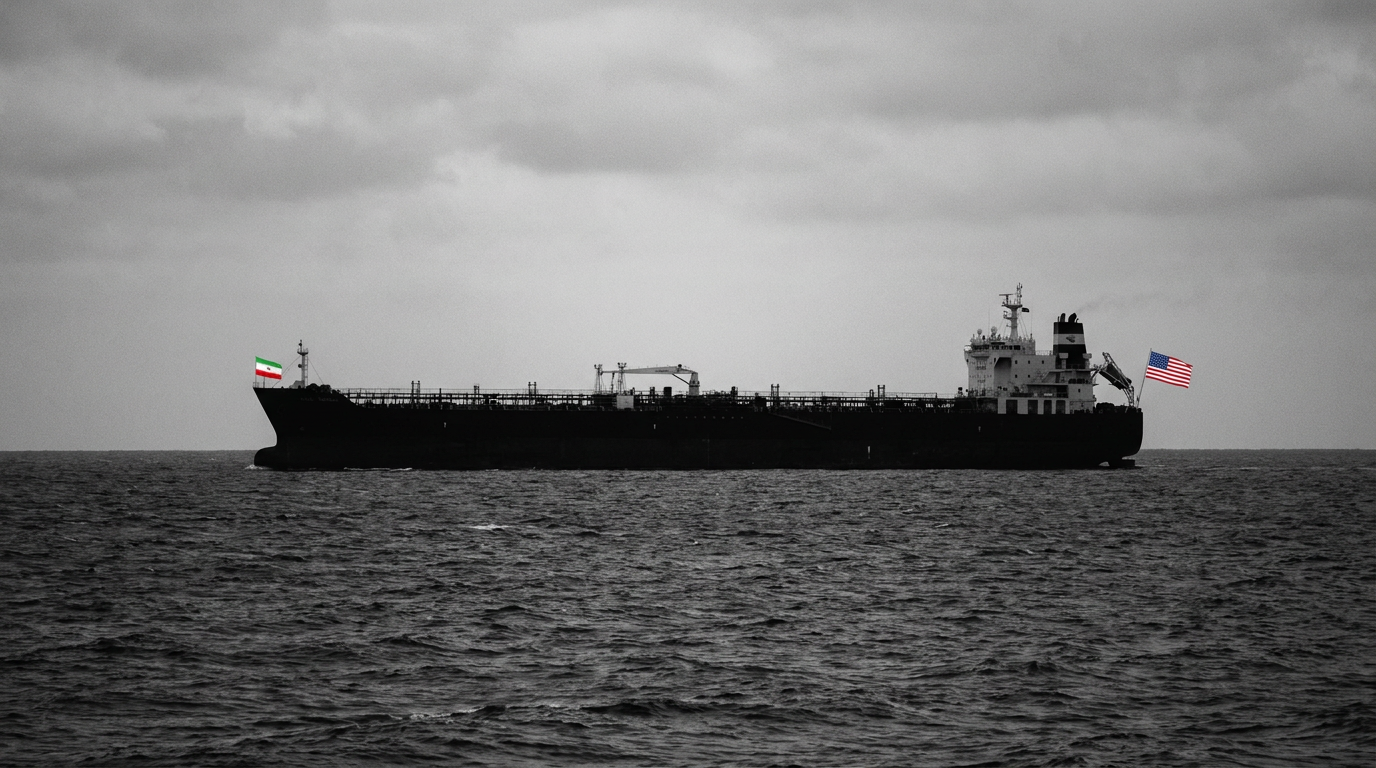
Yemen's Houthis claimed strikes on two Red Sea oil tankers on Thursday, July 23, while the US continued attacks on Iran for a 12th night. The claims put Red Sea shipping and Gulf energy flows back at the center of a widening regional conflict.
The group said earlier this week that it was imposing a maritime embargo against Saudi Arabia. Officials did not immediately provide independently verified damage details in the payload, leaving the operational effect on the tankers unclear.
Red Sea tankers face embargo threat
The Red Sea is a core route for oil, fuel and container traffic linking the Middle East, Europe and Asia. Any confirmed attack on tankers can raise war-risk costs, complicate vessel routing and pressure refiners that depend on timely crude and product deliveries.
For markets, the immediate channel is
geopolitical risk rather than confirmed supply loss.
If the tanker claims are verified and insurers reprice Red Sea
transits, shipping costs could rise and energy traders may add a risk premium to crude.
If the claims are not verified or the vessels remain
operational, the market impact may stay limited to caution around the corridor.
For the Houthis, the embargo claim signals an attempt to widen pressure beyond Israel-linked shipping and directly toward Saudi Arabia. For the wider shipping industry, the risk is route fragmentation: more vessels may avoid exposed lanes, stretching voyage times and capacity.
The next checkpoint is Friday, July 24, when operators, insurers and regional authorities are expected to assess whether any tanker damage, route diversions or new security advisories confirm a broader disruption.